


Cloudflare says a GLM-5.3 configuration and SGLang bug exposed other customers’ text in 155 responses from Aug. 27 to Sept. 9, 2026.
The Latest
Could A Cache Leak Expose Your AI Conversation?

How My Book’s Six Ideas Connect To This Month’s AI News

Thorsten Meyer connects six ideas from his new book to AI headlines on agents, corporate returns, hiring, falling costs and ownership.
Electricians And Batteries Take On New Roles In AI Data Centers

Vantage reserved transformer capacity, while a NiSource-Microsoft deal includes new generation and a 600 MW battery as data center power needs rise.
Virginia Acts On AI Cybersecurity While Washington Calls For Less Regulation

Virginia’s Oct. 23 directive calls for a statewide cyber plan and AI-company briefings as Washington pushes for a lighter, national AI framework.
Can Siri’s New Memory Make Apple’s AI Week More Notable Than Its Hinge Trouble?

Apple’s iOS 27.2 adds Siri conversation memory and five languages as the company acknowledges display problems in a small number of foldable iPhone Duo units.
Choosing A Portable SSD In 2027: 8 Options For Speed And Durability

A source-based comparison of eight portable SSD options, including reported speed, durability and capacity trade-offs—and what buyers should verify.
Anthropic’s S-1: A Guide To The Prospectus’s Less-Noticed Details

A critical reading of Anthropic’s 415-page draft S-1 highlights founder voting control, supplier-linked financing, accounting choices and disclosed AI risks.
A Guide To The 10 Best Network Attached Storage Devices For 2027

A ThorstenMeyerAI.com roundup compares 10 NAS devices by drive bays, included storage, expandability and setup tradeoffs.
A Smarter Starting Point For SMB Automation: Workflow Audits
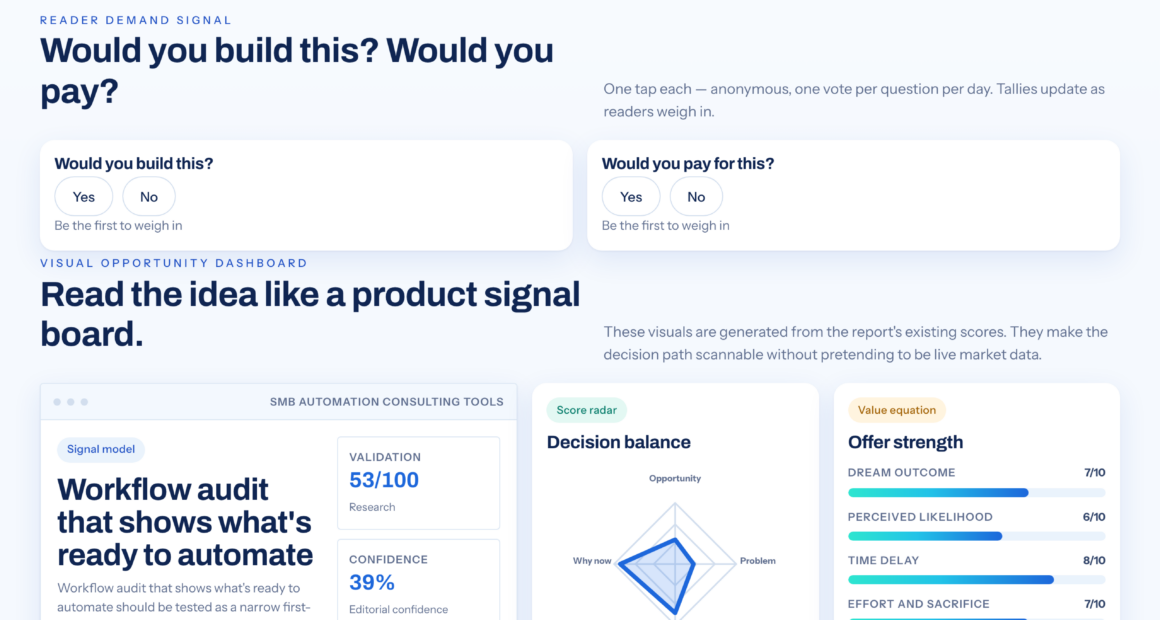
An IdeaNavigator AI proposal outlines paid workflow audits for small businesses, with a 90-day roadmap and a test of customer demand.
4 Best Inventory Management Software for Ecommerce in 2027

Compare four inventory tools for ecommerce sellers, from vendor purchasing and stock alerts to POS orders, offline operation, and platform limits.