
To write an appointment reminder email that reduces no-shows, make it clear, concise,, and personalized. Highlight key details like date, time, and location upfront, and include an easy way for recipients to confirm attendance, such as clickable buttons or simple replies. Send reminders a day or two before, and a few hours prior, to keep it top of mind. Focus on engaging, friendly language that encourages commitment — and there’s more to guarantee the message hits the mark.
Key Takeaways
- Personalize the email with the recipient’s name and specific appointment details to increase engagement.
- Include clear, prominent confirmation prompts like clickable buttons or reply options to secure commitment.
- Send reminders at optimal times—1-2 days and a few hours before—to reinforce attendance without overwhelming.
- Highlight key details (date, time, location) clearly and use a clean design for easy readability on all devices.
- Combine personalized content with interactive confirmations to foster accountability and reduce no-shows effectively.
Have you ever missed an important appointment because you forgot to send a reminder? It’s a common mistake that can lead to lost opportunities, frustrated clients, or missed deadlines. To avoid this, crafting an effective appointment reminder email is crucial. One of the key elements is implementing confirmation strategies that encourage recipients to confirm their attendance. Instead of simply sending a generic reminder, ask them to reply with a simple “Yes” or “No,” or include a clickable confirmation button. This not only clarifies their intentions but also engages them actively, reducing the chances of no-shows. Confirmation strategies make your reminders more interactive and serve as a quick way to gauge attendance, allowing you to plan accordingly.
Use confirmation buttons or replies to boost attendance and reduce no-shows.
Another essential aspect is email personalization. When you personalize your emails, you make recipients feel valued and understood. Use their name, reference the specific appointment details, and perhaps include relevant information that resonates with their interests or needs. Personalization transforms a standard reminder into a tailored message that captures attention. For example, rather than a bland, “Reminder: Your appointment is tomorrow,” try “Hi Sarah, just a quick reminder about your dental cleaning scheduled for tomorrow at 3 PM.” This level of personalization increases the likelihood that your email will be opened and read, fostering a sense of importance and urgency.
It’s also helpful to consider the timing and frequency of your reminder emails. Send the initial reminder a day or two before the appointment, giving your client enough time to prepare or reschedule if needed. Then, consider a follow-up email closer to the time—perhaps a few hours beforehand—to reinforce the appointment. Incorporate confirmation prompts within these emails to ensure your recipient is still planning to attend. Keep the tone friendly and professional, and avoid overwhelming them with too many messages, which could lead to annoyance or disengagement. Additionally, understanding how home theatre projectors impact viewing experience can help you design better visual communication strategies in your reminders.
Additionally, make sure your email is clear and concise. Highlight the key details—date, time, location—and include a call to action, like confirming attendance with a simple click or reply. Use a clean design that’s easy to scan and mobile-friendly since many people check emails on their phones. When you combine confirmation strategies with email personalization, you create a more engaging, effective reminder that encourages accountability and reduces no-shows. Ultimately, the goal is to make your clients feel valued and remind them of their commitments without seeming intrusive. This approach will help ensure your appointments are kept and your schedule stays on track.
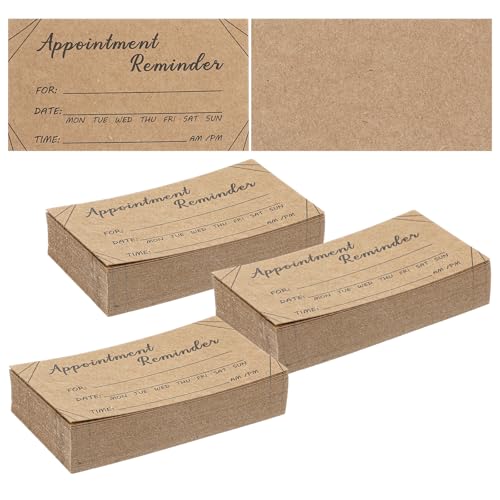
1000 Pcs Appointment Reminder Cards Bulk – Professional Referral Cards for Business with Client Profile Card Template and Contact Card Design for Salons, Offices & Service Providers
- Bulk Quantity: 1000 appointment reminder cards
- Ideal Size: 3.5 x 2 inches for wallets
- Premium Material: Durable, fade-resistant paper
As an affiliate, we earn on qualifying purchases.
As an affiliate, we earn on qualifying purchases.
Frequently Asked Questions
What Is the Ideal Timing for Sending Reminder Emails?
You should implement a timing strategy that balances urgency and convenience by scheduling reminder emails 24 to 48 hours before the appointment. This email scheduling guarantees your clients have enough notice to plan accordingly while reducing last-minute cancellations. Sending reminders too early may lead to forgetfulness, while too late might not give enough time to reschedule if needed. Consistent, well-timed emails boost attendance and cut down no-shows.
How Can I Personalize Reminder Emails Effectively?
Think of your reminder email as a handwritten note from a trusted friend. You can personalize it with a warm greeting using their name, making it feel genuine. Add customized content that relates to their appointment, like mentioning specific details or preferences. This approach shows you care, encourages engagement, and reduces no-shows. Always aim for a friendly tone, making your clients feel valued and remembered.
Should I Include Directions or Parking Info?
Yes, including parking instructions and venue details in your reminder email helps reduce no-shows. You should provide clear parking instructions, such as where to park and any fees, so your clients don’t get confused. Mention the venue details, like the address, building name, and entrance points. This way, your clients arrive on time and stress-free, making them more likely to keep their appointment.
How Do I Handle Last-Minute Appointment Changes?
When handling last-minute appointment changes, clearly communicate your cancellation policies and rescheduling procedures upfront. Encourage clients to contact you promptly if they need to reschedule, and provide easy-to-follow steps for doing so. Use your reminder email to remind them of these policies, making it simple to reschedule if necessary. This proactive approach minimizes confusion and guarantees smoother adjustments while reducing the chance of no-shows.
What Are Common Mistakes to Avoid in Reminder Emails?
You should avoid using an unprofessional tone, overly casual language, or vague details in your reminder emails. Keep your message concise, clear, and respectful of your recipient’s time. Steer clear of complex jargon or lengthy explanations that might confuse or overwhelm. Also, don’t forget to include essential details like date, time, and location, and make certain your tone remains professional to foster trust and reduce no-shows.
clickable confirmation buttons for emails
As an affiliate, we earn on qualifying purchases.
As an affiliate, we earn on qualifying purchases.
Conclusion
By crafting clear, friendly appointment reminders, you naturally reduce no-shows and build trust. When your message aligns with your clients’ routines—timing it right and keeping it simple—they’re more likely to recall and show up. It’s no coincidence that well-written reminders create a smoother schedule and happier clients. So, take a moment to personalize your messages; a little extra effort now guarantees fewer missed appointments and a more seamless experience for everyone involved.

Vintage Aluminum Sign "As Stated Below" Funny Definition Wall Decor, Humorous Workplace Office Desk Decor, 12×8 Inch, Decorative Metal Sign for Amazon Sellers Office Email Communication Reminder
- Material: High-quality waterproof aluminum
- Design Style: Retro vintage with rusted edges
- Size: 12×8 inches
As an affiliate, we earn on qualifying purchases.
As an affiliate, we earn on qualifying purchases.

6 Column 8 Ring Appointment Book for Salon Business 12.3" x 9.6" Undated Planner Pink Pu Leather Schedule Book in 15 Minute Increments with 50 Sheets A4 Refill Pages Daily Book for Scheduling Appointments
- Undated & Refillable Design: Compact 15-minute layout for efficient logging
- Complete Appointment Book Set: Includes pink PU leather binder and 50 refill pages
- 6-Column Scheduling Layout: Tracks multiple clients and appointments from 6 AM to 9 PM
As an affiliate, we earn on qualifying purchases.
As an affiliate, we earn on qualifying purchases.