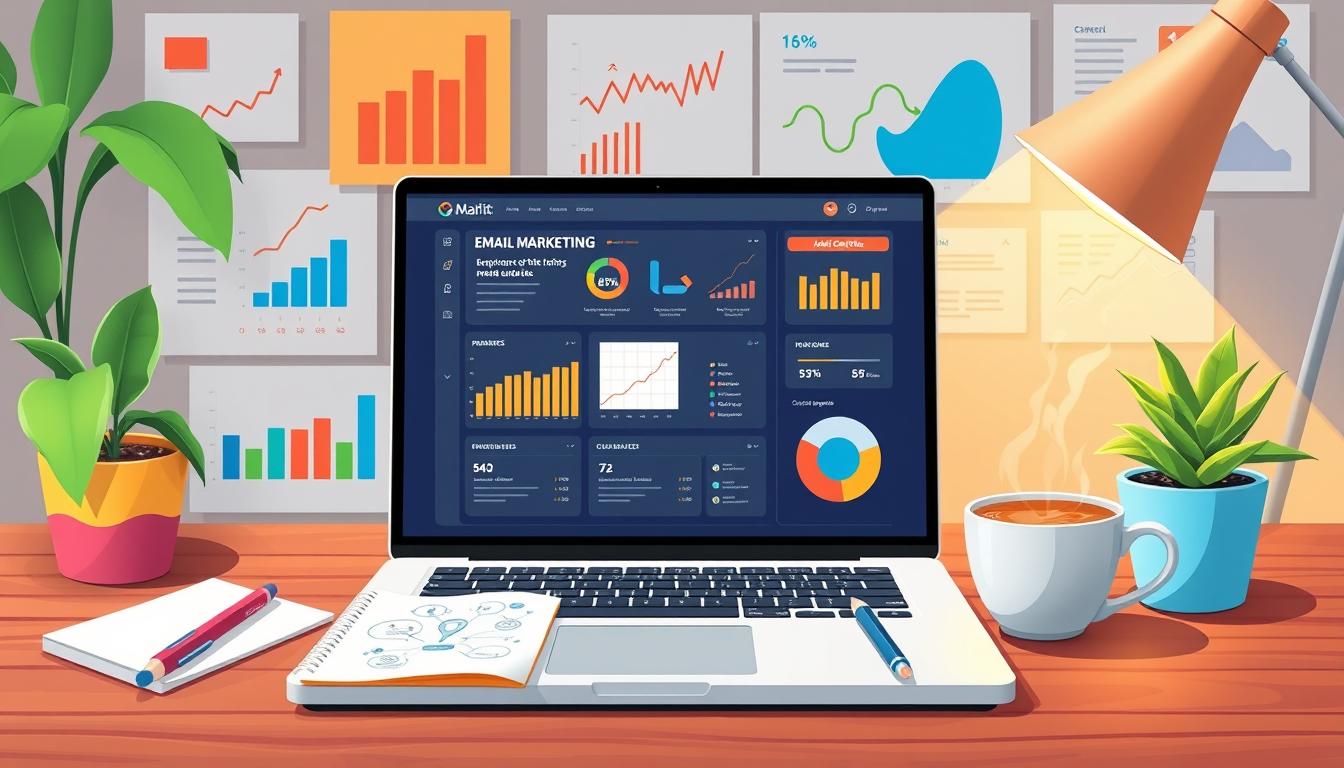

To improve attendance and follow-up, craft personalized, relevant emails that build engagement throughout your conference journey. Start early with targeted invites, then send timely reminders as the event approaches, highlighting key sessions or speakers to excite your audience. Automate follow-ups post-event with thank-yous and feedback links to keep the connection strong. When you implement these strategies, you’ll create a seamless experience that encourages participation and meaningful interactions—discover more tips to optimize your email journey.

Get business pricing on office and shipping supplies
- Business-only prices and quantity discounts
- Tax-exempt purchasing
- Multiple users, one account, clear invoices
Key Takeaways
- Personalize emails with recipient names and interests to boost relevance and engagement.
- Automate targeted sequences for timely invitations, reminders, and post-event follow-ups.
- Segment audiences based on engagement to tailor messaging and increase registration.
- Send early invitations, strategic reminders, and highlight key sessions to maximize attendance.
- Maintain ongoing communication post-event to share highlights, gather feedback, and nurture relationships.
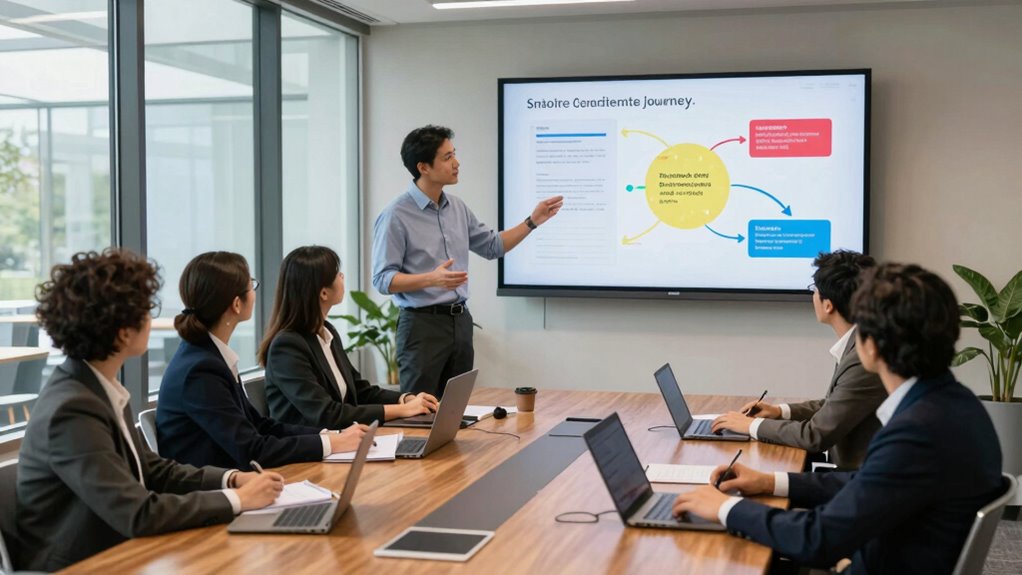
Have you ever wondered how your email communication can shape your conference experience? The truth is, well-crafted emails can significantly boost your attendance and set the stage for meaningful follow-up. To do this effectively, you need to adopt smart strategies like personalization and automation techniques. Personalization strategies allow you to tailor your messages to individual recipients, making your emails feel relevant and engaging. When you include the recipient’s name, mention their specific interests or past interactions, and reference their company or role, you demonstrate that you understand their needs. This approach increases the likelihood they’ll open your emails and respond positively. Automation techniques, on the other hand, help you send timely, targeted messages without the manual effort. By setting up automated email sequences, you can nurture potential attendees from initial interest through registration and even post-event follow-up. For example, you might send a personalized registration reminder a week before the conference, followed by a thank-you email after the event, with links to session recordings or feedback surveys. These automation techniques ensure your communication remains consistent and relevant, freeing you up to focus on other important tasks. Additionally, understanding the importance of content relevance can help you craft messages that resonate more effectively with your audience. Incorporating audience segmentation allows you to customize your messaging further and improve engagement rates. Recognizing the significance of content personalization can make your outreach more compelling and increase registration rates.
You can also leverage digital marketing tools to further optimize your email campaigns and track engagement metrics, helping you refine your approach over time. Your email journey should also be strategic in timing. Send your first invitation early enough to give recipients ample time to plan, but don’t wait so long that it gets lost in their inbox. Follow up with reminder emails as the event approaches, and consider segmenting your audience based on their engagement level. Those who haven’t opened your initial email might need a different subject line or a more compelling message. For engaged prospects, a personalized note highlighting specific sessions or speakers they might find interesting can increase their likelihood to register. After the conference, don’t let the communication stop. Use follow-up emails to share highlights, thank attendees for their participation, and provide opportunities for feedback. This not only keeps your relationship alive but also helps you gather insights to improve future events.
Ultimately, your conference email journey is about creating a seamless experience that guides recipients from awareness to registration and beyond. By combining personalization strategies with automation techniques, you make your communication more effective, engaging, and efficient. This smarter approach ensures more people attend your conference and leaves a lasting impression that encourages continued engagement long after the event ends.
conference email automation tools
As an affiliate, we earn on qualifying purchases.
As an affiliate, we earn on qualifying purchases.
Frequently Asked Questions
How Early Should I Start My Conference Email Campaign?
You should start your conference email campaign about 6 to 8 weeks prior, using a solid timing strategy to build anticipation. Segment your audience to send tailored messages that resonate better. Early outreach helps secure interest and registrations, while follow-ups closer to the event boost attendance. By planning ahead, you guarantee your audience stays engaged and informed, maximizing your conference’s success.
What Are the Best Subject Lines for Conference Emails?
You want your conference emails to stand out, so craft subject lines that are clear, engaging, and tie into your event branding. Use action words and create curiosity, like “Unlock Your Spot at the Conference” or “Don’t Miss Out on Industry Insights.” Remember, email automation helps personalize and time your messages perfectly. A compelling subject line is your foot in the door—make it count to boost attendance and engagement.
How Can I Personalize Conference Follow-Up Emails Effectively?
You can personalize conference follow-up emails effectively by incorporating personalized content that reflects your interactions and their interests. Use targeted messaging to address specific topics or sessions they attended, making the email more relevant. Mention their name and reference past conversations to show genuine engagement. This approach makes recipients feel valued, increases open rates, and encourages ongoing engagement, ultimately strengthening your networking and future collaboration opportunities.
What Metrics Should I Track to Measure Email Success?
You should track engagement metrics like open rates, click-through rates, and reply rates to gauge your email’s effectiveness. Additionally, monitor conversion rates to see how many recipients took desired actions, such as registering or attending. By analyzing these metrics, you can identify what resonates with your audience, optimize your messaging, and ultimately improve your conference attendance and follow-up success.
How Do I Handle Last-Minute Conference Registration Cancellations?
Like a tech-savvy caveman, you handle last-minute cancellations by clearly communicating your cancellation policies upfront, ensuring attendees know the refund procedures. When someone cancels, promptly update your registration list, offer alternatives like transferring their spot, and process refunds swiftly. Staying flexible and transparent reduces frustration, keeps your reputation intact, and encourages future attendance. Always have a plan, because last-minute changes are inevitable in today’s fast-paced conference world.
personalized email marketing software
As an affiliate, we earn on qualifying purchases.
As an affiliate, we earn on qualifying purchases.
Conclusion
By mastering the conference email journey, you’ll boost attendance and foster stronger follow-ups effortlessly. Remember, personalized and timely messages keep your audience engaged and enthusiastic to participate. Are you ready to transform your conference outreach into a smarter, more effective system? Implement these strategies today, and watch your event’s success grow. After all, isn’t it time you made every email count and turned attendees into loyal supporters?
audience segmentation email tools
As an affiliate, we earn on qualifying purchases.
As an affiliate, we earn on qualifying purchases.
conference follow-up email templates
As an affiliate, we earn on qualifying purchases.
As an affiliate, we earn on qualifying purchases.
Halloween Picks
halloween
As an affiliate, we earn on qualifying purchases.