
📊 Full opportunity report: The High-End PC and Workstation Tax on ThorstenMeyerAI.com — validation score, market gap, and execution plan.
TL;DR
Memory prices have skyrocketed in 2026, now rivaling GPUs in cost for high-end PCs and workstations. DIY builders face increased exposure, while prebuilt options may be more economical. The market dynamics are shifting significantly.
Memory costs have surged in 2026, with prices for high-capacity DDR5 modules doubling or tripling, significantly impacting high-end PC and workstation builds. This shift affects DIY builders most, as they are now exposed to volatile spot prices, while prebuilt systems may sometimes be more cost-effective than sourcing parts individually. The development marks a fundamental change in the PC building landscape, making component choice and procurement strategies more critical than ever.
Recent disclosures from HP indicate that memory now accounts for approximately 35% of a PC’s bill of materials, up from 15–18% in previous years. Build vs Buy a Prebuilt AI Workstation. A typical 32GB DDR5 kit now costs around $369, comparable to high-end GPUs like the RTX series, and surpassing CPU and SSD prices in many cases. This price escalation has caused premium builds that once cost $2,000 to now range between $2,800 and $4,500, largely driven by memory and storage costs.
Market structure changes have amplified these costs. Large OEMs benefit from bulk purchasing and inventory hedging, allowing them to mitigate price spikes, whereas individual buyers face spot prices that fluctuate weekly. As a result, DIY builders are more exposed to market volatility, often paying higher prices than prebuilt systems, which can sometimes be cheaper due to bulk discounts.
Workstation configurations requiring high-capacity modules, such as 96GB or 128GB DDR5 RDIMMs, are particularly affected. These modules are in short supply, as manufacturers prioritize server-grade memory, causing prices to potentially double by the end of 2026. The scarcity and demand for dense modules create a ‘workstation tax,’ raising costs for professionals relying on these components.
Additionally, memory pricing has become unpredictable, behaving like a stock market with weekly fluctuations and multiple price waves. This volatility complicates procurement decisions, prompting strategies such as staged upgrades, bundling CPU and memory purchases, and avoiding front-loaded capacity investments. Experts advise buying when prices are stable, rather than trying to reduce heat and noise in a high-power AI workstation.
The high-end PC & workstation tax
If you build your own machines or spec your team’s workstations, you’re the most exposed buyer in this market — no hedge, no bulk contract, just a parts cart and a number you used to ignore, now the biggest line on the invoice.
OEMs buy on bulk contracts and hold hedged stock; you pay the spot price on the day. The DIY builder is now the most exposed buyer in the chain — and the prebuilt is sometimes cheaper. Price it before you commit.
96GB & 128GB DDR5 RDIMMs are the scarcest, closest to the server memory makers prioritize. 64GB RDIMM could cost 2× by end-2026 vs early 2025. The parts that define a workstation are the ones squeezed hardest.
The squeeze didn’t just raise prices — it inverted the value system of high-end building. Buy big, buy early, build it yourself: each enthusiast virtue is now a way to overpay. Discipline beats ambition in 2026 — right-size hard, buy deliberately, lean on bundles, treat the prebuilt as a real price check. You can’t avoid the AI tax levied a layer up in the fabs; you can refuse to pay more of it than the job needs. Next: Cloud’s Hidden Memory Bill.
Implications for High-End PC and Workstation Builders
The rising memory costs are fundamentally altering the economics of high-end PC and workstation building in 2026. DIY enthusiasts and professionals face increased expenses and market volatility, which can negate traditional savings from building custom systems. This shift emphasizes the importance of strategic procurement, right-sizing components, and considering prebuilt options, especially for demanding workloads requiring high-capacity memory. The market dynamics also signal a potential reevaluation of long-standing building principles, with cost efficiency now requiring more deliberate planning.

Crucial 32GB DDR5 RAM Kit (2x16GB), 5600MHz (or 5200MHz or 4800MHz) Laptop Memory 262-Pin SODIMM, Compatible with Intel Core and AMD Ryzen 7000, Black – CT2K16G56C46S5
Boosts System Performance: 32GB DDR5 RAM laptop memory kit (2x16GB) that operates at 5600MHz, 5200MHz, or 4800MHz to…
As an affiliate, we earn on qualifying purchases.
As an affiliate, we earn on qualifying purchases.
Market Changes and Historical Trends in Memory Pricing
Over the past two decades, memory prices have generally declined, enabling enthusiasts to build powerful systems affordably. However, in 2026, global supply chain disruptions, increased demand from hyperscalers, and prioritization of server memory have caused prices to spike. HP’s recent report highlights that memory now constitutes a larger share of system costs, with some modules costing as much as high-end GPUs. Historically, bulk OEM purchasing buffered these fluctuations, but individual buyers now face the full brunt of market volatility, reversing a long-standing trend of declining costs.
Previous years saw a steady decline in DDR5 prices, but supply constraints and high demand have disrupted this trend. The shift towards higher-capacity modules for professional workloads has further strained supply, creating a ‘scarcity premium’ for dense memory kits. These conditions are expected to persist through 2026, influencing procurement strategies and market behavior.
“Memory’s share of system BOMs has doubled in a quarter, reflecting the rapid price escalation and supply constraints.”
— HP investor report
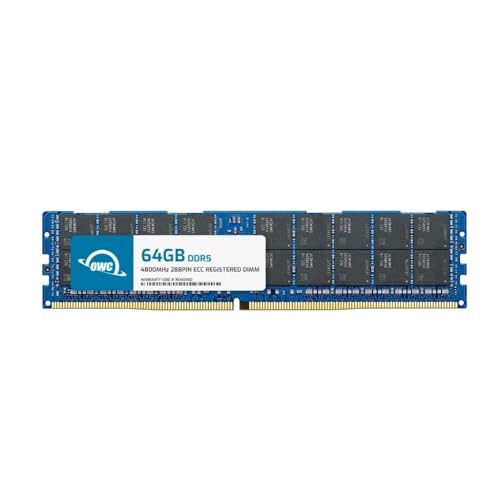
OWC 64GB Memory RAM Replacement for Kingston KSM48R40BD4TMM-64HMR
OWC 64GB DDR5 4800 PC5-38400 CL40 2Rx4 288-pin 1.1V ECC Registered DIMM Memory RAM Module Upgrade, compatible with…
As an affiliate, we earn on qualifying purchases.
As an affiliate, we earn on qualifying purchases.
Unresolved Aspects of Memory Market Volatility
While the trend of rising memory prices is clear, the duration and extent of this surge remain uncertain. It is not yet confirmed whether supply chain improvements or new memory manufacturing capacities will stabilize prices before the end of 2026. Additionally, the full impact on OEM pricing strategies and the potential for market correction are still developing. The long-term implications for the overall PC market are also unclear, especially regarding whether these costs will persist into future product cycles.

DUMOS 63 Inch Electric Standing Desk Height Adjustable, Sit to Stand Computer Workstations Large Work PC Table Home Office Writing Gaming Desks with Memory Presets for Walking Pad, Bedroom, White
Spacious 63-Inch Electric Standing Desk: Maximize your workspace with an expansive 63-inch electric standing desk. This wide, sturdy…
As an affiliate, we earn on qualifying purchases.
As an affiliate, we earn on qualifying purchases.
Expected Procurement Strategies and Market Outlook
Procurers and builders are advised to adopt staged purchasing, leverage bundles, and avoid front-loading capacity to mitigate costs. Monitoring weekly price trends and locking in prices through bulk deals or reserved quotas can help manage volatility. Industry analysts anticipate that the market will gradually stabilize as supply chain issues resolve, but significant price premiums for high-capacity modules are likely to persist through 2026. The next few quarters will reveal whether supply improvements can curb the surge or if alternative strategies, such as prebuilt systems, will become more attractive.
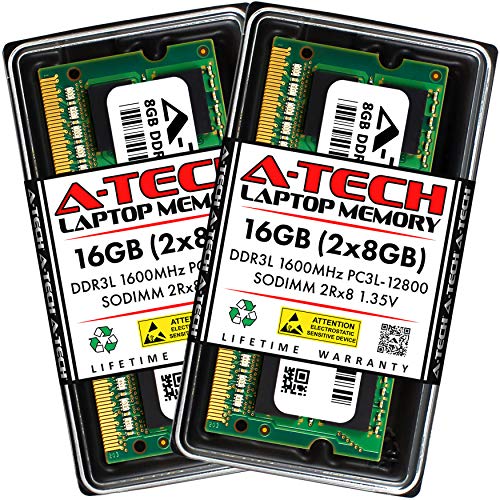
A-Tech DDR3L RAM 16GB Kit (2x8GB) 1600MHz PC3L-12800 SODIMM Laptop Memory
A-Tech 16GB RAM Kit (2 x 8GB Modules), DDR3/DDR3L SO-DIMM 204-Pin, 1600MHz PC3L-12800 (PC3L-12800S)
As an affiliate, we earn on qualifying purchases.
As an affiliate, we earn on qualifying purchases.
Key Questions
Why have memory prices increased so sharply in 2026?
Memory prices surged due to supply chain disruptions, increased demand from hyperscalers, and prioritization of server-grade modules, leading to shortages and higher costs for high-capacity DDR5 modules.
How does this affect DIY PC builders?
DIY builders now face higher and more volatile prices for memory, making it riskier and potentially more expensive to source components individually compared to prebuilt systems.
Will memory prices come down again in 2026?
It is uncertain. Market conditions could improve with supply chain stabilization, but current trends suggest high prices and volatility may persist through the year.
Should professionals consider prebuilt workstations instead of building custom ones?
Given the high costs and supply constraints for high-capacity memory modules, prebuilt workstations might offer better value or stability, especially for demanding workloads requiring dense memory configurations.
Source: ThorstenMeyerAI.com