TL;DR

Get office and shipping supplies delivered free — and shop member deals
- Fast, free delivery on millions of items
- Access to Prime Big Deal Days deals on October 6–7
- Prime Video, Amazon Music and more included
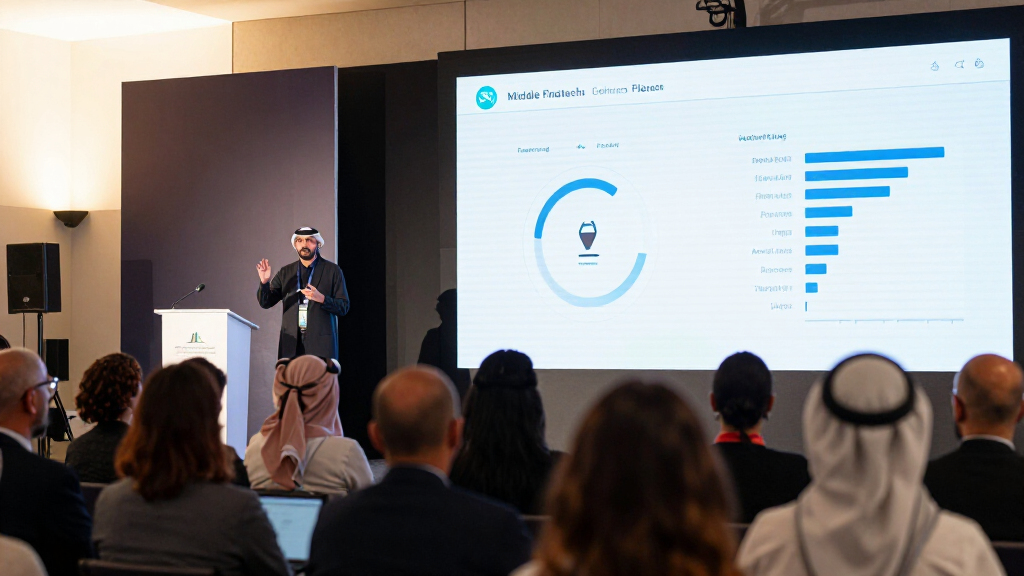
Saudi Central Bank Governor Ayman Al-Sayari used his September 15 keynote at Money20/20 Middle East in Riyadh to highlight growth in Saudi Arabia’s fintech sector and outline priorities for its next phase. He emphasized shared infrastructure, faster product launches and financial stability, while saying the Kingdom is assessing risks around stablecoins and virtual assets. The speech does not announce a new policy or give a timetable for future measures.
Saudi Central Bank Governor Ayman Al-Sayari said the Kingdom’s fintech sector continued to expand and set out priorities for supporting innovation while protecting financial stability in a keynote delivered at Money20/20 Middle East in Riyadh on September 15. He cited 371 operating fintech companies and said electronic payments made up 85% of retail payments in 2025, while describing the regulator’s work on infrastructure, product launches and digital-asset risks.
In the speech, published by the Bank for International Settlements on October 5, Al-Sayari described Saudi Arabia’s fintech ecosystem as more mature and product-rich than at the previous year’s gathering. He said the number of operating fintech companies reached 371 by the end of August 2026. Electronic payments accounted for 85% of total retail payments in 2025, according to figures he presented.
Al-Sayari also said open-banking services had advanced from the regulatory sandbox stage to commercial licensing, with more than 337,000 open-banking-connected accounts. Cumulative fintech investment exceeded SAR 30 billion by the end of the first half of 2026, he said, counting venture capital and strategic funding. The speech did not break down those investment figures by funding source or provide a comparison with the previous year.
He identified three areas of focus for the Saudi Central Bank, known as SAMA: developing accessible shared infrastructure, shortening the time needed to bring new products and services to market, and preserving a stable and inclusive financial system. Al-Sayari said SAMA supports innovative business models through regulatory pathways and supervisory tools, and added that the bank is engaging with global regulators on stablecoins and virtual assets as it assesses risks and develops safeguards.
Saudi Fintech Growth Meets Risk Controls
The figures Al-Sayari cited offer a snapshot of the scale of Saudi Arabia’s fintech ecosystem and the adoption of digital payment services. For companies operating in the Kingdom, the governor’s emphasis on shared infrastructure and faster time-to-market signals the regulatory priorities SAMA says it is pursuing. His remarks are relevant to investors and financial firms weighing opportunities in a market where licensing and supervisory rules shape how new services reach customers.
The speech also stresses that growth is not the only measure of progress for the regulator. Al-Sayari linked the expansion of new financial technology to trust, accountability and stability, particularly as artificial intelligence, real-time data and cross-border activity reshape financial services. That framing matters because it points to a policy challenge: enabling new products without weakening safeguards for the financial system or its users.
On digital assets, the governor described ongoing engagement and risk assessment, not a change in rules. His comments therefore indicate that stablecoins and virtual assets are on SAMA’s regulatory agenda, but do not establish what restrictions, permissions or safeguards may follow.
digital payment terminal for retail
As an affiliate, we earn on qualifying purchases.
As an affiliate, we earn on qualifying purchases.
From Sandbox to Commercial Licensing
Money20/20 Middle East held its second gathering in Riyadh in 2026, according to Al-Sayari’s remarks. He connected the Kingdom’s fintech development to its Vision 2030 initiatives and said the ecosystem had advanced since the event’s 2025 gathering. The address was a keynote from the head of the country’s central bank, rather than a formal announcement of new regulations.
One example of the shift he described is open banking: services that had been operating in a regulatory sandbox had moved to commercial licensing. A sandbox allows new services to be tested under regulatory oversight; commercial licensing marks a move beyond that testing stage. Al-Sayari’s account gives the number of connected accounts but does not specify the number of licensed providers or the range of services available.
The speech also places Saudi policy in a wider technology debate. Al-Sayari said advances in artificial intelligence and other technologies are enabling financial services built around AI agents, real-time data and cross-border activity. He argued that regulators and industry participants need to cooperate on frameworks that allow innovation while maintaining safeguards.
“Progress will need to be measured not solely by speed or scale, but by the trust we build and preserve in the financial system of the future.”
— Ayman Al-Sayari, Governor of the Saudi Central Bank, in his Money20/20 Middle East keynote
open banking API integration tools
As an affiliate, we earn on qualifying purchases.
As an affiliate, we earn on qualifying purchases.
Digital-Asset Rules Remain Undetailed
The keynote does not announce a new stablecoin or virtual-asset policy, provide a timetable for regulatory decisions, or specify which risks and safeguards SAMA is examining. Al-Sayari said the central bank had deepened engagement with global regulators and was assessing risks; the speech leaves the scope and outcome of that work unclear.
The growth statistics were presented by the governor, but the speech does not supply detailed methodology for the investment total, the fintech-company count or the open-banking account figure. It also does not state how these figures compare with earlier periods beyond the general description of continued growth. The BIS says the views in the speech are those of the speaker and do not necessarily reflect the institution’s views.
As an affiliate, we earn on qualifying purchases.
Watch for SAMA’s Regulatory Follow-Up
The next developments to watch are any further SAMA announcements on licensing, shared financial infrastructure, open banking and digital assets. Al-Sayari’s keynote sets out priorities and confirms that digital-asset risk work is underway, but it names no specific upcoming rule, consultation or decision date.
For fintech firms and investors, the clearest near-term signal is the central bank’s stated intent to support innovation within a framework it describes as prudent and stability-focused. Whether that approach leads to new authorizations, safeguards or changes to market access remains to be seen. The speech calls for ongoing cooperation between regulators and the financial industry but does not lay out a formal implementation schedule.
fintech regulatory compliance software
As an affiliate, we earn on qualifying purchases.
As an affiliate, we earn on qualifying purchases.
Key Questions
What was the main message of Al-Sayari’s keynote?
The Saudi Central Bank governor said fintech innovation should advance alongside financial stability, accountability and trust. He also highlighted growth in the Kingdom’s fintech sector and identified shared infrastructure, faster product launches and an inclusive financial system as priorities.
What figures did he cite about Saudi fintech?
Al-Sayari said Saudi Arabia had 371 operating fintech companies by the end of August 2026. He also cited electronic payments at 85% of retail payments in 2025, more than 337,000 open-banking-connected accounts, and cumulative fintech investment above SAR 30 billion by the end of the first half of 2026.
Did the speech announce new rules for stablecoins?
No. Al-Sayari said SAMA was engaging with global regulators, assessing risks and developing safeguards around stablecoins and virtual assets. He did not announce specific rules or a decision timetable.
What did Al-Sayari say about open banking?
He said open-banking services had moved from the regulatory sandbox phase to commercial licensing, with more than 337,000 connected accounts. The speech did not identify the number of licensed providers or describe each service available.
Source: primary
Halloween Picks
halloween
As an affiliate, we earn on qualifying purchases.