
To keep members motivated without guilt, focus on positive, supportive messages that emphasize progress rather than perfection. Personalize your content by recognizing individual goals, celebrate achievements, and offer encouragement with uplifting language. Use eye-catching subject lines, send messages at ideal times, and maintain a friendly tone that fosters trust. Regularly analyze engagement metrics to refine your approach. If you want to learn how to craft inspiring emails that maintain long-term motivation, keep exploring these strategies.
Key Takeaways
- Use positive reinforcement and emotional connection to encourage members without shame or guilt.
- Personalize messages with goals, progress, and friendly language to boost confidence and engagement.
- Incorporate science-based motivation, celebration of achievements, and vivid imagery to inspire ongoing effort.
- Send well-timed, consistent emails during key moments like holidays or birthdays to foster personal connection.
- Monitor engagement metrics to refine content, ensuring messages remain motivating, relevant, and guilt-free.
Why Guilt-Free Motivation Boosts Member Engagement

Have you ever wondered why some motivation strategies resonate better with members than others? It’s often because they focus on positive reinforcement and building an emotional connection. When you encourage members without guilt, you affirm their efforts, no matter where they start. This approach helps them associate your messages with support and understanding, rather than shame or judgment. Positive reinforcement makes members feel appreciated, fostering trust and loyalty. An emotional connection strengthens their commitment, making them more likely to stay motivated long-term. Avoiding guilt creates a safe space where members feel valued rather than criticized. By emphasizing encouragement and genuine care, you boost engagement naturally, inspiring members to pursue their wellness goals with confidence and enthusiasm. Additionally, understanding the importance of color accuracy in your communications can help ensure your messages are visually appealing and easy to interpret, further enhancing engagement.
How to Write Supportive, Motivational Fitness Emails

To motivate your members effectively, start by personalizing your messages so they feel seen and understood. Use encouraging language that boosts confidence and keeps spirits high. When you focus on these points, your emails become powerful tools to inspire ongoing fitness journeys. Incorporating scientific principles of motivation based on science can further enhance motivation without adding pressure or guilt. Additionally, emphasizing positive reinforcement can help sustain engagement and foster a supportive environment. Recognizing individual differences in motivation styles can further tailor your messages for greater impact. Understanding how environmental factors influence motivation can also help create a more inspiring and sustainable fitness culture.
Personalize Your Messaging
Personalizing your fitness emails makes your messages more supportive and motivating because it shows your audience that you understand their unique goals and challenges. When you tailor your content with specific nutrition tips, you help members make healthier choices that fit their lifestyles. Including personalized workout routines demonstrates you’ve considered their fitness levels and preferences, making exercises feel achievable. Use their names, reference past progress, or ask about their current challenges to deepen the connection. This personalization encourages engagement and builds trust, making members more likely to stay committed. When your emails reflect their individual journeys, they feel seen and supported, boosting motivation without pressure. Additionally, mentioning electric bikes or related topics can introduce an element of innovation and energy, inspiring members to incorporate dynamic, sustainable habits into their routines. Recognizing the importance of filtration and pump protection can also help members understand how proper maintenance contributes to consistent progress and results. Understanding kitchen science & materials can help members see the parallels between caring for their appliances and maintaining their fitness routines, emphasizing the value of proper upkeep. Incorporating personalized feedback based on their progress can further enhance the sense of personalized support. Moreover, exploring eco-friendly accommodations can motivate members to adopt environmentally conscious behaviors in their daily lives. Ultimately, personalized messaging helps foster a positive, encouraging environment that keeps members inspired to reach their goals.
Use Encouraging Language
Using encouraging language is essential for creating fitness emails that uplift and motivate your members. When you use positive reinforcement and empathetic language, you show genuine support, making members feel valued and understood. Paint a vivid picture with your words:
- Imagine them conquering a tough workout, feeling proud of their progress
- Visualize their confidence growing after each small victory
- Picture them overcoming obstacles with renewed determination
- Envision a sense of community and encouragement cheering them on
Personalizing Wellness Emails to Connect Better

Connecting with your audience on a deeper level requires tailoring wellness emails to their individual needs and preferences. Personalization shows you care about their goals, making your messages more relevant. Use data like their past activity to suggest customized nutrition tips and workout routines. For example:
| Member Goal | Recommended Nutrition Tips | Suggested Workout Routines |
|---|---|---|
| Weight loss | Hydration reminders, meal prep ideas | Cardio-focused sessions |
| Muscle gain | Protein intake advice | Strength training plans |
| Flexibility | Stretching techniques | Yoga sequences |
| Endurance | Carbohydrate timing | Interval training |
| Stress relief | Mindful eating | Gentle stretches |
This approach boosts engagement, keeps motivation high, and fosters trust by showing you understand their unique journey. Additionally, incorporating behavioral science principles can enhance the effectiveness of your personalized messages, making them more impactful and memorable. Moreover, emphasizing water-based activities can be especially motivating for members seeking low-impact exercise options that support recovery and overall wellness. Recognizing individual differences helps to tailor your communication even further, ensuring each member feels understood and supported, especially when considering specialized equipment like beverage or fridge options that align with their health and lifestyle goals.
Tips for Crafting Catchy, Inspiring Subject Lines

Crafting compelling subject lines is the first step to ensuring your wellness emails get opened and read. To make your subject lines stand out, use creative wordplay that sparks curiosity and invites engagement. Incorporate visual appeal by choosing vibrant, action-oriented words that paint a mental picture. Think about:
- Puns or clever twists on common phrases
- Questions that spark curiosity
- Numbers or lists for quick clarity
- Emojis that add personality without clutter
These strategies make your subject lines inviting and memorable. Remember, a catchy phrase with visual appeal can turn a simple email into an irresistible message that motivates members to open and engage. Keep it fresh, fun, and aligned with your wellness goals.
When and How Often to Send Motivational Emails

Ever wonder how often you should send motivational emails to keep your audience engaged without overwhelming them? The key is finding the right balance in email frequency and ideal timing. Sending too many can lead to email fatigue, while too few might reduce motivation. Aim for 1-2 emails per week, adjusting based on engagement. Consider these guidelines:
| Frequency | Best Timing | Purpose |
|---|---|---|
| Weekly | Midweek | Reinforce motivation and maintain momentum |
| Bi-weekly | Monday mornings | Start the week with inspiration |
| Monthly | First of the month | Set new goals and refresh commitment |
| Special Occasion | Holidays, member birthdays | Personalize and boost engagement |
Sticking to a consistent timing helps build anticipation and trust. Regularly reviewing your content structure helps ensure your messages are clear and well-organized, maximizing their impact. Incorporating audience feedback can also refine your approach and improve engagement. Additionally, monitoring email analytics can provide valuable insights to optimize your sending schedule and content for better results. Paying attention to engagement metrics allows you to tailor your approach and increase overall effectiveness. Adjust based on your audience’s response for prime results.
How to Track Engagement and Improve Your Email Strategy
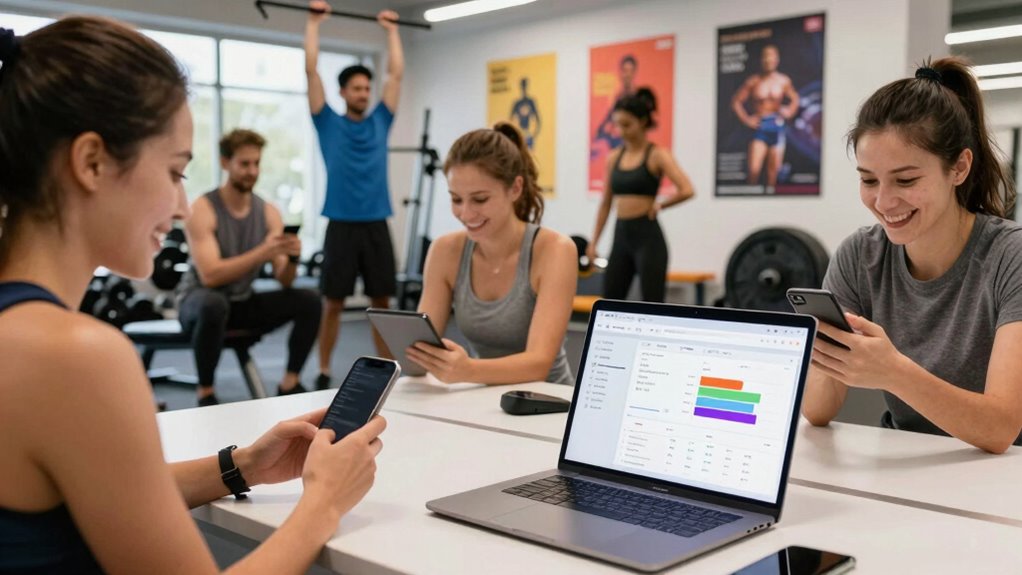
How can you guarantee your email efforts truly resonate with your audience? The key is tracking email analytics and engagement metrics. First, review open rates to see if your subject lines grab attention. Then, analyze click-through rates to understand which content motivates action. Keep an eye on bounce rates to identify deliverability issues. Finally, evaluate conversions to measure success in motivating members. Visualize your email metrics like this:
- Open rates revealing curiosity
- Clicks indicating interest in specific programs
- Bounce rates exposing delivery problems
- Conversions tracking motivation to act
Additionally, understanding the underlying psychological tactics involved can help you craft more compelling messages. Incorporating behavioral insights based on how members respond to different stimuli can further enhance engagement and foster a positive, guilt-free motivation. Monitoring these engagement metrics over time allows you to identify patterns and adjust your strategy for better results.
Frequently Asked Questions
How Can I Prevent My Emails From Feeling Repetitive or Boring?
To prevent your emails from feeling repetitive or boring, incorporate variety in content by mixing tips, success stories, and motivational quotes. Use personalization strategies to tailor messages to each member’s goals, preferences, and progress. This approach keeps your emails fresh and engaging, encouraging members to stay motivated without feeling overwhelmed or disengaged. Regularly update your content and listen to member feedback to keep the communication relevant and inspiring.
What Are Some Common Mistakes to Avoid in Motivational Wellness Emails?
You should avoid overgeneralizing messages and ignoring individual progress in your motivational wellness emails. Don’t assume everyone’s goals or struggles are the same, as this can make your messages feel impersonal or unrelatable. Instead, personalize your content, recognize individual achievements, and offer tailored encouragement. This approach shows you genuinely care, keeps members engaged, and helps prevent your emails from feeling repetitive or ineffective.
How Do I Handle Disengaged Members Who Ignore Motivational Messages?
To handle disengaged members ignoring your messages, try personalization strategies by addressing their specific goals or challenges. Offer engagement incentives like discounts, rewards, or exclusive content to spark their interest. Keep your tone positive and supportive, avoiding guilt-tripping. Reach out with personalized check-ins or alternative content that resonates with their preferences. This approach shows you care, encouraging them to re-engage without feeling pressured.
Are There Specific Times or Days Best for Sending Motivational Fitness Emails?
You should send motivational fitness emails on the best email timing, typically mid-week mornings or Sunday evenings, when members plan their week. These are the prime send days because they catch members when they’re most receptive and planning their routines. Avoid weekends or late nights, which often clash with personal time. By choosing these ideal times, you increase engagement and inspire members to stay committed without feeling overwhelmed.
How Can I Incorporate Member Success Stories Effectively?
You can incorporate member success stories effectively by sharing authentic member testimonials that highlight their achievements. Use success celebration emails to showcase these stories, making members feel inspired and part of a supportive community. Include photos or quotes to add authenticity. When members see real progress, it motivates others to stay committed. Always ask for permission, and keep stories relatable to foster genuine connection and encouragement.
Conclusion
By focusing on guilt-free, supportive messages, you’ll boost member motivation and engagement. For example, a gym increased attendance by 20% after switching to encouraging, personalized emails rather than guilt-inducing reminders. Remember, connecting on a personal level and celebrating small wins keeps members inspired without pressure. Keep experimenting with your messaging and timing to find what truly resonates. Ultimately, fostering a positive, motivating environment helps members stay committed and thrive.