

To nurture long B2B sales cycles in manufacturing, focus on targeted email marketing that builds trust and keeps your brand top of mind. Segment your prospects, personalize content, and send timely, relevant messages without overwhelming them. Use engagement data to refine your approach continuously, ensuring your campaigns stay effective. Implementing these strategies helps guide prospects through complex decisions smoothly. Keep exploring these tactics to master the art of manufacturing email marketing.
Key Takeaways
- Develop targeted, segmented prospect lists enriched with decision-maker data to ensure relevant outreach throughout the sales cycle.
- Personalize emails using dynamic content, recipient name, and specific interests to increase engagement and foster trust.
- Maintain a consistent, well-timed email schedule aligned with audience behavior to stay top of mind without causing fatigue.
- Utilize insights from open and click-through rates to refine messaging, timing, and content for improved campaign performance.
- Incorporate technological relevance and innovative insights, such as connected appliances, to demonstrate industry leadership and relevance.
Why Email Marketing Is Key to Nurturing Long B2B Sales Cycles in Manufacturing

Long B2B sales cycles in manufacturing can span months or even years, making consistent communication essential. Email marketing helps you stay top of mind, supporting lead generation and nurturing relationships over time. By delivering targeted content, you increase brand awareness and demonstrate your expertise, which builds trust with potential clients. Regular emails keep prospects engaged and informed about your products and solutions, guiding them through the complex decision-making process. Unlike other channels, email offers a direct, personal touch that fosters ongoing dialogue. This sustained engagement is indispensable in long sales cycles, helping you move leads closer to conversion. Additionally, integrating cybersecurity measures into your email campaigns ensures the safety of your communications and builds trust with your audience. Implementing personalization techniques can further enhance engagement by delivering relevant content tailored to each prospect’s needs. Leveraging data-driven insights allows for more precise targeting and improves campaign effectiveness. Staying informed about regulatory changes affecting digital communications can help you adapt your strategies proactively. Ultimately, email marketing becomes a critical tool for maintaining momentum, strengthening brand presence, and turning prospects into loyal customers.
How to Build a Targeted Prospect List for Manufacturing Email Campaigns

Building a targeted prospect list is the foundation of successful manufacturing email campaigns. Start with segmentation strategies to categorize your prospects based on industry, company size, or buying stage. This allows you to tailor your messaging effectively. Next, leverage data enrichment to enhance your existing contact information, adding details like recent company activity or decision-maker roles. This process helps you identify high-potential leads and avoid wasting resources on irrelevant contacts. Use reliable sources such as industry directories, LinkedIn, and CRM data to gather accurate information. Regularly updating and refining your list ensures your campaigns reach the right audience. A well-segmented, enriched prospect list boosts engagement, increases conversion rates, and supports long-term nurturing in complex B2B sales cycles. Incorporating targeted content strategies can further optimize your outreach and build stronger relationships with prospects.
What Personalization Tactics Boost Trust and Engagement in Manufacturing Emails

Personalization plays a crucial role in boosting trust and engagement in manufacturing emails, especially when prospects receive messages tailored to their specific needs and interests. Using dynamic content allows you to customize images, offers, and information based on each recipient’s preferences. Behavioral segmentation helps you group contacts by actions like previous purchases or website activity, enabling targeted messaging. To maximize effectiveness, focus on these tactics:
- Implement dynamic content to deliver relevant, personalized visuals and offers.
- Segment your audience based on behavior to send timely, pertinent messages.
- Use personalization tokens to address prospects by name and reference their specific interests.
- Incorporate connected appliances to demonstrate technological innovation and relevance to modern manufacturing.
Integrating insights from at-home beauty tech can inspire innovative ways to showcase your manufacturing capabilities and enhance engagement with tech-savvy clients. Recognizing the importance of customer trust can further strengthen your outreach efforts and solidify long-term relationships.
These strategies build credibility, increase open rates, and foster stronger relationships, ultimately nurturing long B2B sales cycles.
When and How Often Should You Send Manufacturing Emails? Best Practices for Timing and Frequency

Timing and frequency are critical factors in maximizing the effectiveness of your manufacturing email campaigns. The key is finding the *best* timing to stay top of mind without overwhelming your audience. Your email cadence should balance consistency with relevance, ensuring you don’t flood inboxes or leave prospects forgotten. Use the table below to guide your scheduling: Additionally, understanding Free Floating concepts can help you optimize your outreach strategy for better results. Incorporating timing strategies from deep-sky imaging—such as optimal exposure periods—can enhance your campaign effectiveness by aligning outreach with your audience’s engagement patterns.
How to Measure and Improve Your Manufacturing Email Campaigns for Better Results
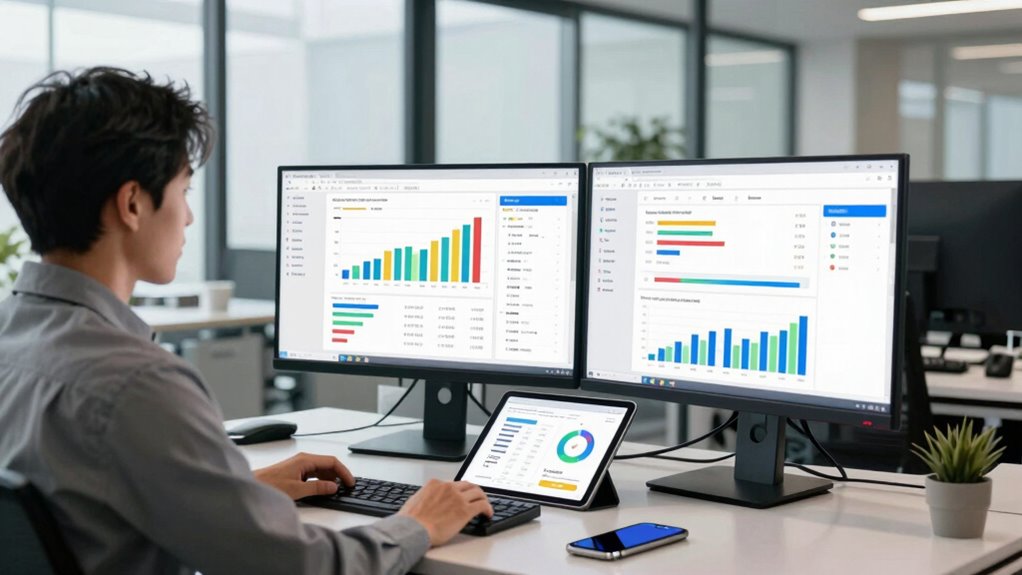
Once you’ve established a consistent schedule for your manufacturing emails, the next step is to track how well those campaigns perform. Use open analytics to identify trends and measure success. Focus on these key areas:
- Monitor click-through rates to see how many recipients engage with your content.
- Analyze open rates to gauge your subject line effectiveness and timing.
- Test and refine your emails based on data insights to improve engagement.
Frequently Asked Questions
How Can Manufacturing Companies Integrate Email Marketing With Other Sales Strategies?
You can integrate email marketing with other sales strategies through cross-channel integration, ensuring consistent messaging across platforms like social media, direct outreach, and your website. By aligning sales and marketing teams, you foster sales alignment, so messaging and nurturing efforts support each stage of the sales cycle. Use data from email campaigns to inform sales conversations and coordinate efforts, creating a seamless experience that accelerates conversions and builds stronger relationships.
What Are Common Mistakes to Avoid in Manufacturing Email Campaigns?
While it’s easy to overlook some nuances, avoid neglecting email personalization and spam compliance in your campaigns. Failing to tailor messages can alienate prospects, and ignoring spam rules risks deliverability issues. Steer clear of overloading emails with sales pitches, which may seem pushy. Instead, focus on relevant content and respectful frequency, ensuring your messages resonate and comply. This approach helps nurture relationships without unintended setbacks.
How Does GDPR Impact Manufacturing Email Marketing Practices?
GDPR critically impacts manufacturing email marketing by emphasizing data privacy and requiring strict consent management. You need to ensure you have explicit consent from recipients before sending marketing emails, and you must clearly communicate how their data will be used. Failing to comply can lead to hefty fines. To stay compliant, regularly review your data handling practices, obtain clear consent, and provide easy options for recipients to manage their preferences.
What Tools Are Best for Automating Manufacturing Email Campaigns?
You should consider tools like HubSpot, Marketo, or Mailchimp for automating manufacturing email campaigns. These platforms excel in email automation, allowing you to set up personalized drip campaigns that nurture leads over long sales cycles. They also provide robust campaign analytics, so you can track open rates, click-throughs, and conversions. This data helps optimize your outreach and guarantees your manufacturing marketing efforts stay targeted and effective.
How Can Manufacturing Marketers Segment Their Email Lists Effectively?
Imagine you’re a bustling blacksmith, shaping your email list with precision. You can segment effectively by using customer profiling and behavior analysis, identifying key traits and actions of your contacts. Group them by industry, purchase history, or engagement level, then tailor your messages accordingly. This targeted approach guarantees your content resonates, nurtures relationships, and accelerates long sales cycles, turning prospects into loyal clients.
Conclusion
Remember, nurturing long B2B sales cycles isn’t about quick wins but building trust over time. While a single email might spark interest, consistent, personalized communication cements your relationship. It’s easy to focus on immediate results, but true success lies in patience and strategy. So, embrace targeted campaigns and thoughtful timing—because in manufacturing, lasting partnerships are the real victory. Keep refining your approach, and watch your long-term sales grow steadily.