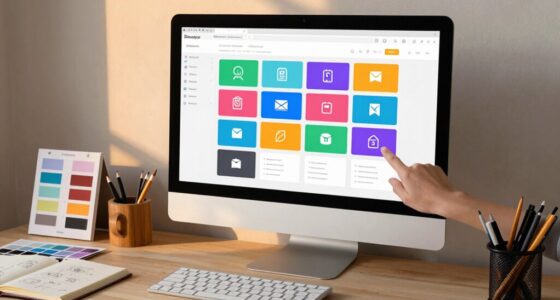
When you hit “send,” your email quickly moves from your device to an SMTP server, which routes it through various mail servers based on the recipient’s domain. Along the way, it undergoes spam filters, malware scans, and security checks. The message then travels securely through encryption, ensuring privacy, until it reaches the recipient’s inbox. If you want to understand the detailed journey and what influences delivery success, keep exploring these processes.
Key Takeaways
- The email moves from your device to SMTP servers for routing and authentication.
- SMTP servers forward the message through the network based on recipient domain and MX records.
- During transit, email encryption safeguards the message from tampering and interception.
- The recipient’s mail server receives, verifies, and stores the email, sending delivery confirmation.
- The email lands in the inbox, ensuring security, integrity, and proper routing throughout the process.
Bitdefender Total Security – 10 Devices | 2 year Subscription | PC/MAC |Activation Code by email
SPEED-OPTIMIZED, CROSS-PLATFORM PROTECTION: World-class antivirus security and cyber protection for Windows, Mac OS, iOS, and Android. Organize and…
As an affiliate, we earn on qualifying purchases.
As an affiliate, we earn on qualifying purchases.
How Email Delivery Works From Outbox to Inbox

When you hit send on an email, the message immediately begins its journey from your outbox to the recipient’s inbox. First, your email client applies sender authentication, verifying your identity to prevent spoofing. Next, email encryption often occurs, protecting your message from interception during transmission. Once secured, the email moves through your SMTP server, which routes it toward the recipient’s mail server. The recipient’s server then checks for additional sender authentication and decrypts the message if needed. Throughout this process, security measures guarantee only authorized parties access the content. These steps help guarantee your email arrives intact, unaltered, and securely, ready for the recipient to open and read. Additionally, email delivery protocols ensure that messages are efficiently routed and tracked throughout their journey. This seamless process underpins reliable email delivery, combining authentication and encryption for safety and integrity, while compliance standards help maintain regulatory requirements and protect user data. Furthermore, email delivery monitoring systems provide insights into delivery success and issues that may arise during transit. Incorporating delivery reporting features allows senders to confirm receipt and troubleshoot failures effectively. Moreover, understanding the entire email transmission process can help optimize email deliverability and reduce the chances of messages being marked as spam.

SMTP Protocol and Implementation Guide: Definitive Reference for Developers and Engineers
As an affiliate, we earn on qualifying purchases.
As an affiliate, we earn on qualifying purchases.
What Role Do SMTP Servers Play in Sending Your Email?

SMTP servers act as the essential gateways that transmit your emails from your device to the recipient’s mail server. They handle the initial step of sending, ensuring your message moves efficiently through the delivery pipeline. During this process, SMTP servers verify your identity through user authentication, preventing unauthorized access. They also support email encryption, safeguarding your message from interception during transit. These servers communicate with other mail servers to route your email correctly, relying on protocols to maintain security and integrity. Proper configuration of SMTP servers is crucial for maintaining a secure and reliable email system, especially considering the importance of secure communication protocols in safeguarding user data. Additionally, SMTP servers often employ authentication methods to confirm the sender’s identity and prevent spam or fraud. Understanding their role helps you appreciate how your email travels securely and reliably. Wave and wind are also considered in email delivery infrastructure to ensure optimal performance and reliability. Key functions include:
SMTP servers are crucial gateways that authenticate, encrypt, and route your emails securely to their destination.
- Authenticating your identity before sending
- Supporting email encryption for privacy
- Routing messages through the mail server network
- Ensuring compliance with security standards
- Monitoring delivery status to troubleshoot and confirm successful delivery
email delivery monitoring service
As an affiliate, we earn on qualifying purchases.
As an affiliate, we earn on qualifying purchases.
How Are Emails Routed Between Mail Servers?

Ever wonder how your email finds its way from one server to another? When you click send, your message is routed through a series of mail servers based on the recipient’s domain. These servers communicate using SMTP, ensuring your email reaches its destination. During this process, email encryption plays a vital role, protecting your message from interception and tampering en route. As the email travels, delivery confirmation signals are exchanged between servers to verify successful delivery or flag issues. Each server checks the recipient’s domain records, like MX records, to determine the correct path. This routing process continues seamlessly until your email arrives in the recipient’s inbox, ensuring secure and reliable delivery every time. The entire process is governed by a series of protocols that maintain email security and integrity throughout transit. Understanding the email delivery pipeline helps us appreciate how reliable and secure our communications are.
Secure by Design: Building Authentication and User Management in C#: A Practical Guide to Implementing Login, Registration, Roles, and Identity in ASP.NET Core
As an affiliate, we earn on qualifying purchases.
As an affiliate, we earn on qualifying purchases.
What Happens During Spam and Malware Checks?

When your email reaches the spam filters, they analyze various patterns and keywords to identify unwanted messages. Malware detection processes scan attachments and links to catch malicious content before it reaches your inbox. Understanding these checks helps you see how your email provider keeps your inbox safe. Additionally, sophisticated filtering systems may also examine the content of messages for signs of phishing or scam attempts, further enhancing security. These systems often incorporate machine learning algorithms to adapt to new threats and improve detection accuracy over time. Recognizing the importance of email security protocols can help users better understand how these systems protect their privacy and prevent fraud. Moreover, understanding the process behind Gold IRA rollovers can aid investors in making informed decisions about their retirement investments. Incorporating herbal tea benefits and other health-related insights can also help users stay informed about safe online practices.
Spam Filter Mechanisms
During spam and malware checks, email delivery systems actively analyze incoming messages to identify potential threats. They scrutinize various aspects, such as sender authentication, to verify the email genuinely comes from the claimed source. Spam filters also evaluate message content, metadata, and patterns that resemble common spam tactics. These systems may check for email encryption to confirm if the message has been tampered with or improperly secured. To improve accuracy, spam filters utilize multiple layers of analysis, combining sender reputation scores with heuristics. They also look for suspicious links or attachments that could harbor malware. This thorough approach helps prevent harmful emails from reaching your inbox while allowing legitimate messages through seamlessly. Additionally, Support Breakfast concepts like high-protein options and local ingredients inform the development of advanced filtering techniques that adapt to evolving spam strategies, including adaptive filtering methods that learn from new threats.
Malware Detection Processes
As email systems perform spam filtering, they also activate malware detection processes to identify malicious content. Phishing detection algorithms analyze email headers and message bodies for suspicious patterns or links that could lead to credential theft. Attachment scanning is vital; it automatically inspects all attachments for malware, viruses, or harmful scripts. If anything suspicious is detected, the message is flagged or blocked before reaching your inbox. These checks help prevent malicious emails from causing harm or spreading malware. Understanding brewing methods is essential for recognizing how different techniques influence the complexity of malware embedded in email attachments. By combining phishing detection with rigorous attachment scanning, email providers create a layered defense, reducing the risk of infection. This proactive approach guarantees that only safe, legitimate messages are delivered, keeping your inbox secure from evolving cyber threats.
How Do SMTP, POP3, and IMAP Protocols Handle Your Email?
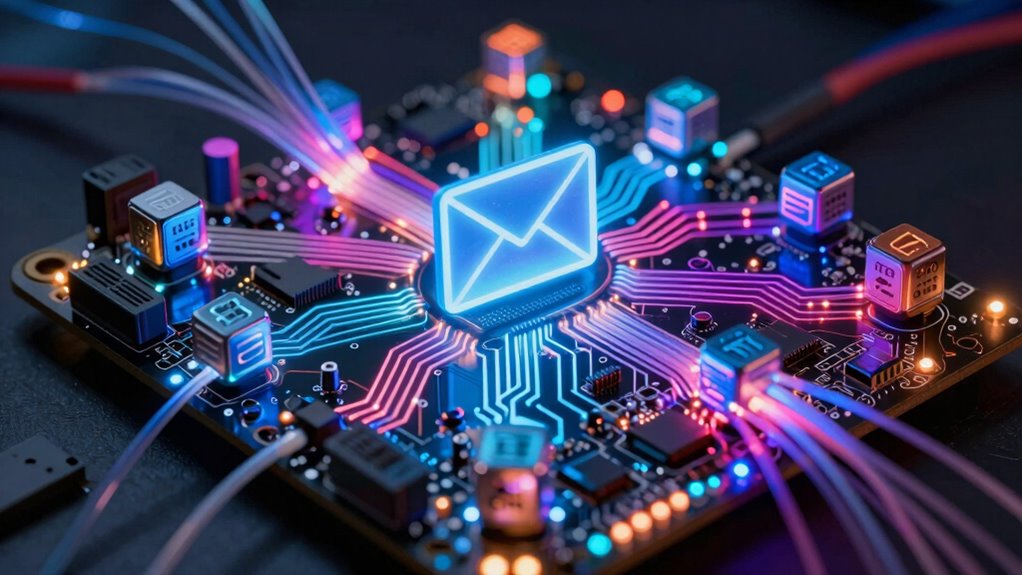
Email protocols like SMTP, POP3, and IMAP work together to guarantee your messages are sent, received, and managed smoothly. SMTP handles sending your email from your device to the mail server, often using email encryption to secure data during transit. POP3 downloads emails from the server to your device and removes them from the server, making offline access straightforward but limiting server storage. IMAP syncs your emails across devices, keeping messages on the server and allowing real-time updates. When you consider protocol comparison, note that SMTP is primarily for sending, while POP3 and IMAP are for retrieving. Each protocol manages email storage and access differently, impacting how your email is handled and secured throughout its journey.
Why Do Some Emails End Up in Spam or Fail to Deliver?
You might wonder why some of your emails land in spam or don’t arrive at all. Spam filters and rules automatically flag messages based on content or sender reputation, while technical issues like server misconfigurations can block delivery. Understanding these factors helps you improve your email success rate.
Spam Filters and Rules
Spam filters and rules are designed to identify and block unwanted or malicious messages before they reach your inbox. They analyze various factors like sender reputation, email content, and behavior patterns. Sometimes, legitimate emails get flagged due to overly aggressive rules or keywords. These filters also consider email encryption methods to prevent spoofing and ensure authenticity. Proper email archiving practices help maintain records, but overly strict rules can lead to false positives. To improve deliverability, confirm your emails follow best practices, like avoiding spammy language and maintaining good sender reputation. Understanding how filters work can help you craft emails that pass through smoothly and reduce the chances of ending up in spam folders. Additionally, awareness of email security features and how they interact with email content can further enhance your email delivery success.
Technical Delivery Issues
Technical delivery issues often cause messages to end up in spam folders or fail to reach their intended recipients. Problems like improper email encryption can trigger spam filters, making your emails seem suspicious. Additionally, if you don’t include delivery confirmation requests, you might not realize when your message doesn’t arrive. Server misconfigurations, such as incorrect DNS records or outdated authentication protocols, can also block delivery. Sometimes, recipients’ spam filters are overly aggressive, or network issues interfere with transmission. Ensuring proper email encryption helps keep your messages secure and trustworthy. Regularly requesting delivery confirmation allows you to verify successful delivery or identify failures early. Addressing these technical issues improves your chances of reaching inboxes and reduces the risk of your emails being marked as spam.
What Causes Email Delivery Delays or Failures?
Email delivery delays or failures often occur due to issues within the complex network infrastructure that handles message transmission. These problems can stem from server misconfigurations, network congestion, or security measures that interfere with delivery. For instance, if your email lacks proper sender authentication, it might be flagged or blocked by spam filters, delaying or preventing delivery. Similarly, inadequate email encryption can cause delays if intermediate servers struggle to process or verify the message securely. Other factors include blacklisted IP addresses, recipient server issues, or strict spam policies. Being aware of these potential pitfalls helps you troubleshoot effectively and ensure your emails reach their destination smoothly. Proper network management and adherence to email best practices are crucial for minimizing delivery issues. Additionally, understanding how email security protocols work can help prevent disruptions caused by security measures that may mistakenly block legitimate messages. Sometimes, email filtering rules set by recipient servers can also lead to delays or non-delivery, especially if they are overly strict or misconfigured.
How Does Your Email Finally Reach the Recipient’s Inbox?
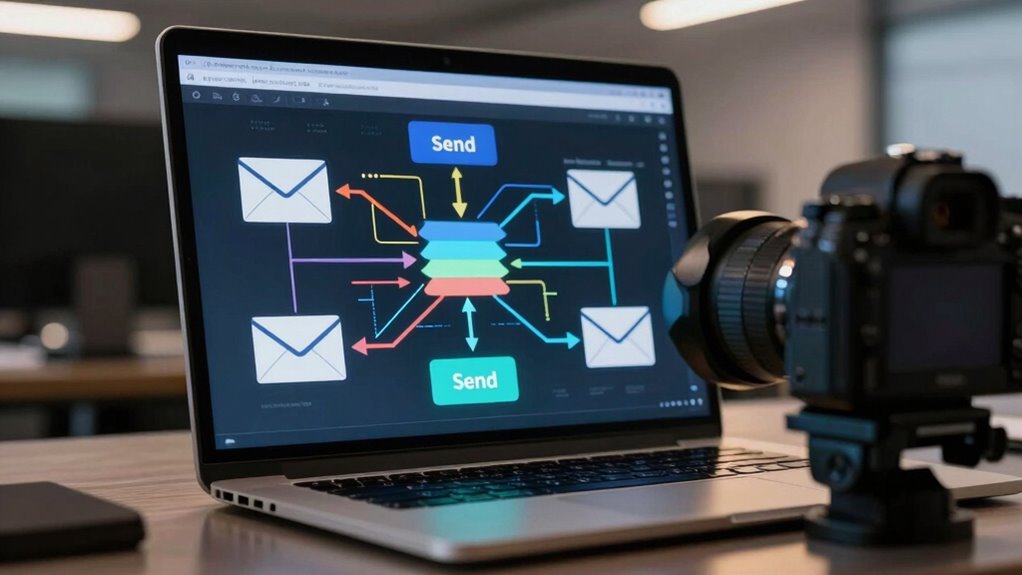
Have you ever wondered how your message finally lands in the recipient’s inbox rather than getting lost along the way? Once your email passes through various servers, it often gets secured with email encryption, ensuring your message remains private during transit. This encryption protects sensitive information from eavesdroppers and verifies the message’s integrity. After traveling through the internet, the email reaches the recipient’s mail server, which sends a delivery confirmation back to confirm successful delivery. If everything goes smoothly, your email lands directly in the inbox. The combination of secure transmission and confirmation processes helps guarantee your message arrives intact and in the right place, giving you confidence that your communication has successfully reached its recipient.
Troubleshooting Tips to Ensure Your Emails Always Deliver

Ensuring your emails always reach their destination can be challenging, but with some troubleshooting tips, you can considerably improve your delivery success. First, verify your sender authentication methods like SPF, DKIM, and DMARC are properly configured to prevent spam filters from blocking your messages. Next, implement email encryption to protect your content and build trust with recipients. Check your email content for spam triggers, such as excessive links or aggressive language, which can cause filtering issues. Finally, monitor your sending reputation and bounce rates regularly to identify potential issues early.
- Confirm your DNS records include correct sender authentication settings
- Use email encryption to secure sensitive information
- Avoid spammy language or suspicious links in your emails
- Track delivery reports and bounce-back messages for troubleshooting
Frequently Asked Questions
How Do Email Bounce-Back Messages Inform Delivery Issues?
When you receive bounce-back messages, they reveal delivery issues by referencing email server logs and bounce back codes. These codes, like 550 or 552, pinpoint specific problems such as invalid addresses or full inboxes. You can interpret these messages to identify the root cause, so you know whether to correct the email address, wait, or take other actions to improve your email deliverability.
What Security Measures Protect Emails During Transit?
During email transit, security measures like email authentication (SPF, DKIM, DMARC) verify your sender’s identity, preventing impersonation. Encryption, such as TLS, safeguards your message from interception. These protocols help guard against man-in-the-middle attacks. Additionally, anti-phishing tools detect suspicious links and content, protecting you from scams. Together, these security measures guarantee your emails stay private and authentic, reducing the risk of cyber threats during delivery.
How Do Email Filters Decide What Lands in Spam?
When you receive an email, email filter algorithms analyze its content, sender reputation, and headers using spam detection techniques. They look for suspicious keywords, unusual formatting, and known spam patterns. If the email matches these criteria, it’s flagged as spam. These filters work actively to keep unwanted messages out of your inbox, ensuring you only see legitimate emails. This process helps maintain your email security and organization.
Can Email Encryption Affect Delivery Success?
Email encryption can affect delivery success if your email servers or recipient’s filters see it as suspicious. Strong encryption might trigger spam filters or cause delivery delays, especially if encryption methods aren’t widely supported or properly configured. To guarantee smooth delivery, you should use standard encryption protocols like TLS, which are trusted by most email providers. Proper encryption helps protect your message without compromising its chances of reaching the recipient’s inbox.
What Impact Does Email Size Have on Delivery Speed?
Think of your email as a car; the larger it is, the slower it moves through the delivery pipeline. Larger email size can substantially impact delivery speed because it takes more time to upload, transmit, and download. If your email contains heavy attachments or lots of images, expect delays. To keep things speedy, try compressing files or sending smaller, streamlined messages whenever possible.
Conclusion
Now that you understand the journey your email takes, you can better navigate its voyage. Think of each step as a gentle river guiding your message smoothly to its destination, even if sometimes it takes a detour. With a little care and awareness, you’ll keep your correspondence sailing effortlessly through the digital currents, ensuring your words reach their destination gracefully and on time. Your email’s voyage is now a little clearer—and a lot more manageable.