To capture clicks and conversions cleanly in your email campaigns, focus on using precise tools like tracking pixels and UTM parameters, combined with analytics platforms such as Google Analytics. Keep your event setup simple by defining essential actions and maintaining consistent naming conventions. Regularly review your data for accuracy, and guarantee privacy compliance. If you want to boost your tracking effectiveness while avoiding clutter, discover how proper setup and best practices can make a difference.
Key Takeaways
- Define specific, meaningful events such as email opens, clicks, and conversions to ensure accurate tracking.
- Use consistent naming conventions and minimal tags to maintain clarity and prevent data clutter.
- Implement tracking methods like UTM parameters, pixels, and analytics tools while respecting user privacy.
- Regularly audit and validate tracking setup to eliminate redundancies and improve data reliability.
- Analyze event data to optimize email content, timing, and segmentation for better campaign performance.
Why Is Clean Event Tracking Important for Email Campaigns?

Have you ever wondered why some email campaigns succeed while others fall flat? Clean event tracking plays an essential role in this. When your tracking is accurate and well-maintained, it helps you understand customer engagement without triggering spam filtering. Dirty or inconsistent data can cause your emails to be flagged or ignored, reducing deliverability. Additionally, clean tracking guarantees you stay compliant with privacy regulations, respecting user data and avoiding legal issues. By focusing on accurate, privacy-aware event tracking, you improve your campaign insights, optimize messaging, and build trust with your audience. Clean data not only boosts your campaign’s effectiveness but also safeguards your reputation and guarantees your emails reach the right people. It’s an indispensable step for sustained success. Moreover, implementing accurate tracking methods ensures your data remains reliable and actionable over time.
How to Choose the Best Tools for Email Event Tracking
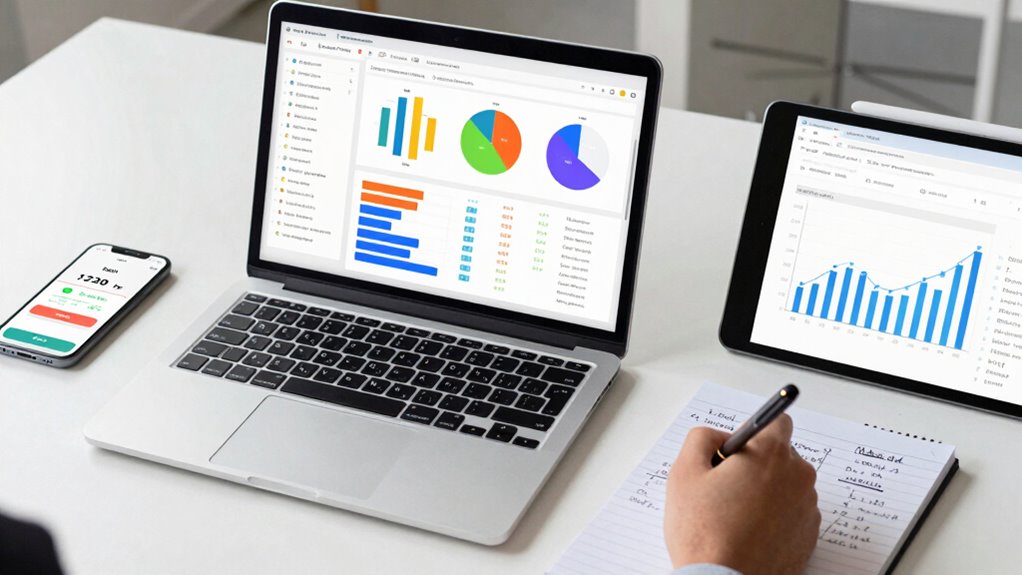
Choosing the right tools for email event tracking can considerably impact your campaign’s success. Focus on platforms that support A/B testing, enabling you to compare subject lines, content, and send times. Look for tools that facilitate segmentation strategies, allowing you to target specific audience groups based on behavior or engagement. Consider ease of integration with your existing systems and data accuracy to ensure clean tracking. Here’s a quick comparison:
| Feature | Importance |
|---|---|
| A/B Testing | Optimize campaigns through data-driven decisions |
| Segmentation Strategies | Deliver personalized content to increase engagement |
| Data Accuracy | Ensure reliable insights for better decision-making |
| Integration | Seamlessly connect with your email platform and CRM |
| User Interface | Easy to navigate and set up campaigns efficiently |
Choose tools that align with your goals for precise, actionable email event data to enhance your marketing efforts. Additionally, selecting a platform with comprehensive reporting capabilities can help you analyze results more effectively and refine your strategies over time. Incorporating advanced analytics features can further improve your understanding of user behavior and campaign performance. To ensure ongoing success, prioritize solutions that support continuous optimization and allow you to adapt your campaigns based on real-time insights. Understanding how data collection methods work is essential for maintaining ethical and compliant tracking practices.
How to Set Up Email Event Tracking Without Data Clutter
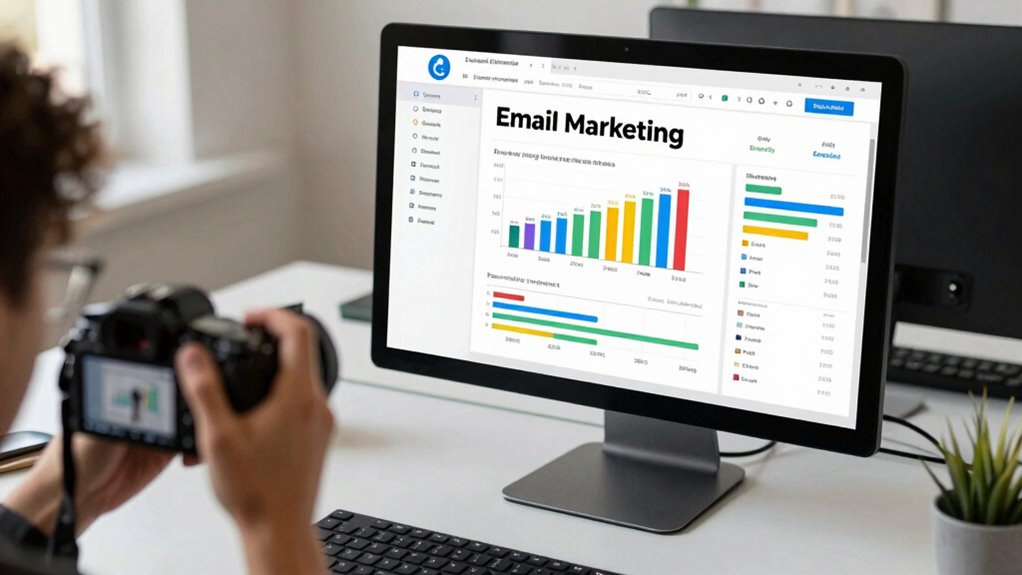
To set up email event tracking without creating data clutter, start by clearly defining the specific events you want to monitor, such as opens, clicks, or conversions. Focus on key metrics that support your email segmentation goals. Keep your tracking simple by implementing only essential tags and parameters to maintain tracking accuracy. Use consistent naming conventions to easily filter and analyze data later. Regularly review your tracking setup to eliminate redundant data points that add noise. Segment your data by relevant criteria to avoid overwhelming your reports. Prioritize quality over quantity, ensuring each tracked event provides actionable insights. Additionally, tracking best practices can help you optimize your setup for better clarity and effectiveness. This approach helps you maintain a clean data environment, making analysis straightforward and reliable. Properly managed, your tracking will support better decision-making without unnecessary clutter. Incorporating data management strategies can further enhance your tracking efficiency and data clarity, especially by leveraging free floating techniques to keep your data organized. Furthermore, aligning your tracking with established AI-driven insights can optimize your email campaigns for higher engagement and conversions.
What Are the Best Practices for Tracking Clicks and Conversions?

Building on the importance of maintaining a clean data environment, tracking clicks and conversions effectively requires implementing best practices that maximize accuracy and usefulness. Start by using segmentation strategies to group contacts based on behaviors, preferences,, and engagement levels. This allows you to analyze specific audience segments rather than general data, improving insights. Employ personalization tactics to tailor follow-ups and offers based on user actions, which encourages more meaningful interactions. Always verify your tracking links are consistent and properly tagged to avoid data fragmentation. Regularly review your tracking setup to identify and eliminate errors or redundancies. Additionally, understanding affiliate disclosure policies can help ensure transparency when using third-party tools for tracking. Incorporating privacy policies and respecting user consent preferences can also enhance trust and compliance. Using tracking parameters correctly ensures data accuracy and relevance. By combining segmentation strategies with personalization tactics, you’ll gather precise data that helps refine your campaigns and enhances overall performance. Implementing consistent tagging standards across campaigns further supports reliable data collection and analysis, especially when adhering to European data regulations.
How to Analyze Event Data to Improve Your Email Campaigns

Analyzing event data is essential for understanding how recipients interact with your emails and identifying opportunities for improvement. By examining click and conversion patterns, you can refine your strategies and boost engagement. Use A/B testing to compare different subject lines, content, or calls-to-action, revealing what resonates best with your audience. Segment your audience based on behavior or demographics to deliver targeted messages that increase relevance and response rates. Look for trends in open rates, click-throughs, and conversions to spot areas needing adjustment. Regular analysis helps you optimize your email timing, content, and offers. Remember, data-driven decisions lead to more effective campaigns and higher ROI. Staying attentive to your event data enables you to make informed adjustments and enhance your overall email marketing effectiveness. Incorporating topical authority in your content strategies can further enhance your campaign’s credibility and trustworthiness. Additionally, understanding how white noise machines can improve sleep can inform email content aimed at health and wellness audiences. Monitoring your performance metrics regularly ensures you remain agile and responsive to changing recipient behaviors. For instance, tracking the performance of various email elements can reveal which factors contribute most to successful conversions, much like evaluating different electric bike features to determine what appeals most to consumers.
Frequently Asked Questions
How Does Event Tracking Impact Email Deliverability Rates?
Event tracking positively impacts your email deliverability rates by providing valuable email engagement data, which helps you identify and remove inactive or problematic recipients. When you monitor deliverability metrics closely, you can optimize your email list and content, reducing bounce rates and spam complaints. This proactive approach guarantees your emails reach inboxes more often, boosting overall deliverability and engagement, and maintaining a healthy sender reputation.
Can Event Tracking Be Integrated With Existing CRM Systems?
You can definitely incorporate event tracking with your existing CRM systems. When you do, it guarantees seamless data synchronization, keeping customer info and engagement metrics up-to-date. This integration helps you analyze clicks and conversions more accurately, leading to smarter marketing decisions. By connecting event tracking tools to your CRM, you create a unified view of your customers’ behaviors, making your campaigns more targeted and effective.
What Are Common Mistakes to Avoid in Email Event Tracking?
You should avoid common mistakes like relying on tracking pixel mistakes and misconfigured tracking codes. Double-check that your tracking pixels are correctly placed and firing on the right pages to guarantee accurate data. Never overlook testing your codes before sending emails; misconfigured tracking codes can lead to lost insights. Keep your setup simple, monitor results regularly, and be cautious of over-complicating your tracking process to maintain clean, reliable data.
How Does GDPR Affect Email Event Tracking Practices?
GDPR considerably impacts your email event tracking by emphasizing privacy compliance and requiring user consent. You must inform users about data collection and obtain explicit permission before tracking clicks or conversions. Without proper consent, your tracking efforts could breach regulations, risking fines and damage to your reputation. Always prioritize transparency, clearly explain how you use data, and guarantee your practices respect user privacy to stay compliant and maintain trust.
Is There a Way to Track Offline Conversions From Email Campaigns?
Yes, you can track offline conversions from email campaigns with offline tracking methods. By integrating unique identifiers or promo codes, you enable conversion measurement beyond digital touchpoints. When a customer makes a purchase offline, you link that activity back to your email efforts, revealing the true impact of your campaigns. This seamless connection unlocks powerful insights, helping you optimize your strategies and truly understand the full scope of your marketing success.
Conclusion
Mastering clean event tracking for your emails is like tuning a finely crafted instrument—every note matters. By choosing the right tools, setting up without clutter, and following best practices, you’ll turn raw data into a symphony of insights. Analyzing this information helps you hit the right chords, boosting clicks and conversions. Keep your tracking sharp and your campaigns in harmony—success is just a well-played tune away.