
📊 Full opportunity report: Build vs Buy a Prebuilt AI Workstation on ThorstenMeyerAI.com — validation score, market gap, and execution plan.

Get business pricing on office and shipping supplies
- Business-only prices and quantity discounts
- Tax-exempt purchasing
- Multiple users, one account, clear invoices
TL;DR
In 2026, prebuilt AI workstations often match or beat DIY prices due to market shortages and bulk buying. The decision depends on speed, customization, and ownership preferences, with hybrid options gaining popularity.
In 2026, purchasing a prebuilt AI workstation often costs less or similarly to building one from parts, thanks to industry-wide component shortages and bulk purchasing discounts. This shift challenges the long-held belief that DIY builds are always cheaper, emphasizing faster deployment and validated performance as key advantages of prebuilt systems. The decision now hinges on factors beyond initial cost, including speed, control, and long-term ownership, impacting AI developers and enterprises alike.
Recent market conditions have caused component prices for DIY AI workstations to rise, with estimates indicating a typical build now costs around $1,250 or more, excluding support and maintenance. For a detailed analysis, see the original analysis. Meanwhile, vendors like Lambda and Puget offer prebuilt systems at comparable or lower prices, thanks to bulk purchasing power and supply chain efficiencies. These prebuilt systems come fully assembled, tested, and validated for thermal performance and noise levels, often with warranties and support included, reducing setup time from weeks to days.
Choosing between build and buy depends on priorities: prebuilt systems offer quick deployment, reliability, and support, making them ideal for time-sensitive projects. Building a system grants maximum control over hardware, security, and future upgrades but requires technical expertise, significant time investment, and ongoing management. Hidden costs such as troubleshooting, hardware maintenance, and compliance can also influence the total cost of ownership, often making prebuilt solutions more attractive despite their higher sticker price in some cases.
Build vs buy
an AI workstation.
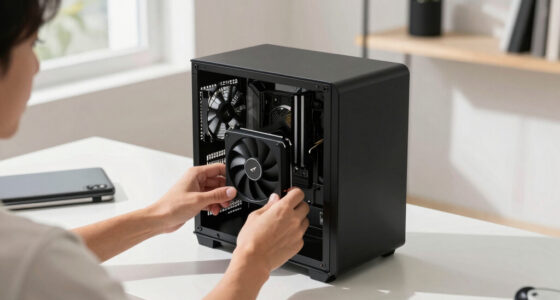
The real question behind this whole series: do you pull the five heat-and-noise levers yourself, or buy a prebuilt where the vendor pulled them for you? And in 2026, the old “building is cheaper” rule has broken. Match your situation in Part 3.
Impact of Market Shifts on AI Infrastructure Choices
The evolving market landscape in 2026 makes the build vs buy decision more complex. For organizations needing rapid deployment, prebuilt systems reduce operational delays and risk, enabling faster project start times. Conversely, those prioritizing customization and control may still prefer building, provided they have the technical resources. The shift toward prebuilt solutions also influences long-term planning, support strategies, and total ownership costs, affecting both startups and large enterprises in AI development.
As an affiliate, we earn on qualifying purchases.
2026 Market Conditions and Hardware Cost Trends
Over the past year, global chip shortages and supply chain disruptions have driven up component prices, eroding the traditional cost advantage of DIY builds. Bulk purchasing by major vendors has allowed prebuilt systems to maintain competitive pricing, often matching or undercutting DIY options. Additionally, prebuilt vendors now perform extensive validation, including thermal testing and noise reduction, which previously was a DIY advantage. This market environment has made prebuilt workstations more reliable and faster to deploy, shifting industry preferences.
"Our prebuilt AI workstations are fully validated for thermal performance and come with comprehensive support, reducing deployment risks."
— Lambda Systems spokesperson
As an affiliate, we earn on qualifying purchases.
Unresolved Questions About Long-Term Cost and Performance
While current data shows prebuilt systems are competitive, it remains unclear how their long-term upgradeability and total cost of ownership compare over multiple years, especially as hardware evolves rapidly. Additionally, the impact of ongoing supply chain issues and potential future shortages on prices and availability is still uncertain. Further, the specific security and customization limits of prebuilt systems versus DIY setups are still being evaluated by users.
high performance AI workstation build
As an affiliate, we earn on qualifying purchases.
As an affiliate, we earn on qualifying purchases.
Future Trends and Market Developments to Watch
In the coming months, expect further price stabilization and new product launches from major vendors. Monitoring how supply chain issues resolve and how support services evolve will be key. Additionally, hybrid models combining prebuilt reliability with customizable components are likely to grow in popularity, offering a middle ground for diverse needs. Organizations should stay informed about these trends to optimize their hardware investments for AI workloads.
As an affiliate, we earn on qualifying purchases.
Key Questions
Is it cheaper to build or buy an AI workstation in 2026?
Due to market shortages and bulk buying, prebuilt systems often match or beat the cost of DIY builds, especially when factoring in support and validation.
How long does it take to deploy a prebuilt AI system?
Most prebuilt systems can be deployed within 1–2 weeks, including setup and software installation, whereas DIY builds can take a month or more.
What are the main advantages of a prebuilt AI workstation?
Prebuilt systems offer validated performance, reduced setup time, warranty, and support, making them ideal for quick deployment and reliability.
Can I customize a prebuilt AI workstation?
While some vendors offer customization options, prebuilt systems generally have fixed configurations. Full customization is more accessible with DIY builds.
What hidden costs should I consider with DIY builds?
Hidden costs include time spent troubleshooting, hardware upgrades, ongoing maintenance, and potential security or compliance expenses.
Source: ThorstenMeyerAI.com
Halloween Picks
halloween
As an affiliate, we earn on qualifying purchases.