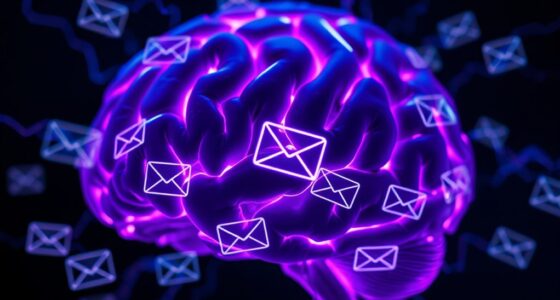
balancing personalization and privacy in email marketing means you gather enough data to make messages relevant without overstepping boundaries. Be transparent about how you collect and use information, and always seek explicit consent to build trust. Respect privacy by limiting data collection and securely protecting it. When you prioritize responsible practices, you foster loyalty and engagement. If you want to discover how to maintain this balance effectively, there’s more to explore ahead.

Get business pricing on office and shipping supplies
- Business-only prices and quantity discounts
- Tax-exempt purchasing
- Multiple users, one account, clear invoices
Key Takeaways
- Prioritize transparent data collection with clear opt-in processes to build trust while gathering necessary personalization data.
- Limit data collection to what is essential, avoiding overreach and respecting recipient privacy boundaries.
- Clearly communicate how data is used and secured, fostering openness and consumer confidence.
- Balance personalization benefits with privacy by providing options for recipients to control their data sharing preferences.
- Maintain responsible data handling practices to enhance engagement without compromising privacy or security.
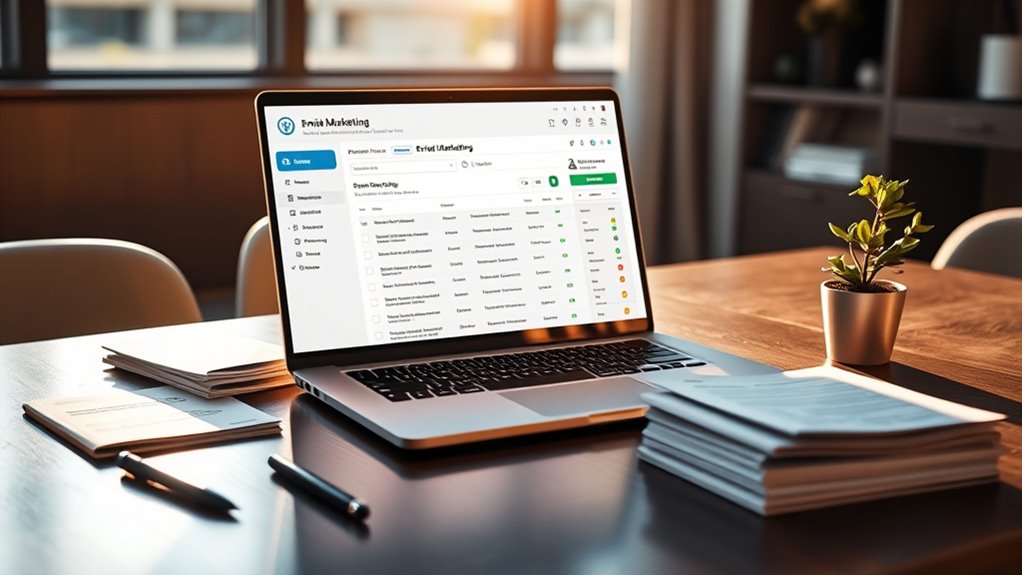
Have you ever wondered how email marketers manage to craft messages that feel just right? The secret lies in their ability to personalize content while respecting your privacy. At the core of this balancing act is data collection. Marketers gather information about your preferences, browsing habits, and purchase history to tailor emails that seem almost made for you. This process makes emails more relevant and engaging, increasing the likelihood you’ll open them and take action. However, collecting data isn’t just about making messages more appealing; it’s also about building consumer trust. When done transparently, data collection reassures you that your information is used responsibly and that marketers value your privacy.
You might notice that the more a brand knows about you, the better they can customize their messages. They might suggest products based on your recent searches or send special offers aligned with your interests. This level of personalization can feel like a conversation with a friend who truly understands your needs. But it’s essential that marketers handle your data with care, clearly explaining what they’re collecting and why. When they do this, it fosters trust because you see that your information isn’t just being hoarded or misused. Instead, it’s used to create a more meaningful and respectful communication experience.
The more a brand understands you, the more personalized and respectful your experience feels.
To achieve this delicate balance, marketers often start by asking for your consent before gathering data. This transparency lets you decide how much information you’re willing to share. It also encourages a sense of control, which is fundamental for maintaining your trust. When you opt in willingly, you feel more comfortable with the personalized messages you receive, knowing they’re based on your preferences and not on intrusive spying. Furthermore, responsible data collection involves limiting the amount of information collected to what’s necessary. This way, your privacy isn’t compromised by excessive or unnecessary data gathering. Additionally, understanding the concept of data security helps ensure that your information remains protected from breaches or misuse.
Effective email marketing recognizes that your trust is fragile and must be earned continually. Marketers who respect your privacy by being open about their data collection practices often see higher engagement rates. They understand that personalization isn’t just about increasing sales; it’s about creating a relationship rooted in respect and transparency. When they strike the right balance, you feel valued rather than exploited, making you more likely to stay subscribed and engaged. Ultimately, the key to successful email marketing lies in using data responsibly to enhance your experience without overstepping boundaries. This approach ensures that personalization and privacy work hand in hand to foster long-term trust and loyalty.
email marketing privacy compliance tools
As an affiliate, we earn on qualifying purchases.
As an affiliate, we earn on qualifying purchases.
Frequently Asked Questions
How Do GDPR Regulations Impact Personalized Email Marketing Strategies?
GDPR regulations require you to prioritize user consent and data privacy in personalized email marketing. You must obtain clear consent through effective consent management and implement data anonymization to protect personal information. This means you can’t overly target or track users without permission, but you can still personalize content by using anonymized data. These steps guarantee compliance while maintaining effective, respectful marketing strategies that build trust with your audience.
What Are the Best Practices for Obtaining User Consent Ethically?
Getting user consent ethically is as essential as a tightrope walker’s balance. You should implement clear opt-in strategies that leave no room for confusion, ensuring users actively agree to receive emails. Use straightforward language, and provide easy options for consent management. Regularly update your preferences and honor user choices. This approach builds trust, keeps you compliant, and turns your email list into a loyal community instead of a privacy minefield.
How Can Brands Prevent Data Breaches When Collecting Personal Info?
To prevent data breaches when collecting personal info, you should implement strong data encryption to protect sensitive data both in transit and at rest. Additionally, establish strict access controls, ensuring only authorized personnel can access the information. Regularly update your security protocols and conduct audits to identify vulnerabilities. You also need to educate your team about best practices for data security, reducing the risk of breaches and maintaining user trust.
What Tools Help Balance Personalization With Privacy Compliance?
It’s true that using segmentation strategies and anonymization techniques can help you balance personalization with privacy compliance. Tools like customer data platforms (CDPs) enable secure data segmentation, while encryption and pseudonymization protect personal info. These strategies guarantee you personalize effectively without risking data breaches, aligning with privacy laws. By integrating such tools, you create tailored campaigns that respect your audience’s privacy, fostering trust and compliance simultaneously.
How Do Privacy Concerns Affect Consumer Trust and Engagement?
Privacy concerns can lead to consumer skepticism, making it harder for you to build trust and keep engagement high. When you respect privacy regulations and be transparent about data use, you show your audience you value their trust. This proactive approach helps rebuild trust, encourages honest engagement, and strengthens your relationship with customers. Ultimately, balancing privacy concerns with personalized communication fosters loyalty and long-term success in your email marketing efforts.
email list opt-in management software
As an affiliate, we earn on qualifying purchases.
As an affiliate, we earn on qualifying purchases.
Conclusion
Striking the perfect balance between personalization and privacy isn’t just a challenge — it’s a game changer. As you navigate this delicate dance, one decision could tip the scales and shape your audience’s trust forever. Will you prioritize data insights or respect their boundaries? The choice is yours, but remember, the future of your email marketing success hinges on how well you master this tightrope walk. Are you ready to find out what’s next?
data security for email marketing
As an affiliate, we earn on qualifying purchases.
As an affiliate, we earn on qualifying purchases.
personalization and privacy tools for email campaigns
As an affiliate, we earn on qualifying purchases.
As an affiliate, we earn on qualifying purchases.
Fall Picks
fall essentials
As an affiliate, we earn on qualifying purchases.