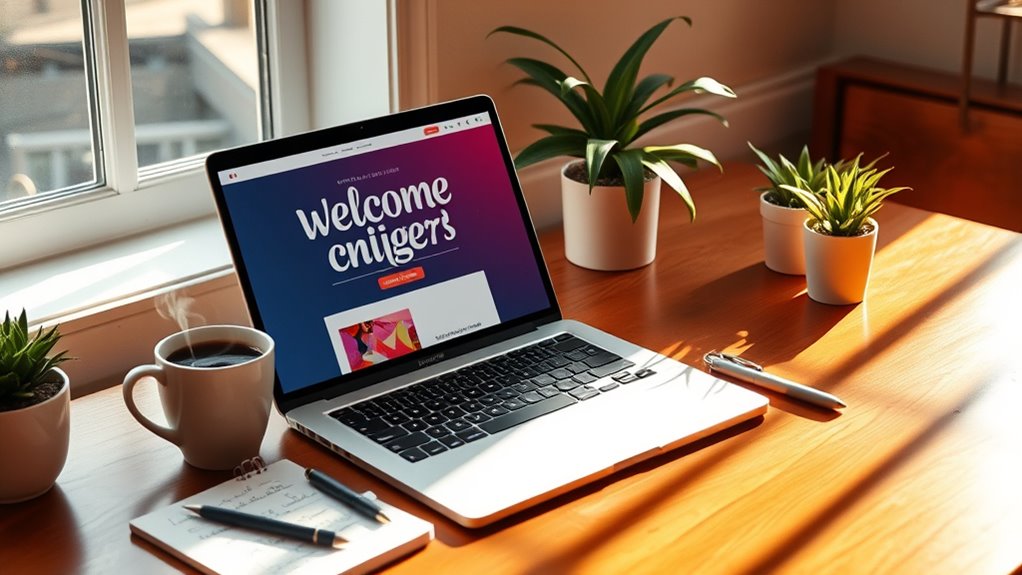

To write a welcome email that delights, start by personalizing it with the subscriber’s name and referencing any shared interests. Keep the tone friendly, approachable, and confident. Use a clean, visually appealing design with clear headers and consistent branding. Clearly explain what they can expect and include a prominent, natural CTA that encourages immediate engagement. Follow best practices like testing across devices to guarantee your message makes a strong, positive first impression—there’s more to discover below.
Key Takeaways
- Personalize the greeting with the subscriber’s name and relevant interests to foster a sense of connection.
- Craft a warm, friendly tone that communicates genuine appreciation and sets positive expectations.
- Use a clean, visually appealing design with clear hierarchy, brand elements, and mobile responsiveness.
- Include a prominent, naturally integrated call-to-action encouraging immediate engagement or exploration.
- Test and optimize the email’s layout, content, and subject line based on audience feedback and performance metrics.

Sending a warm and effective welcome email sets the tone for a positive relationship with your new subscribers or customers. It’s your first opportunity to make a strong impression, build trust, and encourage engagement. To do this successfully, focus on personalization strategies that make your message feel tailored specifically to each recipient. Use their name in the greeting and reference any information they’ve shared during signup, such as their interests or preferences. This personal touch shows you’ve taken the time to understand their needs and makes them more likely to connect with your brand.
In addition to personalization, pay close attention to your email design tips. A clean, visually appealing layout with a clear hierarchy of information captures attention and makes your message easier to digest. Use a compelling header that resonates with your audience and sets the tone for what’s to come. Incorporate your brand’s colors, logo, and consistent fonts to reinforce brand recognition. Proper spacing, concise paragraphs, and strategic use of images help prevent overwhelming your readers and guide their eyes through the content smoothly. Remember, a well-designed email isn’t just about aesthetics; it improves readability and encourages recipients to take action.
When crafting your welcome message, keep the tone friendly, approachable, and confident. Clearly state what your subscribers can expect from your emails—whether it’s exclusive offers, helpful content, or community updates. Including a call-to-action (CTA) early on can direct new subscribers toward the next step, whether that’s exploring your website, following your social media accounts, or updating their preferences. Make sure your CTA is prominent but not aggressive; it should naturally fit into the flow of your message.
Don’t forget to test your email’s design and content before sending. Check how it appears on different devices and email clients to guarantee consistency. A mobile-friendly layout is essential since many users access emails on their smartphones. Use A/B testing to refine subject lines, personalization techniques, and design elements over time. This ongoing optimization helps you learn what resonates most with your audience and improves your open and click-through rates.
Ultimately, a thoughtfully crafted welcome email that combines personalization strategies with effective email design tips will make your new subscribers feel valued from the start. It sets the foundation for a lasting relationship built on trust, engagement, and shared interests. By paying attention to these details, you’ll turn new signups into loyal customers who look forward to hearing from you. Additionally, understanding the contrast ratio of your projector can significantly enhance your home cinema experience by delivering deeper blacks and brighter whites.

Welcome Email Sequence (inc Templates for each email): Stop losing subscribers before they’ve even started
As an affiliate, we earn on qualifying purchases.
As an affiliate, we earn on qualifying purchases.
Frequently Asked Questions
How Soon Should I Send the Welcome Email After Sign-Up?
You should send your welcome email within minutes of sign-up to maximize engagement. Timing considerations show that prompt responses make subscribers feel valued and boost open rates. Use automation strategies to guarantee instant delivery, so your message arrives while their interest is still fresh. Delaying too long risks losing their attention. A quick, automated welcome email sets a positive tone and encourages further interaction right from the start.
What Subject Line Best Encourages Opening the Welcome Email?
Your subject line should blend curiosity with branding consistency, like “Welcome to [Your Brand] — Let’s Get Started!” It encourages opens by sparking curiosity while aligning tone and style with your brand. Keep it concise and friendly, reflecting your brand’s personality. When your tone matches your message, subscribers feel valued and more likely to engage. A well-crafted subject line makes your welcome email irresistible from the first glance.
Should I Include Images or Multimedia in My Welcome Message?
Including images or multimedia in your welcome message can boost visual storytelling and enhance email aesthetics, making your message more engaging. You should add relevant visuals that complement your content without overwhelming your message. Keep in mind, too many images may slow loading times or distract from your core message. Use multimedia thoughtfully to create a warm, inviting experience that encourages new subscribers to connect with your brand.
How Can I Personalize the Welcome Email Effectively?
You can personalize your welcome email effectively by using personalization techniques like addressing subscribers by their first name and tailoring content based on their interests. Utilize subscriber segmentation to send targeted messages that resonate with different groups. This approach shows you value their preferences, making your email feel more genuine and engaging. When you customize your message, you increase the chances they’ll stay interested and connect with your brand from the start.
What Common Mistakes Should I Avoid in Welcome Emails?
Avoid an overly formal tone, which can make your welcome email feel distant and impersonal. Steer clear of excessive length, as it may overwhelm or bore your subscribers. Keep your message concise, friendly, and to the point, focusing on welcoming your new subscribers warmly. Remember, a brief, genuine message is more likely to engage and delight them, setting a positive tone for future interactions.

Responsive Design: An Undead Introduction to Mobile Web Development (Undead Institute)
As an affiliate, we earn on qualifying purchases.
As an affiliate, we earn on qualifying purchases.
Conclusion
Think of your welcome email as the first handshake in a blossoming relationship. When you craft it warmly and genuinely, you’re planting seeds of trust and excitement that will grow over time. Keep your tone friendly, your message clear, and your enthusiasm shining through. Remember, this isn’t just an email—it’s your golden ticket to turning new subscribers into loyal fans. So, go ahead, make it memorable, and watch your community flourish like a well-tended garden.
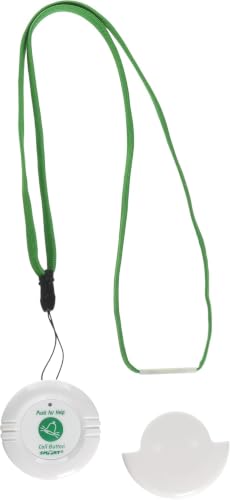
Smart Caregiver Nurse Call Button – Replacement Transmitter for Economy Central Monitoring Unit – Add-On for Elderly Patient Monitoring
- Wireless Nurse Call Button: Allows residents to request assistance
- Wireless Signal Transmission: Communicates with Central Monitoring Unit
- Compatibility: Works with specific caregiver alert devices
As an affiliate, we earn on qualifying purchases.
As an affiliate, we earn on qualifying purchases.

Dremel 120-Volt Engraver Rotary Tool with Stencils – Crafting Machine Perfect for DIY Personalizing and Engraving Leather, Metal, Glass, and Wood , Black, 290-02
- Versatile Engraving Surface: Engraves wood, leather, metal, glass, and more
- Personalize and Decorate: Ideal for customizing valuables and decorative designs
- Adjustable Engraving Depth: Five-position dial for fine to deep engraving
As an affiliate, we earn on qualifying purchases.
As an affiliate, we earn on qualifying purchases.