🔍 Read the full analysis: How To Build AI Skills While Searching For Your First UK Job on ThorstenMeyerAI.com

Get business pricing on office and shipping supplies
- Business-only prices and quantity discounts
- Tax-exempt purchasing
- Multiple users, one account, clear invoices
TL;DR
The UK unemployment rate for 16- to 24-year-olds was 15.6% in June to August 2026, while public job-posting data show a record share of ads mentioning AI. Young jobseekers can build basic AI skills through free tools and small projects, but the available evidence does not show that AI caused rising youth unemployment or that AI skills guarantee a job.
The UK unemployment rate for 16- to 24-year-olds was 15.6% in June to August 2026, while 9.4% of UK job postings mentioned AI at the end of June, according to the Office for National Statistics and Indeed. A report published November 7 by ThorstenMeyerAI.com says young jobseekers can respond by learning practical AI basics, but the figures do not establish that AI is causing youth unemployment or that AI skills secure a job.
The Office for National Statistics reported 715,000 unemployed people aged 16 to 24 in June to August, compared with 661,000 a year earlier. The unemployment rate was below the 16.4% recorded in March to May and May to July, but remained above the 14.6% rate a year earlier. The ONS says the Labour Force Survey can be volatile for smaller groups, including young people, so a single quarter should not be over-interpreted.
Employers advertised 691,000 vacancies in July to September, down 37,000, or 5.1%, on the year. Separately, 981,000 young people—13.0% of all 16- to 24-year-olds—were not in education, employment or training in April to June. Those measures describe a difficult entry-level market; they do not identify AI as its cause.
Indeed Hiring Lab found that 9.4% of all UK job postings mentioned AI or related tools at the end of June, its highest recorded share. Bloomberg reported on November 5 that Adzuna data showed AI mentions in entry-level ads had almost tripled since early 2025. The report says those Adzuna figures were provided to Bloomberg and are not publicly available for independent checking.
Infographic 01 · The youth jobs squeeze
Roughly one in six young people who want a job cannot find one
The official Labour Force Survey numbers behind the headlines. The survey is volatile for small groups, so look at the multi-year direction, not a single quarter.
Unemployment rate of 16- to 24-year-olds in the UK, June to August 2026. Earlier this year: 16.4%, the highest since late 2014.
Higher than in the pandemic summer
Youth unemployment rate, 16–24, June to August of each year (ONS, seasonally adjusted)
Sources: ONS Labour market overview, October 2026 (20 Oct 2026) · ONS series MGWY · ONS NEET, August 2026 (27 Aug 2026). For comparison, unemployment for all ages was 4.7%.
Powered by Thorsten Meyer AI
AI Skills in a Tighter Entry Market
The combination of fewer vacancies and more job ads referring to AI may leave first-time applicants unsure what employers expect. The report argues that learning a small set of practical skills can help applicants discuss how they use AI responsibly, rather than treating specialist technical expertise as a universal requirement.
Its suggested basics are recognising AI risks, writing clear prompts, reading simple AI dashboards and automating routine tasks. These can be practised with free or low-cost tools and demonstrated through a small project, such as organising public information, drafting a sample customer response for review, or automating a repetitive spreadsheet task. Applicants should describe what they did, what they checked and where human judgement remained necessary.
That preparation is not a substitute for role-specific qualifications or experience, and it cannot address limited vacancies by itself. Indeed data cited in the source show overall postings were down 11% since the start of 2026 and 32% below February 2020. The report also quotes Indeed economist Jack Kennedy saying AI-related demand has offset only a third of the decline in other entry-level postings.
Popular right now

Dyson Car+Boat Cordless Handheld Vacuum
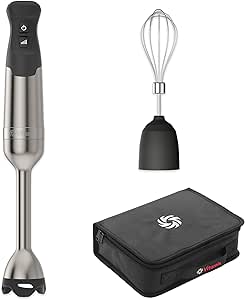
Vitamix 5-Speed Immersion Blender 3-Piece Bundle with Whisk and Storage Case

Roborock Q7 M5+ Robot Vacuum and Mop with Self-Emptying Dock
As an affiliate, we earn on qualifying purchases.
What the Hiring Data Shows
The source report compares official labour-market measures with private-sector job-posting data. The ONS unemployment rate covers people who are out of work, have looked for a job in the past four weeks and could start within two weeks. It is the share of young people who are working or looking for work, and includes students seeking jobs. Among 16- to 24-year-olds not in full-time education, the reported rate was 13.3%.
Indeed Hiring Lab’s public mid-year analysis, dated August 3, found AI mentions in a record share of postings by the end of June. It also reported that graduate postings were about 7% below the previous year and at their lowest level for that time of year since 2020. Bloomberg’s entry-level figures add a narrower view, but rely on data not published in the source material. The measures differ in coverage and should not be treated as a direct count of jobs available to young people.
The government’s independent review, as quoted by the source, cautioned that it would be premature to treat AI as a major cause of young people being out of work, while warning against ignoring the technology’s possible effects. The evidence therefore supports paying attention to changing job requirements, not claiming that AI explains the wider employment trend.
““It would be premature to treat AI as a major cause” of the rise in young people out of work, but “equally mistaken to ignore it”.”
— The government’s independent review, as quoted by ThorstenMeyerAI.com
What the Figures Cannot Establish
The figures do not show that AI caused rising youth unemployment, nor do they establish how many employers will reject an applicant without AI experience. The Adzuna entry-level data cited by Bloomberg are not publicly available in the source material, and the report notes that they cannot be independently checked there. Indeed’s public measure covers all job postings and is not the same as a count of entry-level vacancies.
It is also unclear which AI skills individual employers expect, how often they are essential rather than preferred, or whether learning them changes an applicant’s chance of being hired. The ONS warns that youth labour-market estimates can shift between quarters. The latest reported rate is high compared with a year earlier, but it had fallen from its 16.4% recent peak.
Practical Steps for Applicants
Young jobseekers can start by checking several current adverts in the field they want to enter and noting which AI tasks or tools are actually named. They can then practise relevant basics using accessible tools, verify generated information against reliable sources, and keep a short record of the task, checks and outcome. A small demonstration project can help make those skills concrete in an application or interview.
Applicants should continue building the other requirements listed in vacancies, including communication, subject knowledge and experience. Employers and training providers will shape how useful AI practice becomes: the source report gives no specific policy change or hiring commitment. The next useful evidence will be further ONS releases and publicly available, clearly defined job-ad data showing whether youth unemployment and entry-level AI requirements continue to change.
Key Questions
What was the UK youth unemployment rate in June to August 2026?
The ONS reported 15.6% for people aged 16 to 24, representing 715,000 unemployed young people. The rate was 14.6% a year earlier and had reached 16.4% in earlier periods of 2026.
Are AI skills proven to cause or prevent youth unemployment?
No. The figures cited show labour-market conditions and the share of job ads mentioning AI, but do not prove that AI caused unemployment or that learning AI skills guarantees employment. The government review quoted in the report cautions against treating AI as a major cause while saying its effects should not be ignored.
Which AI skills should a first-time jobseeker practise?
The report lists four basics: recognising AI risks, writing effective prompts, reading simple AI dashboards and automating routine tasks. Applicants can focus on skills relevant to the roles they are applying for and explain how they check AI-generated work.
How reliable are the reported entry-level AI job-ad figures?
Bloomberg reported that Adzuna found AI mentions in entry-level ads had almost tripled since early 2025. The source report says those figures were provided to Bloomberg and are not publicly available there for independent checking. Indeed’s public 9.4% figure covers all UK job postings, not entry-level ads alone.
Source: ThorstenMeyerAI.com