
🔍 Read the full analysis: How I Turned An AI-Coded PDF Editor Into A Tool I Could Trust on ThorstenMeyerAI.com

Get business pricing on office and shipping supplies
- Business-only prices and quantity discounts
- Tax-exempt purchasing
- Multiple users, one account, clear invoices
TL;DR
Thorsten Meyer says an AI coding agent built the first version of his private PDF editor, Docestra, on Nov. 6, 2026. Testing across hundreds of real files exposed save, encryption and redaction problems; by version 1.5.1, the project had added fixes and grown from 17 to 745 automated unit tests. The tool remains private, and Meyer says he has not measured time or cost savings.
Thorsten Meyer says he turned an AI-generated PDF editor into a more dependable personal tool by testing it against hundreds of real files and redesigning features that failed review. In an account published November 13, 2026, Meyer traced Docestra’s development from its first working version on Nov. 6 to version 1.5.1 on Nov. 12, describing problems with saved annotations, encrypted PDFs and redaction. The editor is a private local web app, not a public download, and Meyer says he has not measured any time or cost savings.
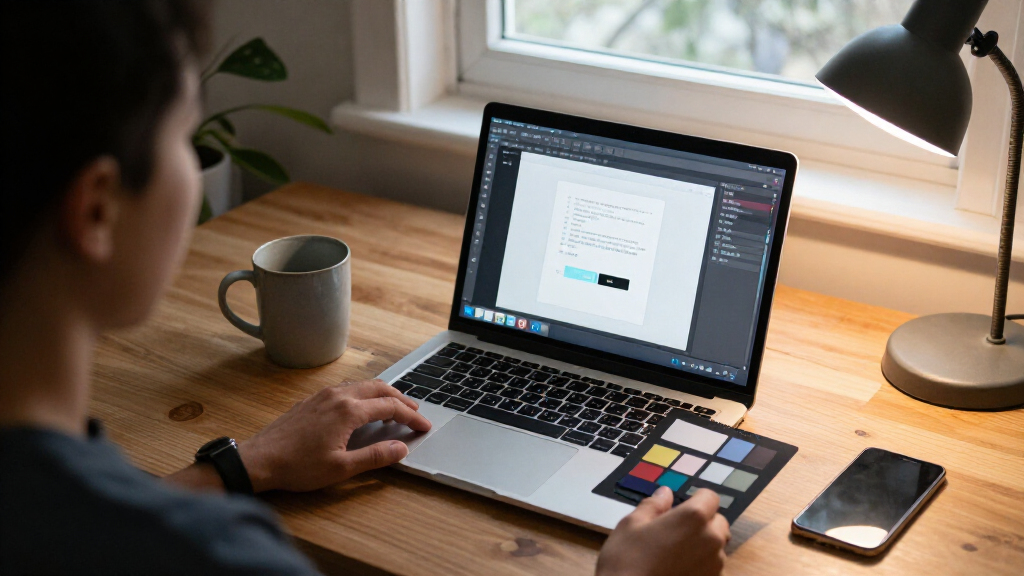
Meyer says he gave an AI coding agent a one-sentence request on Nov. 6: build a PDF editor he could use. The first version was committed that evening. It could open and search PDFs, add highlights and notes, draw, sign and fill forms, change page order, combine or extract pages, and save PDFs. The TypeScript app runs in a browser on his Mac; according to Meyer, files stay on the machine. He says Anthropic’s Claude Code, running Claude Opus, wrote the code, while OpenAI’s Codex reviewed it from the start.
The first substantial test run covered 930 real PDFs and caught a save defect that did not appear in Meyer’s sample files. A PDF library could write a broken cross-reference table for a file from a common PDF generator, causing markups to disappear from the saved document. Meyer says he changed the app to save without compressed object streams. The same test set included 69 encrypted PDFs; 52 did not permit annotations under restrictions set by their authors. Because the library could not re-encrypt edited files, Docestra was changed to ask for confirmation before unlocking those files and to save an unprotected copy without overwriting the original.
Redaction required a different approach. The first version’s “white-out” tool covered text visually but left the underlying content in the PDF. Meyer says an independent AI review identified 14 problems in the first implementation of actual redaction and 13 in a second review. Rather than continue patching that design, he changed it: pages with redactions are converted to images, marked areas are filled in the image, and an invisible searchable text layer is added without text that touches a marked area. Meyer reports that tests on 917 PDFs found zero leaks. That result describes his test set, not a guarantee that every document or use case is secure.
Docestra · Nov 6–13, 2026
From one prompt to a tool I can rely on
What the first version gave me, what real files broke, and what it took to fix it, from my project log.
What the tool rests on (schematic)
Built bottom up. The top layer is a plan, not a finished feature.
What happened, by date
- Nov 6One-sentence brief; first working version committed the same evening
- Nov 6Test over 930 real PDFs finds a save bug that dropped markups
- Nov 752 of 69 encrypted PDFs forbid annotations: unlock only into a new copy
- Nov 8Real redaction: review finds 14, then 13 problems; simpler design, 0 leaks in 917 PDFs
- Nov 12Version 1.5.1: 745 unit tests, 32 browser test suites
- Nov 13Version 2.0 starts: one shared PDF engine for our AI agents (in development)
Source: Docestra project records (development log, plans for versions 1 and 2.0, commit history), Nov 6–13, 2026. The layer stack is a schematic, not a measurement.
Graphic: Powered by Thorsten Meyer AI
Why File Testing Changed the Editor
The account illustrates a practical distinction between a prototype that works on a few examples and software that handles the less predictable files people actually use. A save defect can make annotations disappear; a visual cover-up can leave sensitive words in the document; and removing encryption without a clear decision can discard protections set by the file’s author. These are not cosmetic problems for a tool used on contracts, forms or other personal records.
Meyer says the fixes were accompanied by a growing automated test suite: it went from 17 unit tests in the first version to 745 in version 1.5.1. He says problems found through testing and review were turned into tests so they could be caught if they returned. That is his description of the project’s process; the article does not provide an external audit or an independent assessment of the editor’s overall security.
The account also puts limits on what can be concluded about AI coding. Meyer reports that AI agents produced the initial code quickly, but testing, licensing checks and rework took longer than building for several packages. He has not measured productivity gains, and the tool is not available for readers to inspect or test. The story is therefore a case report about one developer’s workflow, not evidence that AI-built software is broadly reliable or cost-saving.
Popular right now

Hisense 75-Inch U7 Mini-LED ULED 4K UHD Smart Google TV (75U7SG)

Philips Baristina Espresso Machine with Milk Frother (BAR308/60)

Vitamix VX1 Professional-Grade Blender, 64 oz, Black
As an affiliate, we earn on qualifying purchases.
From One-Day Prototype to Version 1.5.1
Meyer uses “vibe coding” to describe directing an AI model in plain language and having it write the software, rather than writing the code himself. Docestra began as a local TypeScript web app on Nov. 6, 2026. Its initial feature list was already broad, but Meyer says the first version had been tried on only a small number of files before the larger robustness run revealed defects.
Across the following six days, the project moved through releases up to v1.5.1 on November 12. The work included decisions beyond code changes. Meyer says 52 of 69 encrypted test files restricted annotations, and he chose to require confirmation before unlocking and to preserve the original file. He also says he excluded fonts distributed under the GPL-2.0 licence because the project’s rules did not permit GPL code, and later checked licences before adding libraries for text recognition and text editing.
Meyer says he continued improving Docestra because it fit his own workflow and because tests and review findings could accumulate in the project. He describes version 2.0 as under development from Nov. 13, but says it is unfinished. The tool remains private and is not available to download.
“Vibe coding gets you a working tool quickly. Turning it into a tool you can rely on is the real work.”
— Thorsten Meyer
What the Test Results Do Not Establish
The reported results come from Meyer’s own testing and development notes. The source does not identify an independent security audit, provide enough detail to reproduce the tests, or establish how Docestra performs across all PDF formats and edge cases. The finding of zero leaks in 917 tested PDFs should not be read as proof that redaction cannot fail in other documents or circumstances.
It is also unclear how the editor would perform for other users, since it is private and not downloadable. Meyer reports no measured time or cost savings, and version 2.0 remains unfinished. The account does not provide a release date or a complete feature plan for that version.
Version 2.0 Remains in Development
Meyer says work on Docestra version 2.0 began November 13, 2026, the date his account was published, and that it is not finished. He has not announced when it might be complete or whether the editor will become available to others.
Until further details are published, the reported next step is continued development of the private app. Readers should treat the test counts and outcomes as Meyer’s account of this project, not as independently verified product benchmarks.
Key Questions
What is Docestra?
Docestra is Thorsten Meyer’s private, local web app for viewing and editing PDFs. He says it runs in a browser on his Mac and that files stay on the machine; it is not available to download.
What problems did testing find?
Meyer reports that testing across 930 PDFs found a save defect that could make annotations disappear. His work also addressed encrypted files that restricted annotations and a first “white-out” tool that covered text without removing it from the PDF.
Does the redaction test prove Docestra is secure?
No. Meyer says the redesigned redaction method produced zero leaks in tests on 917 PDFs. That is a result for the files tested, not proof that every document or situation is safe, and the account does not report an independent security audit.
Did AI coding save time or money?
Meyer says he has not measured time or cost savings. He reports that testing and rework took longer than building for several packages, so his account does not establish a productivity or financial benefit.
When will Docestra 2.0 be released?
Meyer says version 2.0 has been in development since November 13, 2026, and is unfinished. He has not given a release date.
Source: ThorstenMeyerAI.com