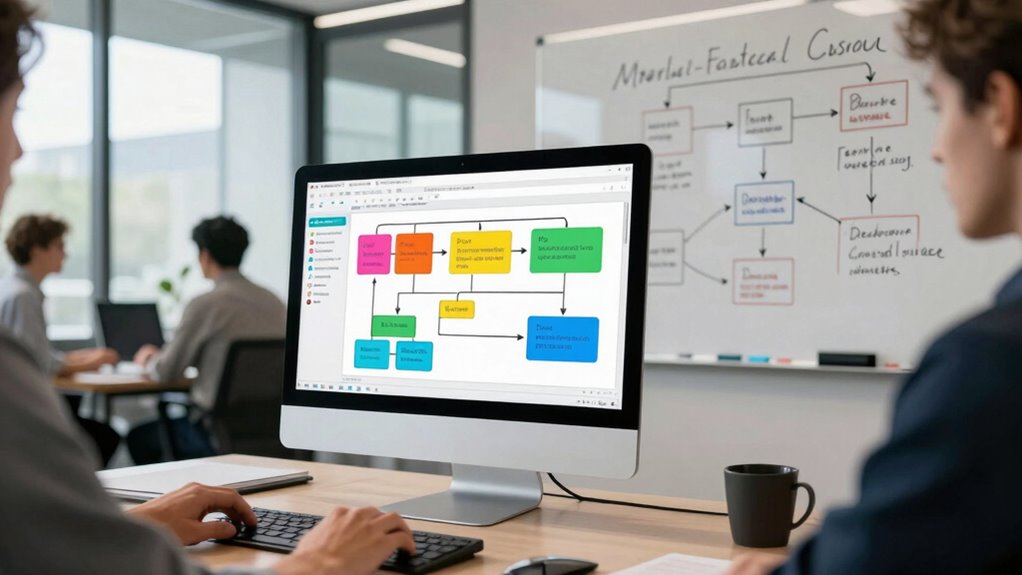

Building internal notification automation early in your lifecycle programs helps establish seamless communication, prevent information silos, and boost operational efficiency. You connect key systems like project management, CRM, and HR, ensuring updates flow smoothly across teams. This approach fosters trust, keeps everyone informed, and makes responses more timely. By investing early, you create a resilient, adaptable communication system that supports growth. Continue exploring how you can optimize these processes for long-term success.

Get business pricing on office and shipping supplies
- Business-only prices and quantity discounts
- Tax-exempt purchasing
- Multiple users, one account, clear invoices
Key Takeaways
- Establish core system integrations to ensure seamless, real-time notifications across departments from the outset.
- Implement scalable notification workflows that adapt as organizational processes evolve.
- Prioritize accurate, timely alerts to foster user engagement and build trust early in the program.
- Automate notifications to reduce manual effort and improve operational efficiency.
- Promote transparency and responsiveness to support a culture of openness and continuous improvement.
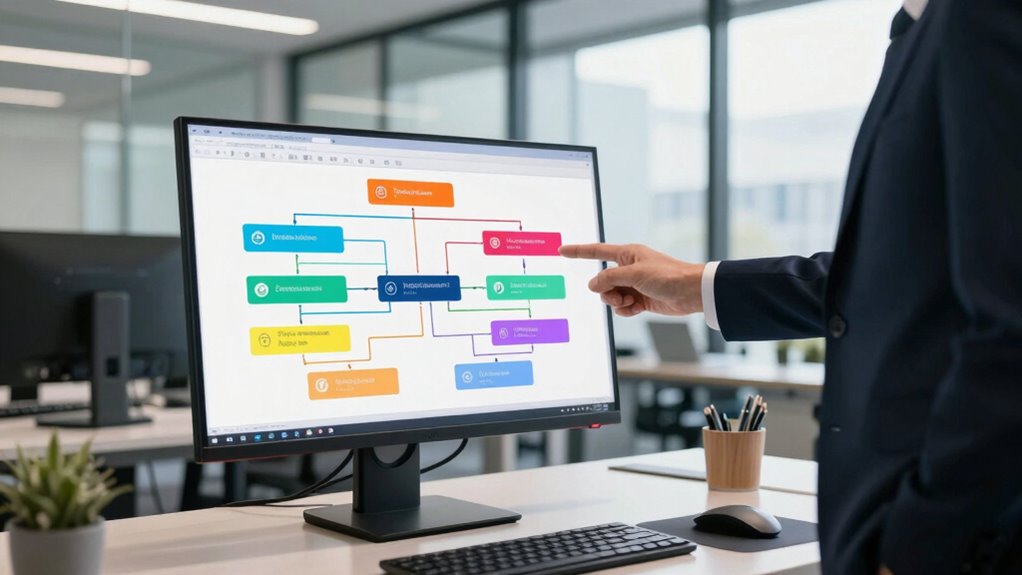
One of the key elements of a healthy lifecycle program is robust system integrations. When your notification automation is connected to core platforms—such as project management tools, CRM systems, or HR software—you guarantee that updates flow smoothly across different departments. This interconnectedness minimizes the risk of information silos and ensures that everyone stays informed, regardless of their role or location. For example, when a new client signs up, the sales team gets an immediate alert, while the support team is notified to prepare onboarding materials. These integrations make your notification system smarter, more responsive, and aligned with your organizational processes. Emphasizing digital marketing tools can further enhance these integrations by streamlining workflows and improving data accuracy. Additionally, integrating with core platforms ensures that your notifications are part of a cohesive digital ecosystem, reducing manual effort and increasing efficiency. Incorporating real-time data updates can also help keep notifications timely and relevant, further boosting operational effectiveness. Establishing seamless system connections early on can help prevent future integration challenges as your organization scales. Investing in automated workflows early also ensures that your notification system can adapt seamlessly as processes evolve, avoiding costly overhauls later.
Early investment in these integrations also promotes consistency in communication, which is essential for building trust. When your team sees that updates are accurate and arrive through familiar channels, they’re more likely to engage actively and rely on the system. This reduces the tendency to bypass notifications or seek out information manually, which can introduce errors or delays. As your lifecycle program matures, these integrated notifications become a backbone for operational transparency, keeping everyone on the same page effortlessly.
Furthermore, by focusing on user engagement and system integrations from the start, you establish a feedback loop that can guide future improvements. You’ll learn which notifications resonate most, how users prefer to receive updates, and where bottlenecks occur. This continuous refinement helps you build a more intelligent, adaptive communication system that evolves with your organization’s needs. In the long run, this proactive approach fosters a culture of openness and responsiveness, crucial traits for sustainable growth.
internal notification automation software
As an affiliate, we earn on qualifying purchases.
As an affiliate, we earn on qualifying purchases.
Frequently Asked Questions
How Does Automation Improve Notification Relevance for Users?
Automation improves notification relevance by enabling you to implement personalization strategies tailored to each user’s behavior and preferences. By analyzing user feedback, you can refine these notifications, ensuring they’re timely and meaningful. This targeted approach prevents users from feeling overwhelmed or disengaged, increasing the chances they’ll find your messages valuable. Ultimately, automation helps you deliver more personalized, relevant notifications that enhance user experience and foster stronger engagement.
What Are Common Challenges in Implementing Notification Automation?
Did you know 60% of users find irrelevant notifications annoying? When implementing notification automation, a common challenge is getting trigger timing right; if messages come too early or late, engagement drops. You also struggle to match notifications with user preferences, risking disengagement. Balancing timely alerts with personalized content requires careful planning and ongoing adjustments to guarantee your automation truly benefits users and enhances their experience.
How Can Automation Be Customized for Different User Segments?
You can customize automation for different user segments by leveraging user segmentation and personalization strategies. Start by dividing your audience based on behaviors, preferences, or demographics. Then, tailor notifications to match each segment’s needs and interests, making messages more relevant and engaging. Use dynamic content and timing adjustments to enhance personalization, ensuring your automation feels personalized and valuable, which boosts user engagement and satisfaction across all segments.
What Metrics Measure Notification Automation Success?
Did you know that 75% of users respond better to personalized notifications? To measure your notification automation’s success, track metrics like open rates, click-through rates, and conversion rates. You should also monitor user personalization effectiveness and establish feedback loops to refine your strategy. These metrics help you understand engagement levels and guarantee your automation adapts to user needs, ultimately boosting retention and satisfaction.
How Does Early Notification Impact User Engagement Over Time?
Early notification boosts user trust by providing timely, relevant updates, making users feel valued and informed. This proactive approach encourages ongoing engagement, reducing the chances of disengagement or churn. Over time, this leads to stronger engagement retention, as users develop a habit of relying on your notifications. Ultimately, early notifications foster a positive experience, strengthening user relationships and ensuring long-term loyalty.
system integration tools for business
As an affiliate, we earn on qualifying purchases.
As an affiliate, we earn on qualifying purchases.
Conclusion
By embracing internal notification automation early, you’re not just streamlining processes—you’re revolutionizing your team’s efficiency and engagement. Think of it as a secret weapon that transforms chaos into clarity, making your workflows smoother than ever imagined. Don’t wait until chaos consumes your projects; start building healthy lifecycle programs now, and watch your team thrive like a well-oiled machine. The future of seamless operations is in your hands—seize it today!
As an affiliate, we earn on qualifying purchases.
As an affiliate, we earn on qualifying purchases.
Halloween Picks
halloween
As an affiliate, we earn on qualifying purchases.