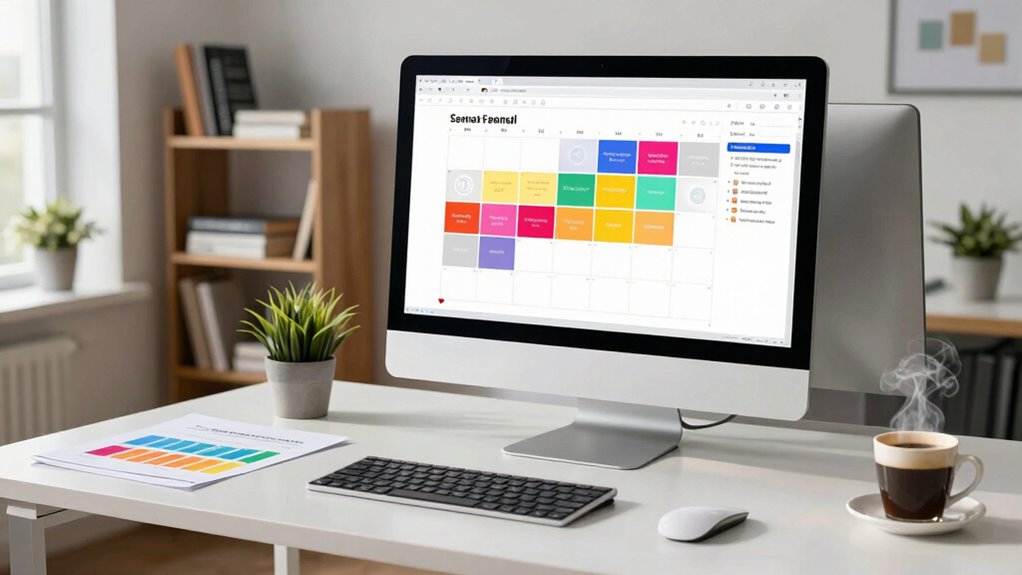

Focusing on a seasonal merchandising email calendar helps you build trust and long-term loyalty, often more effective than just offering discounts. When you send timely, relevant content, you stay top of mind and create emotional connections with your customers. This approach encourages repeat business and aligns your inventory with seasonal demand. By emphasizing value beyond discounts, you develop stronger relationships. Keep exploring how strategic timing and personalized messaging can boost your results even further.

Get business pricing on office and shipping supplies
- Business-only prices and quantity discounts
- Tax-exempt purchasing
- Multiple users, one account, clear invoices
Key Takeaways
- Long-term retention builds loyalty and consistent revenue, often outperforming short-term discounts in sustained growth.
- Personalized seasonal content fosters emotional connections, encouraging repeat purchases beyond discount-driven transactions.
- Well-timed, relevant emails maintain brand relevance and trust, reducing the need for constant discount offers.
- Strategic messaging aligned with seasons nurtures customer relationships and enhances brand perception over time.
- Focusing on value-driven content strengthens loyalty, making customers less reliant on discounts for future engagement.
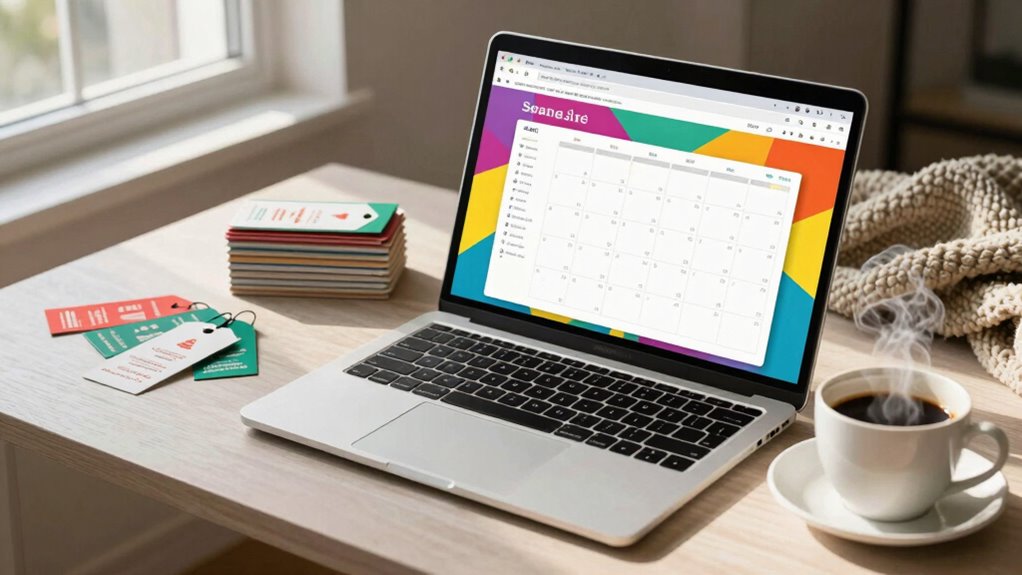
Creating a well-planned seasonal merchandising email calendar is crucial for maximizing your sales and engaging customers at the right times. When you align your email campaigns with seasonal trends, you’re more likely to catch your audience’s attention and foster ongoing customer engagement. Instead of relying solely on discounts, thoughtful timing and strategic messaging help build loyalty and keep your brand top of mind. By carefully planning your emails around key seasonal moments, you also improve inventory planning. You’ll know which products to promote and when to restock, reducing excess inventory and avoiding stockouts.
A critical piece of the puzzle is understanding that retention often beats another discount. While discounts can drive immediate sales, they don’t necessarily foster long-term loyalty. Customers are becoming more savvy—they appreciate brands that offer value beyond just slashed prices. By delivering relevant content during seasonal peaks, you create a sense of anticipation and relevance that encourages repeat business. For example, sending personalized gift guides or exclusive early access to new collections during holidays can make your customers feel valued, rather than just targeted for sales.
Timing is everything. If you send out emails too early, your message might get lost or ignored, but waiting too long can mean missing the seasonal window. Creating a detailed calendar ensures your campaigns go out at the right moments—think about early fall for back-to-school, late October for Halloween, or late November for Black Friday. This way, you’re not only maximizing customer engagement but also aligning your inventory with expected demand. Knowing when to push certain products helps prevent overstocking or understocking, saving your business money and boosting customer satisfaction. Incorporating seasonal trends into your planning can give you a competitive edge by keeping your offerings fresh and relevant.
Consistency also plays an important role. A seasonal email calendar keeps your messaging steady and predictable, so customers anticipate your offers. When you communicate regularly, they’re more likely to develop a relationship with your brand, which fosters trust and loyalty. Instead of sporadic discounts, you’re building a narrative that resonates with your audience, making your brand a part of their seasonal traditions. This approach encourages repeat visits and purchases, reinforcing the idea that your business understands and caters to their seasonal needs. Moreover, understanding your audience’s preferences allows for more personalized content, increasing engagement and loyalty over time.
Ultimately, a strategic seasonal merchandising email calendar is about more than just boosting sales—it’s about creating a meaningful customer experience. When you combine well-timed campaigns with personalized content and solid inventory planning, you’re setting the stage for sustained growth. Customers will appreciate your relevance and consistency, which makes them more likely to return, even when you’re not offering discounts. In the long run, retention and relationship building lead to a healthier, more profitable business. Recognizing that content relevance is key to customer retention helps you craft campaigns that truly resonate.
As an affiliate, we earn on qualifying purchases.
Frequently Asked Questions
How Can I Personalize Seasonal Emails for Different Customer Segments?
You can personalize seasonal emails by leveraging customer segmentation to target different groups effectively. Use data insights to tailor content, offers, and messaging based on purchasing behavior, preferences, or demographics. Incorporate personalized content that resonates with each segment, making your emails feel relevant and engaging. This approach boosts retention, as customers appreciate tailored experiences, encouraging them to stay loyal rather than just waiting for discounts.
What Metrics Should I Track to Measure Email Campaign Success?
You should track customer engagement metrics like open rates, click-through rates, and conversion rates to gauge your email success. Ironically, these numbers tell you more than sales alone, especially when paired with insights from email automation. By analyzing how customers interact, you can refine your strategies, boost retention, and foster loyalty—proving that engaging content often outperforms simple discounts in the long run.
How Early Should I Start Planning Seasonal Email Campaigns?
You should start planning your seasonal email campaigns at least 6-8 weeks in advance. Use timing strategies to guarantee your content calendar aligns with key dates and customer behaviors. This early planning allows you to develop relevant content, segment your audience effectively, and build anticipation. By preparing ahead, you’ll maximize engagement and retention, rather than rushing last-minute promotions that often underperform compared to strategic, well-timed campaigns.
What Are Common Mistakes to Avoid in Seasonal Merchandising Emails?
You should avoid cluttering your seasonal merchandising emails with inconsistent visual branding, which can confuse your audience. Also, don’t overdo email frequency; bombarding your subscribers can lead to fatigue and unsubscribes. Keep your messaging clear and engaging, aligning visuals with your brand identity. Preserve a balanced sending schedule to stay top-of-mind without overwhelming your audience. This approach boosts retention and ensures your seasonal campaigns resonate effectively.
How Can I Integrate Social Media With My Seasonal Email Strategy?
You can integrate social media with your seasonal email strategy by leveraging influencer collaborations and hashtag campaigns. Partner with influencers to create authentic content that aligns with your email themes, encouraging their followers to engage. Incorporate hashtag campaigns in your emails to foster community participation and boost visibility. This synergy increases engagement, drives traffic, and helps reinforce your seasonal messaging across multiple platforms, making your campaigns more effective and memorable.
personalized gift guides for holidays
As an affiliate, we earn on qualifying purchases.
As an affiliate, we earn on qualifying purchases.
Conclusion
Implementing a seasonal merchandising email calendar keeps your audience engaged and boosts retention. Instead of relying solely on discounts, focus on timely, personalized content that resonates with your customers. Did you know that retention-driven campaigns can generate up to 50% more revenue than acquisition efforts? By prioritizing relationship-building over constant discounts, you create loyalty and sustainable growth. Remember, consistent, relevant communication is your best tool for long-term success in retail.
inventory planning software for retail
As an affiliate, we earn on qualifying purchases.
As an affiliate, we earn on qualifying purchases.
seasonal promotional email templates
As an affiliate, we earn on qualifying purchases.
As an affiliate, we earn on qualifying purchases.
Fall Picks
fall essentials
As an affiliate, we earn on qualifying purchases.