
TL;DR

Get business pricing on office and shipping supplies
- Business-only prices and quantity discounts
- Tax-exempt purchasing
- Multiple users, one account, clear invoices
The European Central Bank reports that cash continues to be the most prevalent payment method in the euro area. Digital payments are growing but have not overtaken cash’s dominance. This impacts payment infrastructure and consumer habits.
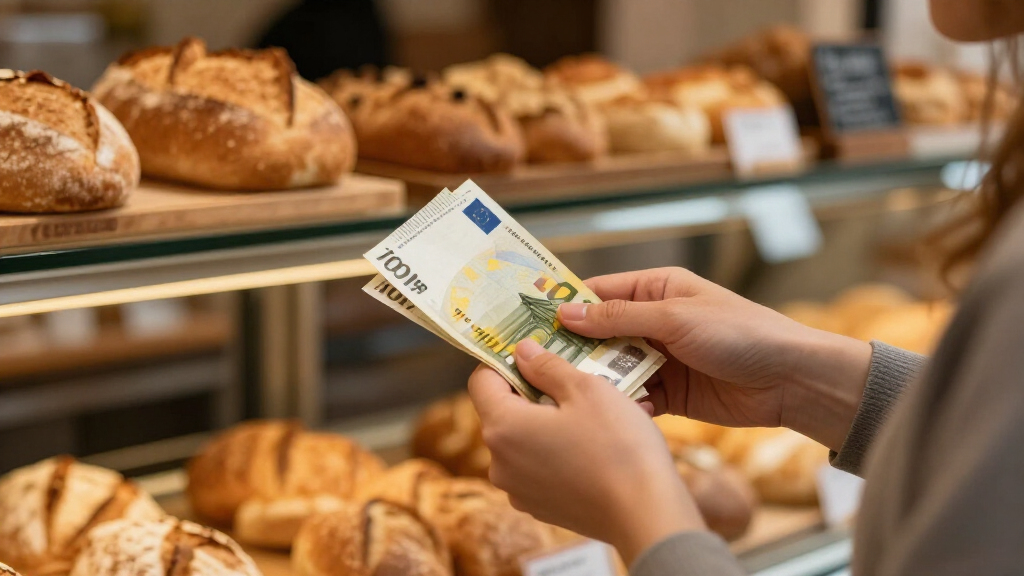
The European Central Bank (ECB) has confirmed that cash remains the most widely accepted payment method in the euro area. Despite the rise of digital payments, cash continues to be the primary means for transactions among consumers and businesses, highlighting its ongoing relevance in the region’s financial ecosystem. This confirmation underscores the persistence of cash usage amid ongoing digital transformation efforts.
According to the ECB’s latest report, cash transactions still account for the majority of payments in the euro zone, with an estimated around 70% of retail transactions conducted using physical currency. The report notes that while digital payment methods such as card payments, mobile wallets, and online banking have increased significantly over recent years, they have not yet displaced cash as the dominant payment form.
The ECB’s findings are based on recent surveys and transaction data collected across member states, reflecting consumer preferences and merchant acceptance levels. The report emphasizes that cash remains vital for various demographics, including older consumers and those in rural areas, where digital infrastructure may be less developed.
While the use of cash persists, the report also highlights a steady growth in digital payments, which now constitute approximately 30% of transactions, up from 20% five years ago. The ECB indicates that this trend is expected to continue, driven by technological advancements and increasing consumer comfort with digital tools.
Why Cash’s Dominance Matters in the Euro Area
The confirmation that cash remains the most widely accepted payment method has important implications for policymakers, financial institutions, and consumers. It underscores the importance of maintaining cash infrastructure and ensuring accessibility for all, especially vulnerable groups who rely on physical currency. Additionally, it highlights the need for a balanced approach in developing digital payment systems without sidelining cash, which still accounts for a significant share of transactions.
For businesses, this means continuing to support cash acceptance and managing the costs associated with cash handling. For policymakers, it emphasizes the importance of financial inclusion and the risks of over-reliance on digital systems, including cybersecurity threats and digital exclusion for certain populations.
As an affiliate, we earn on qualifying purchases.
Regional Trends and Past Developments in Payment Methods
Over the past decade, the euro area has seen a marked increase in digital payment adoption, driven by innovations in mobile banking, contactless cards, and online commerce. Despite these advances, cash usage has remained resilient, partly due to consumer preferences for privacy, immediacy, and trust in physical currency. The ECB has consistently reported that cash remains a key element of the region’s monetary system, especially during economic uncertainties or disruptions.
Previous surveys indicated a gradual decline in cash transactions, but recent data shows that the decline has plateaued. The COVID-19 pandemic initially accelerated the shift towards digital payments, yet cash retained its significant role, with many consumers and merchants continuing to prefer cash for certain transactions.
European policymakers have debated the future of cash, with some advocating for its phasing out in favor of digital solutions, while others emphasize the need to preserve cash access for all citizens. The ECB’s latest report reinforces the idea that cash will remain a vital component of the payment landscape for the foreseeable future.
“Cash remains the most widely accepted payment method across the euro area, reflecting its ongoing importance for consumers and merchants alike.”
— ECB spokesperson
As an affiliate, we earn on qualifying purchases.
Unclear Future of Cash in Digital Transition
While current data confirms cash’s dominance, it is still uncertain how long this will remain the case as digital payment adoption accelerates. The pace of technological change, regulatory developments, and consumer preferences could shift the landscape in the coming years. It is also unclear how potential policy measures might impact cash accessibility and usage in the euro area.
As an affiliate, we earn on qualifying purchases.
Monitoring Digital Payment Trends and Policy Responses
The ECB and national authorities are expected to continue monitoring payment trends and consumer preferences. Future reports may reveal whether digital payments further close the gap or if cash maintains its stronghold. Policymakers may also address issues related to financial inclusion and infrastructure support to ensure a balanced payment ecosystem.
As an affiliate, we earn on qualifying purchases.
Key Questions
Does cash still account for the majority of transactions in the euro area?
Yes, according to the European Central Bank, cash remains the most widely accepted and used payment method, accounting for about 70% of retail transactions.
Are digital payments growing fast enough to replace cash?
Digital payments are increasing and now make up around 30% of transactions, but they have not yet displaced cash as the dominant method.
Why does cash continue to be important despite digital options?
Cash is valued for privacy, immediacy, and accessibility, especially among certain demographics and in areas with limited digital infrastructure.
Could cash usage decline significantly in the near future?
While digital payments are growing, it is still uncertain how quickly cash usage will decline, as many factors, including policy and consumer preferences, influence this trend.
Source: primary
Halloween Picks
halloween
As an affiliate, we earn on qualifying purchases.