
To craft an effective customer feedback request email for valuable insights, keep it brief, personalized, and clear. Start with a friendly opening, explain why their feedback matters, and include a direct link or a visual button to the survey. Offer incentives if possible and send the email shortly after their interaction. Thank them genuinely for their time, and share how their input will lead to improvements. Continue exploring for a ready-to-use template that combines these key elements.
Key Takeaways
- Personalize the email with the customer’s name and specific interaction details to increase engagement.
- Keep the message brief, clearly stating the purpose and how feedback benefits improvements.
- Use a compelling subject line and include a direct link or button for easy survey access.
- Send the request promptly after the interaction to ensure feedback relevance and accuracy.
- Express appreciation, explain how feedback will be used, and consider offering incentives to motivate responses.
Ever wondered how to gather honest customer feedback effectively? The key lies in crafting thoughtful, targeted email requests that encourage genuine responses. To do this, you need to develop solid survey strategies that make it easy for your customers to share their thoughts. Start by designing brief, focused surveys that ask relevant questions. Long, complicated forms tend to discourage participation, so keep it simple and to the point. Use clear language and avoid jargon, ensuring your customers understand exactly what you’re asking. Incorporate a mix of multiple-choice questions and open-ended prompts to gather both quantitative and qualitative insights. Timing is essential—send your surveys shortly after a transaction or interaction when the experience is fresh in their minds. This guarantees the feedback is relevant and accurate.
Email personalization plays an important role in increasing response rates and building trust. When you personalize your emails, you show your customers that their individual experiences matter. Instead of generic greetings, address them by name and reference their specific interactions with your business. Mention the product or service they purchased or the service date, making the request feel tailored and relevant. Personalization also extends to the email content—use language that resonates with their experience, and explain why their feedback is valuable. When customers see that you genuinely care about their input, they’re more likely to engage. Additionally, understanding cultural significance and regional preferences can enhance the effectiveness of your feedback approach, especially if your audience spans diverse backgrounds.
Design your feedback email with clarity and appeal in mind. Keep the subject line concise and compelling—something like “Your Opinion Matters” or “Help Us Improve Your Experience.” Inside, start with a warm, appreciative tone to acknowledge their time and feedback importance. Clearly state the purpose of the survey and how their input will contribute to improvements. Including a direct link to the survey, along with a visual button, makes it easy for them to participate without extra effort. You might also consider offering incentives, like discounts or entry into a prize draw, to motivate responses.
Finally, always follow up after collecting feedback. Thank your customers for sharing their insights, and let them know how their feedback will influence your services. This not only demonstrates your appreciation but also encourages future engagement. By integrating effective survey strategies and email personalization into your feedback requests, you create a seamless, respectful process that inspires honest responses. This approach helps you gather valuable insights, improve customer satisfaction, and strengthen your relationship with your audience.
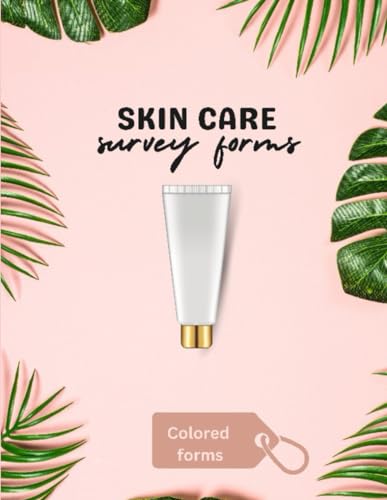
Skincare Survey Forms: Elevate Beauty Services with Customer-Driven Insights: sized 8.5 x 11 inches, 108 forms
As an affiliate, we earn on qualifying purchases.
As an affiliate, we earn on qualifying purchases.
Frequently Asked Questions
How Can I Personalize My Feedback Requests Effectively?
You can personalize your feedback requests effectively by using personalization strategies like addressing customers by their names and referencing their recent purchases. Utilize customer segmentation to tailor your messages based on demographics, behaviors, or preferences, making each request more relevant. This approach increases engagement and response rates, showing you value their individual experiences. Combining personalization strategies with segmentation helps create meaningful, targeted feedback requests that resonate with your customers.
What Timing Is Best for Sending Feedback Emails?
They say, “timing is everything,” and it’s true for feedback emails. To get valuable insights, you should use timing strategies that match your customers’ experiences. Send your requests shortly after a purchase or interaction, when the experience is fresh. Use email scheduling to determine ideal times—like mid-morning or early evening—when people are more likely to open and respond, ensuring your feedback request hits at the right moment.
How Do I Handle Negative Feedback Professionally?
When handling negative feedback, you should respond with professionalism and emotional intelligence. Acknowledge the constructive criticism openly, showing you value their honesty. Avoid defensiveness; instead, thank them for sharing their concerns. Use a calm tone, ask clarifying questions if needed, and focus on solutions. This approach not only demonstrates respect but also turns negative feedback into an opportunity for growth and improved customer relationships.
What Incentives Encourage More Customer Responses?
Think of incentives as magnets pulling in customer responses. You boost response rates by offering discount offers and enrolling customers in loyalty programs, making them feel valued and appreciated. These incentives act as a bridge, encouraging customers to share their honest feedback. When you show appreciation with rewards, you turn a simple request into a mutually beneficial exchange, increasing the chances they’ll reply and stay loyal to your brand.
How Can I Follow up Without Seeming Intrusive?
You can follow up with gentle persistence and an empathetic tone, showing you genuinely value their feedback. Wait a few days after the initial request, then send a polite reminder that emphasizes your appreciation for their time. Keep your message brief, friendly, and non-pressuring, making it clear you’re interested in their insights rather than pushing for a response. This approach encourages engagement without seeming intrusive.
email survey incentive tools
As an affiliate, we earn on qualifying purchases.
As an affiliate, we earn on qualifying purchases.
Conclusion
By sharing your feedback, you’re opening the door to a world of better service and smoother experiences. Think of your insights as the compass guiding us toward what’s truly valuable to you. Your voice is the spark that ignites positive change, so don’t hesitate to let us hear it. Together, we can navigate toward perfection, turning every interaction into a shining example of what’s possible when your opinion counts.

Comprehensive Customer Satisfaction Survey Form: Enhance Business Excellence: 108 forms pages of size 8.5×11 inches
As an affiliate, we earn on qualifying purchases.
As an affiliate, we earn on qualifying purchases.
survey link buttons for emails
As an affiliate, we earn on qualifying purchases.
As an affiliate, we earn on qualifying purchases.