
To stop reactive sending, develop a strategic content mix rooted in audience insights and a solid calendar plan. Personalize content based on subscriber preferences and segment your list to make messages more relevant. Plan your themes and campaigns proactively, balancing promotional, educational, and engaging content. This approach builds trust, boosts engagement, and prevents overwhelm. Keep controlling your content with a thoughtful schedule—stay with us to discover how a strategic plan transforms your newsletter communication.
Key Takeaways
- Develop a structured content calendar to plan balanced, proactive newsletter topics aligned with audience interests.
- Segment your audience to deliver highly relevant, personalized content that reduces reactive messaging.
- Incorporate diverse content types—educational, promotional, storytelling—to maintain engagement and avoid monotony.
- Use audience insights and data to anticipate needs, enabling strategic, rather than reactive, content creation.
- Regularly review and adjust your content strategy to ensure consistency, relevance, and long-term relationship building.
Are you struggling to keep your newsletter engaging and balanced? If so, you’re likely falling into the trap of reactive sending — reacting to every new trend or event without a clear content strategy. To break free from this cycle, it’s essential to develop a deliberate newsletter content mix that resonates with your audience. One of the most effective ways to do this is by implementing personalization strategies combined with audience segmentation. These tactics allow you to craft content that feels tailored and relevant, making your newsletters more engaging and less reactive.
Personalization strategies involve understanding your subscribers’ preferences, behaviors, and needs. When you tailor your content to match individual interests, your newsletters become more compelling and valuable. This might mean recommending products based on past purchases or sharing articles aligned with their reading habits. Audience segmentation takes this a step further by dividing your list into smaller, targeted groups. For example, you could segment by demographics, purchase history, or engagement levels. When you send tailored content to specific segments, it feels less like a generic broadcast and more like a personalized message crafted just for them.
Personalize content through understanding preferences and segmenting audiences for more targeted, relevant communication.
By combining these approaches, you gain control over your content calendar instead of constantly reacting to external triggers. Instead of scrambling to create content on the fly, you plan your newsletter content mix around themes, campaigns, and audience needs. This strategic approach ensures that your newsletter is a balanced blend of promotional, educational, and engagement-focused content. You might include product updates, industry insights, customer stories, and helpful tips, all aligned with your audience’s interests. This variety keeps your newsletter fresh and prevents it from feeling monotonous or overly sales-driven. Incorporating a structured content plan can help you stay consistent and intentional with your messaging, which is essential for building trust over time.
Additionally, a well-planned content mix helps you build trust and authority with your subscribers. When they receive relevant, personalized content regularly, they start viewing your brand as a valuable resource rather than just another sender in their inbox. This increases open rates, click-throughs, and overall engagement. It also reduces the temptation to send reactive, poorly thought-out messages that might overwhelm or annoy your audience. Moreover, a content calendar can serve as a roadmap to ensure your messaging remains aligned with your overall goals and audience interests. Creating a content strategy rooted in audience insights and consistent planning enables proactive communication rather than reactive updates.
Furthermore, establishing a consistent content strategy rooted in personalization strategies and audience segmentation allows you to anticipate your subscribers’ needs rather than constantly reacting to external events. You take control of your messaging, ensuring each newsletter delivers value and relevance. This approach is supported by the importance of a digital marketing mindset, which emphasizes strategic planning over reactive tactics. This not only keeps your audience engaged but also builds a stronger, more loyal community around your brand. Instead of feeling like you’re constantly playing catch-up, you’ll be setting the pace with thoughtful, targeted content that genuinely meets your subscribers’ needs.

AI for Small Business Success: Email Marketing: Automate Campaigns, Personalize Messages, and Turn Emails into Sales with Smart AI Tools
As an affiliate, we earn on qualifying purchases.
As an affiliate, we earn on qualifying purchases.
Frequently Asked Questions
How Often Should I Update My Newsletter Content Strategy?
You should update your newsletter content strategy at least quarterly to maintain content freshness and improve engagement metrics. Regular updates guarantee your content stays relevant and aligned with your audience’s interests. Monitor your engagement metrics consistently; if you notice declines or shifts in audience behavior, it’s time to revisit and refine your strategy. Staying proactive helps you avoid reactive sending and keeps your newsletters compelling and effective.
What Tools Can Help Analyze Newsletter Performance Effectively?
You can use tools like Mailchimp, HubSpot, or Campaign Monitor to analyze your newsletter performance effectively. They offer features like A/B testing, which helps you compare different subject lines or content, and click-through analysis, so you understand what resonates with your audience. These tools provide real-time insights, enabling you to optimize your content strategy and reduce reactive sending, ultimately boosting engagement and ROI.
How Do I Segment My Audience for Better Content Targeting?
You should start by analyzing your audience demographics to understand different groups within your subscribers. Use segmentation criteria such as location, purchase history, engagement levels, or interests to create targeted segments. This way, you can tailor your content to each group’s preferences, increasing relevance and engagement. Regularly review and refine your segments based on performance data to make certain your targeting stays effective and your content resonates with your audience.
What Are Common Mistakes in Creating a Content Mix?
You often make the mistake of neglecting content balance, which can overwhelm or bore your audience. Avoid overloading your newsletter with promotional content or too much educational material—strive for a balanced mix. Also, inconsistent brand messaging damages brand consistency, confusing your readers. Make sure your content aligns with your brand voice and goals, creating a seamless experience that maintains engagement and builds trust over time.
How Can I Personalize Content Without Overcomplicating?
Did you know personalized emails improve click rates by 14%? To keep it simple, focus on dynamic storytelling that resonates with your audience. Use visual personalization, like custom images or names, to make each recipient feel special without overcomplicating. Automate these touches through smart tools, so your content stays relevant and engaging, yet manageable. This way, you deliver meaningful experiences without adding unnecessary complexity.
![WavePad Audio Editing Software - Professional Audio and Music Editor for Anyone [Download]](https://m.media-amazon.com/images/I/B1fcLEGCs6S._SL500_.png "Newsletter Content Mix: The Smartest Way to Stop Reactive Sending 5")
WavePad Audio Editing Software – Professional Audio and Music Editor for Anyone [Download]
Full-featured professional audio and music editor that lets you record and edit music, voice and other audio recordings
As an affiliate, we earn on qualifying purchases.
As an affiliate, we earn on qualifying purchases.
Conclusion
By mixing your newsletter content strategically, you can prevent reactive sending and engage your audience more effectively. Imagine sending a personalized, timely update about a new product feature just as your subscribers are discussing similar needs in a community forum. This proactive approach not only boosts engagement but builds trust. Start experimenting with your content mix today—think beyond sales pitches and embrace relevant, valuable info that resonates with your readers, turning reactive moments into proactive opportunities.

CREATE Blog and Editorial Planner: Create Exceptional Content, Get More Done and Smash Through Your Blogging Goals
As an affiliate, we earn on qualifying purchases.
As an affiliate, we earn on qualifying purchases.
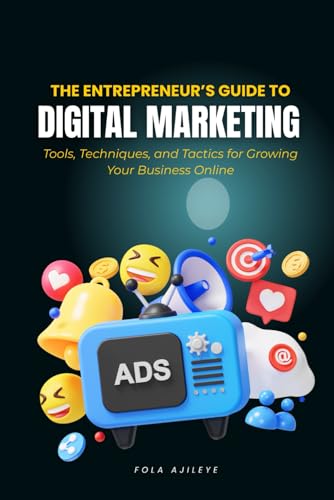
The Entrepreneur’s Guide to Digital Marketing: Tools, Techniques, and Tactics for Growing Your Business Online
As an affiliate, we earn on qualifying purchases.
As an affiliate, we earn on qualifying purchases.