
📊 Full opportunity report: Best Thermal Paste and Pads for High-TDP GPUs on ThorstenMeyerAI.com — validation score, market gap, and execution plan.

Get business pricing on office and shipping supplies
- Business-only prices and quantity discounts
- Tax-exempt purchasing
- Multiple users, one account, clear invoices
TL;DR
This article reviews the best thermal interface materials for high-TDP GPUs used in AI and continuous workloads. It highlights options like Honeywell PTM7950, Arctic MX-6, Noctua NT-H2, and Thermal Grizzly Kryosheet, explaining their suitability for long-term use.
For high-TDP GPUs running continuously in AI or inference workloads, Honeywell PTM7950 phase-change material is identified as the best long-term thermal interface material, resisting pump-out and maintaining stable temperatures over years, according to recent testing and user reports.
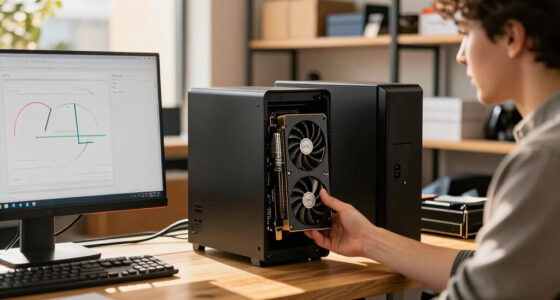
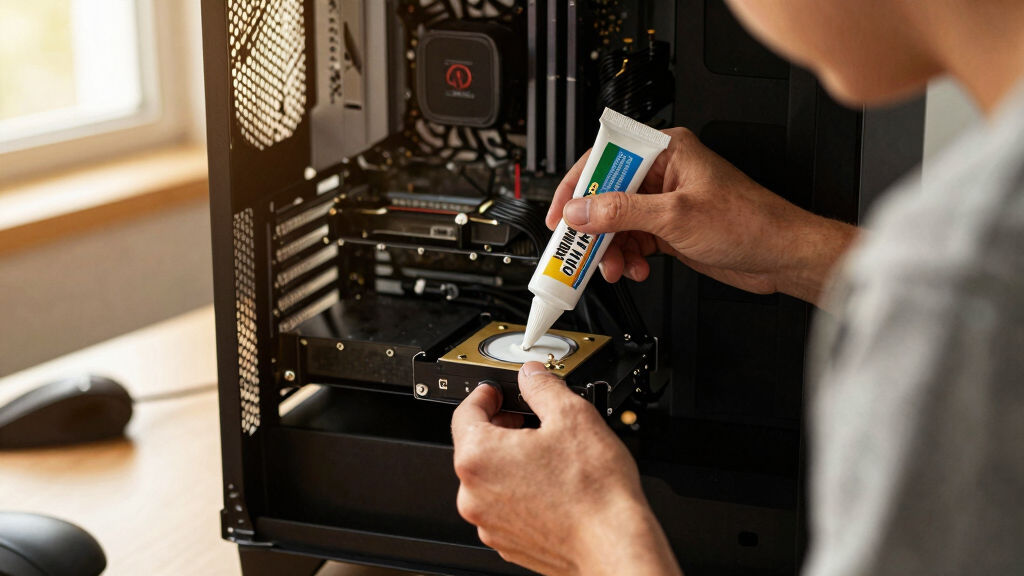
Traditional thermal pastes are often chosen based on immediate cooling performance, but for sustained workloads, long-term stability is critical. Honeywell PTM7950, a phase-change material, is designed specifically to resist pump-out—a common failure mode in continuous operation—making it ideal for 24/7 GPU use. It is a thin sheet that softens at operating temperature, providing consistent thermal contact over years. Arctic MX-6, a non-conductive traditional paste, offers an easier application process and lasts 8–10 years, making it suitable for users seeking a straightforward upgrade. Noctua NT-H2, a premium traditional paste, provides reliable, durable performance with a well-established reputation. For reusable options, Thermal Grizzly Kryosheet, a graphene-based thermal pad, offers a permanent solution that never dries out but requires careful handling due to its electrical conductivity. These options are particularly relevant for AI inference GPUs, which operate under continuous high load, unlike gaming GPUs that cycle between load and idle.Best thermal paste
for a high-TDP GPU.
The standard “coldest on day one” advice is wrong for a 24/7 rig. Continuous heat slowly squeezes traditional paste out — a failure called pump-out — so the real question is what stays cold for years.
Why Long-Term Thermal Stability Matters for AI GPUs
Choosing the right thermal interface material directly impacts GPU longevity, performance stability, and noise levels. For high-power, continuous workloads, materials like PTM7950 prevent thermal degradation over years, reducing maintenance and downtime. Proper thermal management can also enable quieter operation and extend GPU lifespan, which is critical for enterprise AI deployments and research facilities. This knowledge helps users select materials that match their workload profile, avoiding premature thermal failures and optimizing operational costs.As an affiliate, we earn on qualifying purchases.
Thermal Interface Material Choices in GPU Maintenance
Most consumer guides focus on gaming GPUs, prioritizing low initial temperatures with traditional pastes like Kryonaut. However, these are less suitable for continuous workloads, where pump-out causes long-term thermal performance decline. Phase-change materials like Honeywell PTM7950 have been developed specifically to address this issue, providing stable contact over years of operation. The trend toward AI and inference workloads has increased demand for materials that sustain high thermal conductivity without degradation, shifting focus from short-term performance to long-term reliability. This evolution underscores the importance of selecting appropriate thermal interface materials based on workload duration and intensity."For a GPU that runs constantly, the key is long-term stability—materials like Honeywell PTM7950 resist pump-out and keep temperatures stable over years, unlike traditional pastes that dry out."
— Thorsten Meyer, tech reviewer
phase-change thermal interface material for GPUs
As an affiliate, we earn on qualifying purchases.
As an affiliate, we earn on qualifying purchases.
Long-Term Performance Data for Phase-Change Materials
While Honeywell PTM7950 shows promising long-term stability in testing and user reports, comprehensive, long-duration real-world data remains limited, and some users report variability in application difficulty. Further testing over multiple years is needed to confirm its durability across diverse operating conditions.reusable graphene thermal pads for GPUs
As an affiliate, we earn on qualifying purchases.
As an affiliate, we earn on qualifying purchases.
Monitoring Long-Term GPU Temperatures and Material Performance
Users running high-TDP GPUs continuously should monitor their GPU temperatures and consider re-evaluating thermal interface materials after 1-2 years. Manufacturers may release updated formulations or new materials designed for even better long-term stability. Ongoing research and user feedback will refine best practices for thermal management in AI and inference workloads.long-lasting thermal paste for AI GPUs
As an affiliate, we earn on qualifying purchases.
As an affiliate, we earn on qualifying purchases.
Key Questions
Why is long-term stability more important than initial cooling performance?
Because sustained workloads cause traditional pastes to dry out or pump out, leading to increased temperatures and potential hardware failure over time. Materials resistant to pump-out maintain consistent cooling for years.
Can I switch from traditional paste to phase-change material on my GPU?
Yes, but application is more involved. Phase-change sheets require precise cutting and handling. They are best suited for dedicated, long-term setups where maintenance is minimized.
Are reusable thermal pads safe for high-TDP GPUs?
They can be effective and durable but require careful installation to avoid electrical shorts due to conductivity. Proper handling and precise placement are essential.
Does reapplying thermal paste improve GPU temperatures?
Yes, especially if the current paste has dried out or degraded. Using a suitable high-quality paste can lower temperatures and improve stability.
What is the main factor to consider when choosing thermal interface materials for AI workloads?
Long-term stability under continuous high heat, specifically resistance to pump-out and thermal degradation over years.
Source: ThorstenMeyerAI.com
Halloween Picks
halloween
As an affiliate, we earn on qualifying purchases.