
🔍 Read the full analysis: Could An Alarm Stop Hackers From Disrupting A Blood Bank's Plasma Freezers? on ThorstenMeyerAI.com

Get business pricing on office and shipping supplies
- Business-only prices and quantity discounts
- Tax-exempt purchasing
- Multiple users, one account, clear invoices
TL;DR
France’s national blood service, the EFS, says a cybersecurity incident involving a refrigeration contractor’s remote supervision system affected cold rooms at three sites overnight on Nov. 1–2. Alarms and an on-call technician detected rising temperatures, plasma was moved as a precaution, and the EFS reports no health impact or loss of blood products. A reported 110°C was a controller setting, not a measured room temperature.
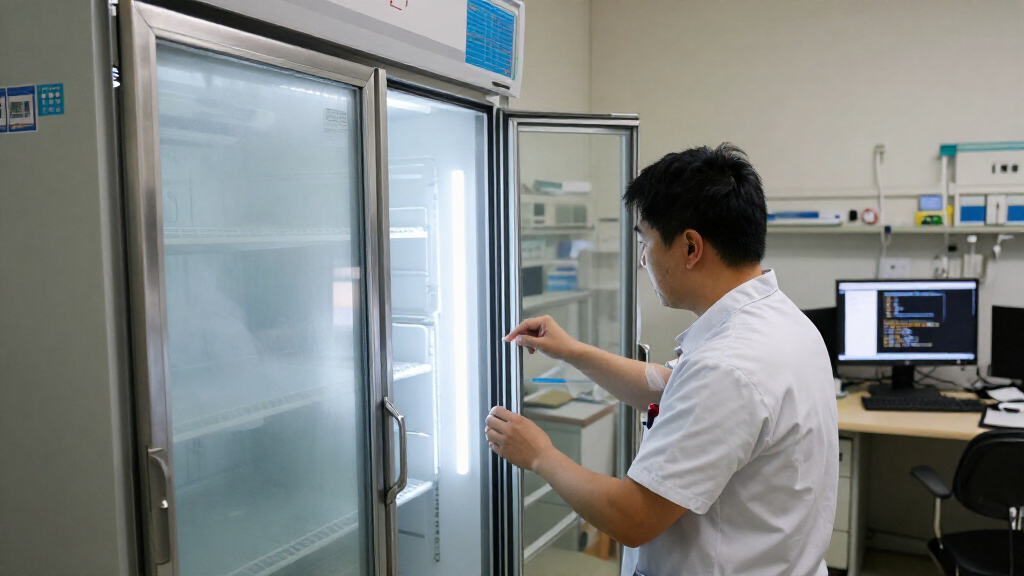
France’s national blood service says a cybersecurity incident at a refrigeration contractor affected cold-room control systems at three EFS sites overnight from Nov. 1 to Nov. 2, prompting staff to move stored plasma as a precaution. The EFS reports that its alarms detected the changes quickly and that no health impact or loss of blood products has been identified.
In a statement issued Nov. 3 and reported by franceinfo and Next, the Établissement français du sang (EFS) said a contractor involved in its refrigeration equipment had been the victim of a cybersecurity incident. The affected systems supervised and controlled cold rooms at three of the service’s sites. According to the EFS, temperature and defrost thresholds were changed to very high settings. The agency did not specify the numbers in its statement.
Le Canard enchaîné reported that the rooms were set to +110°C, rather than their usual operating level of about −30°C. That figure refers to a controller’s target setting, not a temperature measured in the rooms; no source cited in the reporting says the rooms reached 110°C. The EFS said the rooms held plasma for transfusion and plasma intended for fractionation, a process used to make medicines.
The EFS said its monitoring and alarm systems identified the anomalies quickly. An on-call technician responded, the equipment was brought under control or switched off, and the products were moved to other installations. The agency said technical teams were working with France’s national cybersecurity agency, ANSSI, and the health ministry, while temperature monitoring across EFS equipment was increased.
Infographic 01 · 110 °C, explained
A setting, not a temperature
Someone raised the targets of plasma cold rooms at France’s blood service to +110 °C. The rooms never got there. What mattered was the alarm.
Frozen plasma has to stay at or below this line. The danger was thawing, not boiling. A few degrees too warm can already mean discarding bags.
- +110 °CThe programmed setpointTyped into the controller (Canard). Never reached, never measured.
- ~+50 °CHottest reported in the supermarket waveDefrost heaters forced on, same night (AFP, ZDFheute)
- −25 °CThe line that mattersFrozen plasma is stored at −25 °C or colder (EDQM guide via ISBT)
- −30 °CNormal operation of the EFS cold roomsAs reported by Le Canard enchaîné
Why the alarm won
- DetectionEFS monitoring and alarms flagged the anomaly quickly (EFS)
- A person on callAn on-call technician saw the temperature rise in the night (Canard)
- A plan BThe plasma was moved to other installations as a precaution (EFS)
Sources: EFS communiqué, 3 Nov 2026, via franceinfo · Le Canard enchaîné, as reported by Solutions Numériques · ISBT, citing the EDQM Guide · AFP via Al Jazeera, 4 Nov · ZDFheute, 3 Nov. The 110 °C and −30 °C figures come only from Le Canard enchaîné; the EFS gives no number.
Powered by Thorsten Meyer AI
How Alarms Protected Stored Plasma
The incident shows how a cyberattack on an operational system can create a physical risk without directly accessing or contaminating a product. Frozen plasma must remain within strict storage conditions: European guidance cited by the International Society of Blood Transfusion says fresh frozen plasma is stored at −25°C or colder. If temperatures rise enough, products may no longer be suitable for their intended use, potentially affecting supplies for transfusions and medicines.
In this case, the EFS says alarms and staff response allowed products to be moved before any loss was reported. That outcome depended not only on detecting an abnormal setting but also on having an on-call technician and other storage locations available. The incident is a reminder that remote access used for maintenance can become a route to systems that control essential equipment. The source material does not establish whether the attacker intended to cause harm or how long the settings remained altered.
Popular right now

Dreame L50 Ultra Robot Vacuum and Mop Combo

Bose QuietComfort Wireless Noise-Cancelling Headphones, Cypress Green

Vitamix 5-Speed Immersion Blender 3-Piece Bundle with Whisk and Storage Case
As an affiliate, we earn on qualifying purchases.
The Contractor Access at Issue
The EFS is France’s national blood service, responsible for collecting donations and supplying hospitals. Its statement described the affected party only as a refrigeration equipment contractor and did not name the company. Le Canard enchaîné identified the contractor as Coolworld; that identification has not been confirmed by the EFS in the account provided, and Coolworld had not publicly commented, according to the source material.
The incident took place on the same night as a second wave of attacks affecting supermarket refrigeration systems in several European countries. The supplied reporting says at least 11 countries were affected, and that two groups describing themselves as pro-Russian later claimed responsibility for the supermarket attacks in a video. Those claims are unverified, the posts were deleted, and no government had publicly attributed the attacks to a perpetrator. No authority has linked the supermarket incidents to the EFS case, so the shared timing does not establish a connection.
““The EFS monitoring and alarm systems made it possible to identify these anomalies quickly.””
— Établissement français du sang, statement issued Nov. 3
What Investigators Have Yet to Establish
The EFS has not publicly named the refrigeration contractor or disclosed the two affected sites beyond one reported location in Bourgogne-Franche-Comté. The 110°C figure comes from reporting by Le Canard enchaîné, not from the EFS statement. No measured temperature near 110°C has been reported, and the available material does not say how high the rooms actually became or how long the altered settings were in place.
The public information also does not identify who accessed the supervision system, explain how access was obtained, or state whether the contractor’s credentials or systems were compromised. Investigators have not publicly connected this incident to the contemporaneous supermarket refrigeration attacks. The EFS’s statement that no product loss or health impact was identified describes the situation reported so far; it does not supply further details about individual products or the technical investigation.
Cybersecurity Review and Temperature Checks
The EFS says technical teams are working with ANSSI and the health ministry. It has also stepped up temperature monitoring across its equipment. The next public information may clarify how the remote supervision system was accessed, what safeguards were in place, and whether the contractor or authorities identify a broader exposure.
For now, the confirmed operational response is that alarms flagged the anomaly, staff moved the plasma, and the EFS reports no loss of blood products or health impact. Further conclusions about responsibility, motive, links to other attacks, or changes to contractor access controls remain pending.
Key Questions
Did plasma reach 110°C?
No such measured temperature has been reported. The 110°C figure reported by Le Canard enchaîné was a setting entered into a controller, not a reading from a thermometer in the cold rooms.
Were blood products lost or patients harmed?
The EFS said no loss of blood products and no health impact had been identified. It said the plasma was moved to other installations as a precaution.
How did staff detect the problem?
The EFS said its monitoring and alarm systems identified the abnormal settings quickly. Reporting also says an on-call technician noticed rising temperatures during the night.
Who was responsible for the incident?
No responsible person or group has been identified in the supplied reporting. The EFS described a contractor as the victim of a cybersecurity incident but did not name it; Le Canard enchaîné reported that the contractor was Coolworld.
Was the blood-bank incident linked to attacks on supermarket refrigeration?
The incidents happened on the same night, but no authority has linked them. Claims by groups about the supermarket attacks are unverified and do not establish responsibility for the EFS incident.
Source: ThorstenMeyerAI.com