📊 Full opportunity report: How Benefit Check Bots Support Social Care And Safety-Net Program Outreach on IdeaNavigator AI — validation score, market gap, and execution plan.

Get office and shipping supplies delivered free — and shop member deals
- Fast, free delivery on millions of items
- Access to Prime Big Deal Days deals on October 6–7
- Prime Video, Amazon Music and more included
TL;DR
Benefit check bots are being tested to assist clinics and nonprofits in rapidly screening low-income clients for multiple benefits programs. This innovation aims to reduce manual effort, increase benefit uptake, and fill a gap left by the shutdown of a key nonprofit. The initiative could transform social care outreach and eligibility verification.
Benefit check bots are being tested as a tool to support social care outreach by rapidly screening low-income clients for eligibility across dozens of federal, state, and local benefits programs. The initiative aims to address the longstanding challenge of unclaimed benefits, which amount to over $100 billion annually, by providing clinics, nonprofits, and government agencies with a fast, accurate, and multilingual screening tool. This development comes after the closure of Benefits Data Trust, a major nonprofit that previously handled benefits enrollment across seven states, leaving a significant capacity gap.
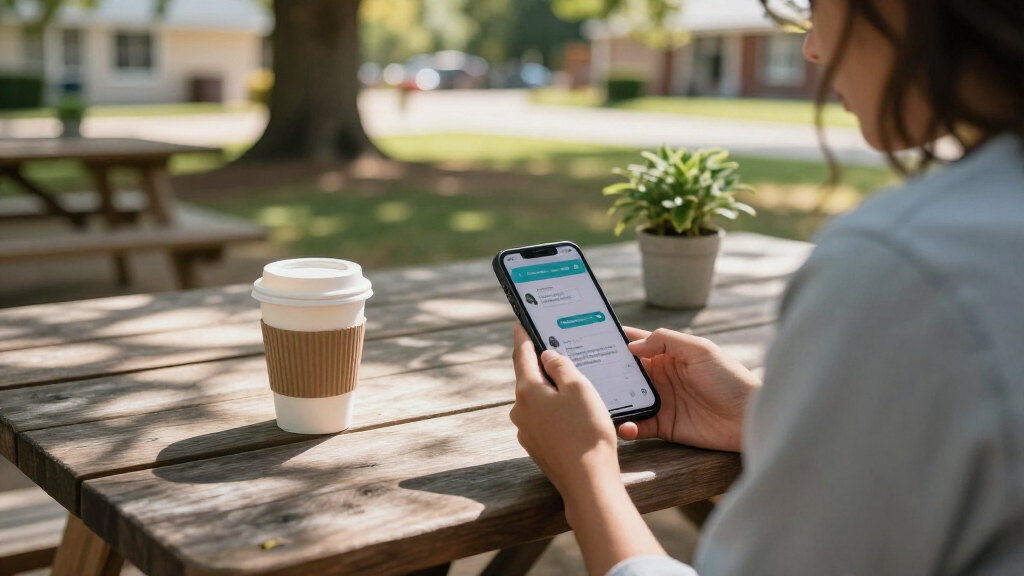
The benefit check bot, developed as a white-label SaaS solution, asks clients a short series of yes/no and multiple-choice questions via web or SMS interfaces. It then generates a list of likely-eligible programs such as SNAP, Medicaid, EITC/CTC, WIC, and LIHEAP, along with estimated benefits and next-step application links. The initial pilot involves 5-10 benefits navigators at FQHCs and community nonprofits in two states, who will use the tool to screen over 100 clients over 4-6 weeks.
This technology is positioned to reduce the manual screening time, improve accuracy, and identify benefits that clients may not have previously known they qualified for. It leverages conversational AI to deliver multilingual support at near-zero marginal cost, a significant advantage over traditional call centers. The pilot aims to measure improvements in screening efficiency, benefit identification rates, and navigator satisfaction.
This development is significant because it addresses a critical gap in benefits access for low-income populations. With over $100 billion in unclaimed benefits annually, improving screening accuracy and speed can lead to increased benefits uptake, reducing poverty and food insecurity. Additionally, the automation reduces workload for frontline staff, allowing them to serve more clients effectively. The shift to AI-enabled screening could modernize social care systems, making benefits enrollment more accessible and less burdensome for both clients and providers.
As an affiliate, we earn on qualifying purchases.
Post-Pandemic Benefits Redeterminations and Capacity Gaps
The launch of benefit check bots is occurring in a context where traditional benefits enrollment and redetermination processes have faced increased strain. The shutdown of Benefits Data Trust in 2024 removed a major capacity for benefits screening and enrollment, leaving clinics and state agencies to handle these tasks with limited resources. Meanwhile, the post-pandemic Medicaid ‘unwinding’ redeterminations have forced tens of millions of Americans through eligibility checks, often exposing gaps in outreach and processing capacity.
At the same time, advances in conversational AI and the urgent need to streamline benefits access have created opportunities for technology-driven solutions. Pilot programs in select states are testing whether AI chatbots can effectively and efficiently identify eligible clients and facilitate benefits applications, potentially filling the capacity void left by the nonprofit’s closure.
multilingual benefits eligibility tool
As an affiliate, we earn on qualifying purchases.
As an affiliate, we earn on qualifying purchases.
Uncertainties Around Pilot Outcomes and Scalability
It is not yet confirmed how effectively the benefit check bot will perform at scale, or whether it will significantly increase benefits enrollment compared to traditional manual screening. The pilot results are still being collected, and questions remain about long-term accuracy, client engagement, and integration with existing systems. Additionally, regulatory and privacy considerations for handling sensitive client data in AI tools are still being addressed.
social services client intake forms
As an affiliate, we earn on qualifying purchases.
As an affiliate, we earn on qualifying purchases.
Next Steps for Pilot Evaluation and Broader Adoption
Over the coming weeks, participating organizations will analyze pilot data to assess improvements in screening efficiency, benefits identified, and client satisfaction. If results are positive, plans may include expanding the pilot to additional states, integrating the bot more deeply into workflows, and exploring outcome-based contracts with health plans and Medicaid managed care organizations. Broader adoption will depend on demonstrated success and addressing regulatory, privacy, and funding considerations.
benefits eligibility assessment tools
As an affiliate, we earn on qualifying purchases.
As an affiliate, we earn on qualifying purchases.
Key Questions
How does the benefit check bot work?
The bot asks clients a series of yes/no and multiple-choice questions via web or SMS, then generates a list of programs they likely qualify for, with estimated benefits and next steps.
Who is testing the benefit check bot?
FQHCs and community nonprofits in two states are participating in a pilot program to evaluate its effectiveness in real-world settings.
Will the bot replace human navigators?
The bot is intended as a support tool to assist navigators by reducing screening time and increasing accuracy, not to replace human staff entirely.
What benefits programs can the bot screen for?
The initial focus includes SNAP, Medicaid, EITC/CTC, WIC, and LIHEAP, with potential to expand to other programs based on pilot results.
When will wider deployment happen?
Wider deployment depends on pilot success, with evaluations ongoing over the next 4-6 weeks, and potential expansion in the following months.
Source: IdeaNavigator AI
Halloween Picks
halloween
As an affiliate, we earn on qualifying purchases.