

The biggest mistake that makes personalization feel fake is relying on broad segmentation based solely on demographics or superficial data. This approach treats your audience like incomplete data points rather than full individuals, ignoring their unique preferences, cultural nuances, and emotional cues. When campaigns lack personal nuance, they seem superficial, insincere, and disconnected. To build genuine connections, you need to recognize these pitfalls and incorporate real insights, empathy, and cultural awareness—continue exploring so you can create truly authentic personalization.
Key Takeaways
- Over-relying on broad demographic segments ignores individual nuances, leading to generic and insincere personalization.
- Ignoring cultural and emotional cues results in messaging that feels impersonal and disconnected.
- Treating audiences as static data points rather than dynamic individuals diminishes authenticity.
- Focusing solely on data points without understanding personal stories creates superficial engagement.
- Lack of cultural sensitivity and emotional intelligence causes campaigns to seem fake or stereotypical.
Why Poor Segmentation Undermines Personalization

Poor segmentation can considerably weaken your personalization efforts because it causes you to target the wrong audiences or deliver irrelevant content. When you lack emotional intelligence, you miss cues about your audience’s needs, preferences, and cultural context. Without this awareness, your messages may come across as insensitive or disconnected, reducing engagement. Cultural awareness helps you understand diverse perspectives and tailor your content respectfully. Failing to segment properly means you’re treating your audience as a monolith, which undermines trust and diminishes the effectiveness of your campaigns. You risk alienating potential customers and wasting resources on ineffective outreach. To truly personalize, you must develop emotional intelligence and cultural awareness, ensuring your segmentation accurately reflects the complexity and diversity of your audience. Additionally, recognizing cultural differences can improve your ability to connect authentically with varied groups. Developing audience segmentation that considers emotional and cultural factors enhances the relevance and authenticity of your messaging. Understanding the history and significance of haute couture can also inspire more refined and culturally sensitive personalization strategies. Incorporating Cultural awareness into segmentation processes helps brands build more meaningful connections and avoid missteps that can damage reputation. Moreover, leveraging data from waterproof running watches and other specialized gear can provide deeper insights into customer preferences, enabling more precise targeting.
The Common Mistake: Treating Your Audience Like Data Points

Many marketers make the mistake of seeing their audience as just data points instead of real people. They often rely only on demographics and overlook personal nuances and individual preferences. This approach misses the depth needed for meaningful, effective personalization. Recognizing the importance of media literacy can help marketers better interpret audience behaviors and build genuine connections. Understanding audience segmentation enables marketers to move beyond surface-level data and appreciate the unique stories and motivations behind each individual. A deeper understanding of cryptid mysteries can reveal how folklore influences perceptions and behaviors, enriching personalization strategies. Developing cultural awareness allows brands to connect more authentically with diverse audiences and avoid superficial engagement. Additionally, integrating insights from Greek Sceptic philosophies encourages critical thinking about assumptions regarding audience data.
Overlooking Personal Nuance
When you focus solely on numbers and categories, it’s easy to forget that behind every data point lies a unique individual with personal nuances. Ignoring these nuances can lead to generic messaging that feels impersonal. Consider these key aspects:
- Cultural nuances that influence behavior and preferences. Recognizing personalization best practices ensures your messages resonate on a deeper level.
- Emotional intelligence that shapes how messages are received. Developing this skill helps you adapt your tone to different audience segments.
- Personal experiences that shape individual motivations. Tailoring content to reflect these experiences can significantly boost engagement.
- Subtle cues that reveal deeper values and beliefs. Paying attention to these cues allows for more authentic and meaningful connections.
- Recognizing the importance of Free Floating elements that can subtly influence perceptions and engagement. Additionally, understanding Vetted data ensures that your personalization efforts are based on accurate and reliable insights, making your messaging more authentic. Being aware of Market Dynamics, such as current trends in Gold IRA investments, can also help tailor your approach to meet audience expectations more effectively. Incorporating Halal standards into your content can further demonstrate respect for diverse values and foster greater trust.
Relying Solely on Demographics
Relying solely on demographics can cause you to treat your audience like mere data points rather than real people. This approach limits your ability to build genuine audience empathy, which is essential for meaningful connections. When you focus only on age, gender, or location, you risk overlooking the cultural relevance of your messaging. People are more than just numbers; their experiences, beliefs, and values shape how they respond to your content. Recognizing the importance of well-sourced personality insights can help you develop a more nuanced and authentic understanding of your audience. Incorporating audience segmentation strategies that consider individual preferences and motivations can further refine your approach and create more meaningful connections. Ignoring these nuances may lead to generic messaging that doesn’t truly resonate and can make your efforts feel inauthentic or superficial.
Ignoring Individual Preferences
Focusing solely on demographic data can lead you to treat your audience as static data points rather than dynamic individuals. Ignoring customer preferences and audience nuances results in missed opportunities for genuine connection. To truly personalize, consider these factors:
- What specific interests drive your audience’s engagement?
- How do their behaviors change over time? Recognizing behavioral patterns can provide deeper insights into their evolving needs.
- Which communication styles resonate with them?
- What individual goals motivate their actions?
- Recognizing global disruptions and their impact can help tailor your messaging to current realities, especially considering how environmental factors like water sources influence consumer behaviors and preferences. Developing an awareness of personalized engagement strategies can significantly enhance your ability to connect authentically.
How Generic Segmentation Creates Fake Personalization
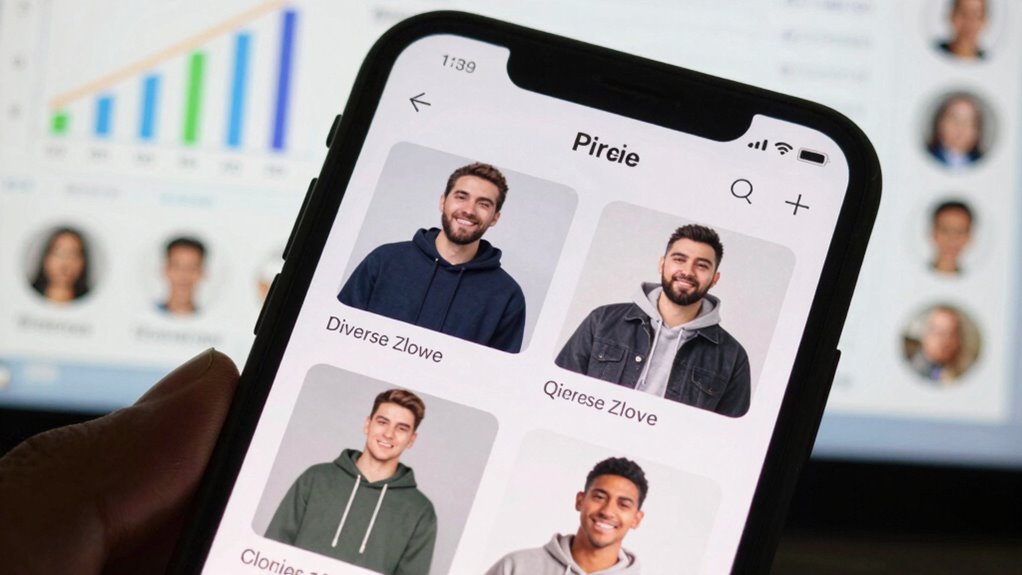
When you use broad segments, your messaging feels impersonal and disconnected. Lacking personal context makes it seem like you’re ignoring individual needs, which can come across as insincere. This fake personalization can damage trust and reduce engagement.
Overly Broad Segments
Ever wondered why some personalized marketing efforts feel empty or disconnected? It’s often because of overly broad segments. When you rely on generic customer segmentation, you risk grouping diverse audiences into one size fits all categories, diluting relevance. This approach hampers effective audience targeting, making messages seem impersonal. Here’s what happens:
- You miss nuanced customer needs
- Your campaigns lack meaningful engagement
- Customers feel misunderstood
- The personalization appears fake
Instead of broad segments, focus on smaller, more specific groups. Narrower segments allow you to craft targeted messages that resonate. Overly broad segments make personalization feel superficial, reducing trust. Effective customer segmentation sharpens your audience targeting and creates authentic, meaningful connections.
Lack Personal Context
Generic segmentation often leads to campaigns that feel personal in name only. Without personal context, your messages lack emotional intelligence, making them seem superficial or insincere. When you ignore individual experiences and cultural sensitivity, your outreach misses the mark, failing to resonate deeply with your audience. People crave relevance that considers their unique backgrounds and emotions, not just generic data points. By neglecting personal context, you risk coming across as disconnected or robotic, which damages trust. To create authentic personalization, you need to understand what matters to your audience on a personal level. This means moving beyond broad segments and embracing insights that reflect their true preferences, feelings, and cultural nuances. Only then can your campaigns truly feel genuine and engaging.
Perceived Insincerity
Using overly broad segmentation, marketers often create campaigns that appear personalized but lack genuine sincerity. This leads to perceived insincerity, where your audience senses the effort isn’t authentic. When messages feel generic, it shows a lack of emotional intelligence and cultural sensitivity, which damages trust. To avoid this:
- Rely on detailed customer insights rather than stereotypes.
- Show empathy by addressing individual needs, not assumptions.
- Tailor content to reflect cultural nuances, avoiding one-size-fits-all messaging.
- Be transparent about your intentions, demonstrating genuine care.
When you prioritize emotional intelligence and cultural sensitivity, your personalization feels real — not fake. This honesty fosters stronger connections and builds loyalty, making your audience feel truly understood. Avoiding perceived insincerity is key to genuine engagement.
How to Recognize When Your Segmentation Misses the Human Touch

How can you tell if your segmentation efforts are falling flat and missing the human touch? One sign is if your messaging feels impersonal or generic, despite your efforts. Pay attention to emotional intelligence—are your interactions understanding and responding to genuine customer feelings? If not, your segmentation might lack empathy. Additionally, consider cultural awareness: ignoring cultural differences can make your outreach seem insensitive or out of touch. When customers react with indifference or frustration, it’s a clear indicator that your segmentation isn’t capturing their true needs or identities. Authentic personalization requires more than data; it demands you recognize and respect emotional nuances and cultural contexts. If you notice these signs, it’s time to reevaluate your approach and focus on fostering genuine human connections.
Strategies to Personalize Authentically Without Over-Segmentation

To personalize authentically without falling into the trap of over-segmentation, focus on building a flexible framework that emphasizes quality over quantity. Use emotional intelligence to understand your audience’s core needs and motivations, enabling genuine connections. Incorporate storytelling techniques that resonate emotionally and create a sense of relatability. Here are four strategies:
Build genuine connections through flexible, empathetic personalization rooted in storytelling and real-time insights.
- Prioritize insights over labels, understanding individual stories behind behaviors.
- Develop dynamic segments based on real-time interactions, not fixed categories.
- Use personalized messaging that reflects genuine empathy and authenticity.
- Leverage data responsibly, ensuring privacy while capturing meaningful context.
Tips for Genuine Personalization That Respects Your Audience’s Individuality

Genuine personalization honors your audience’s individuality by focusing on meaningful connections rather than superficial data points. To foster emotional connection, listen actively to your audience’s needs and preferences, showing that you truly understand them. Use personalized messages that reflect their interests and values, avoiding generic or overly segmented content. Prioritize genuine engagement by creating authentic interactions, such as asking for feedback or sharing relatable stories. This approach builds trust and encourages loyalty, making your audience feel valued and seen as individuals. Remember, personalization isn’t just about data; it’s about connecting on an emotional level. When you respect their uniqueness, your audience is more likely to engage sincerely, leading to more meaningful relationships and long-term success.
Case Studies: Brands That Successfully Avoid Fake Personalization

Several brands have set a powerful example by successfully implementing authentic personalization strategies that resonate with their audiences. They understand consumer psychology and craft brand storytelling that feels genuine. Here are four ways they do it:
- They use data wisely, focusing on meaningful insights rather than broad segmentation.
- They craft personalized experiences that tell a story, making customers feel seen and valued.
- They avoid stereotypes, instead highlighting individual preferences and behaviors.
- They maintain transparency, building trust through honest communication.
Actionable Steps to Improve Your Segmentation and Build Real Connections

Improving your segmentation starts with focusing on quality over quantity. To build real connections, personalize messages that evoke genuine emotional responses. Use storytelling techniques to craft narratives that resonate with your audience’s experiences and values. This approach helps foster trust and authenticity.
Consider these actionable ideas:
| Focus Area | Strategy | Example |
|---|---|---|
| Customer Insights | Gather emotional data through surveys | Ask about motivations, fears, and dreams |
| Content Personalization | Use storytelling techniques in messaging | Share relatable stories that reflect customer journeys |
| Segmentation Precision | Create smaller, meaningful segments | Segment by behavioral triggers, not just demographics |
| Engagement Tactics | Use targeted, emotional appeals | Highlight how your product impacts their lives |
Final Thoughts: Making Your Personalization Truly Human
To truly make your personalization feel human, it’s important to go beyond just segmenting and messaging. Authentic storytelling and customer empathy are key to forging genuine connections. Here’s how you can achieve that:
- Share real stories that resonate with your audience’s experiences.
- Listen actively to understand what truly matters to your customers.
- Personalize interactions based on individual needs, not just data points.
- Show genuine concern and care, making your customers feel valued.
Frequently Asked Questions
How Does Over-Segmentation Impact Customer Trust?
Over-segmentation can lead to segment fatigue, making your customers feel overwhelmed with too many tailored messages. This often results in trust erosion, as they start to see your efforts as intrusive or insincere. When you push too hard with personalization, you risk damaging the relationship, causing customers to question your motives. To maintain trust, balance your segmentation efforts, ensuring they feel relevant without crossing into over-personalization.
What Metrics Can Indicate Fake Personalization?
Think of fake personalization as a ghost in your machine. You can spot it through behavioral cues that don’t match your audience’s real interests, like irrelevant product suggestions or sudden engagement drops. Keep an eye on metrics like click-through rates and time spent, which signal authenticity. If users express concerns about data privacy or seem wary, it’s a sign your personalization might be feeling more fake than real.
Can Personalization Still Be Effective Without Extensive Segmentation?
Yes, personalization can still be effective without extensive segmentation by using dynamic content that adapts in real-time to user behavior. Focus on collecting relevant data responsibly, respecting data privacy, and delivering tailored experiences. You don’t need exhaustive segments; instead, leverage real-time insights, preferences, and context to create meaningful interactions that resonate with each user, making your personalization feel authentic and engaging.
How Do Cultural Differences Affect Segmentation Strategies?
Cultural differences substantially impact your segmentation strategies because cultural nuances influence consumer behavior and preferences. Ignoring these nuances can lead to segmentation pitfalls, making your personalization feel inauthentic. You should tailor your segments based on cultural context, language, and local customs to connect genuinely with your audience. By respecting cultural differences, you avoid missteps and create more relevant, effective marketing efforts that resonate across diverse markets.
What Are Common Signs That Personalization Feels Inauthentic?
Imagine receiving a birthday email that’s clearly generic, like it’s sent to everyone, not just you. That’s a sign your personalization authenticity feels fake. Customer skepticism grows when messages don’t resonate or seem out of touch with your preferences. If your audience perceives your efforts as superficial or inconsistent, they’ll doubt your sincerity, making true personalization impossible. Recognizing these signs helps you build genuine connections and trust.
Conclusion
Think of your audience as a garden—each person a unique flower needing individual care. When you avoid overwatering with generic messages, you let authenticity blossom. By truly understanding and respecting their differences, you nurture genuine connections instead of false blooms. Keep your personalization rooted in empathy, and watch your relationships flourish like a vibrant, thriving garden—beautiful, authentic, and full of life. That’s how real connections grow.