
📊 Full opportunity report: Acoustic Dampening, Placement, and the “Rig in the Closet” Setup on ThorstenMeyerAI.com — validation score, market gap, and execution plan.
TL;DR
This article explains how to significantly reduce noise from AI workstations by moving the rig away, using proper placement and ventilation, and applying acoustic treatments. The most effective method is relocating the rig to another room, such as a closet, with proper airflow. The article clarifies common misconceptions about noise mitigation and provides practical advice.
Moving an AI workstation out of your immediate workspace into another room, such as a closet, is the most effective way to reduce noise and heat issues, according to technical experts. This approach is especially relevant as high-power AI rigs generate substantial noise and heat that can be disruptive in shared or home environments.
Experts emphasize that the most impactful way to mitigate noise from high-performance AI workstations is to increase distance and isolation. Placing the rig in a different room, such as a closet or basement, can eliminate the need for complex acoustic treatments on the workstation itself. This is particularly feasible since most AI tasks are performed remotely via network connections, meaning the physical proximity of the machine is less critical.
However, placing a powerful, heat-generating machine in a confined space like a closet introduces the challenge of heat buildup. Without proper ventilation, the temperature can rise rapidly, causing thermal throttling and increased fan noise, which defeats the purpose of placement. Experts recommend active ventilation—such as passive vents or quiet exhaust fans—to ensure heat dissipates effectively. Purpose-built soundproof cabinets with integrated temperature control are also an option, albeit more costly.
In addition to placement and ventilation, other techniques include mechanical decoupling using rubber feet or anti-vibration pads to reduce structure-borne noise, and strategic use of acoustic barriers to block airborne sound. Combining these methods results in the quietest possible environment for high-power AI rigs.
Acoustic dampening
& the rig in the closet.
The most powerful noise fix isn’t a material — it’s a floor plan. A rig you can’t hear because it’s in another room beats any amount of foam. Tap the approaches in Part 1 to see what actually works.
(another room)
(levers 1–4)
(door / barrier)
(acoustic foam)
Contain the noise, not the heat
Why Proper Placement and Ventilation Matter for AI Workstations
Effective noise and heat management are critical for maintaining a productive workspace, especially in shared or home environments. Relocating the rig to another room or closet can drastically improve comfort and reduce distractions, making high-performance AI work more practical and sustainable. Proper ventilation ensures the hardware remains cool and operational, preventing thermal throttling and potential damage. These strategies reduce the need for expensive acoustic treatments and improve overall system longevity.
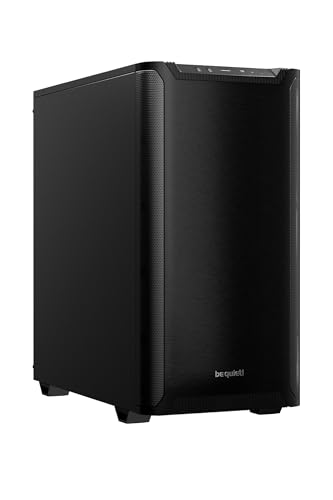
be quiet! Pure Base 501 Black ATX Case | 2 Preinstalled Pure Wings 3 140mm PWM Fans | Optimized Air Pressure | Compact PC Case | Vertical GPU Installation | USB 3.2 Gen. 2 Type C | BG073
- Minimalist Design: Clean, distraction-free appearance
- Optimized Airflow: Includes two Pure Wings 3 140mm PWM fans
- Quiet Operation: Reduced turbulence for quieter performance
As an affiliate, we earn on qualifying purchases.
As an affiliate, we earn on qualifying purchases.
Current Best Practices for Noise Reduction in AI Rigs
Traditionally, noise mitigation involved adding acoustic foam and soundproofing materials directly to the workstation. Experts now advise that these measures are less effective than increasing physical distance from the noise source. The concept of a 'rig in the closet' has gained popularity as a practical solution, especially since most AI tasks are performed remotely. The key is balancing noise reduction with effective heat dissipation, which requires proper airflow management and, in some cases, specialized soundproof enclosures.
Previous guidance focused on internal case modifications or foam treatments, but recent developments highlight that moving the hardware away from the user is the most straightforward and impactful step. This shift in approach reflects a better understanding of airborne versus structure-borne noise and the importance of ventilation in enclosed spaces.
"Moving the rig into another room is the most effective way to eliminate noise, especially since most AI tasks are network-based. The key is ensuring proper ventilation so heat doesn't build up."
— Thorsten Meyer, AI hardware expert
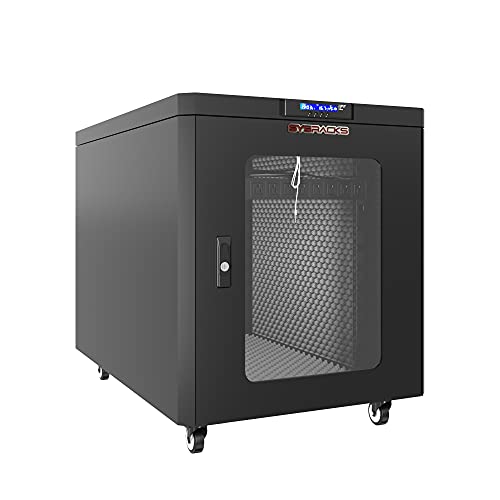
Sysracks Soundproof Server Rack Quiet - Acoustic Sound Proof Cabinet for Servers - Up to 36% Noise Reduction - Locking Server Enclosure - Silent Networking Cabinet - Noise Sound Dampening Box (15U)
- Rack Size: 15U Soundproof Cabinet
- Dimensions: 26in W x 35in D x 36in H
- Temperature Control: LED screen with 2 fans
As an affiliate, we earn on qualifying purchases.
As an affiliate, we earn on qualifying purchases.
Remaining Challenges in Quiet, Hot-Running AI Rigs
While the benefits of relocating a rig are clear, the optimal design of enclosed, soundproofed cabinets with effective cooling remains an area of ongoing development. Cost and complexity vary widely, and the best solutions depend on specific hardware configurations and room conditions. It is also not yet fully established how different ventilation strategies compare in long-term reliability and noise reduction.

AC Infinity AIRFRAME T7 White, High-Airflow Cooling Fan System 17 ".
- High-Airflow Cooling System: Designed for AV equipment and large enclosures
- Programmable Thermostat: Includes automated speed control and alarms
- Premium Aluminum Construction: Anodized and CNC-machined for durability and style
As an affiliate, we earn on qualifying purchases.
As an affiliate, we earn on qualifying purchases.
Future Developments in Noise and Heat Management for AI Hardware
Advances are expected in integrated soundproof enclosures with more efficient cooling systems, including smarter airflow control and quieter exhaust fans. Manufacturers may also develop more affordable, plug-and-play solutions for small-scale setups. Additionally, ongoing research aims to optimize placement strategies for various hardware configurations, making noise reduction more accessible for all users.

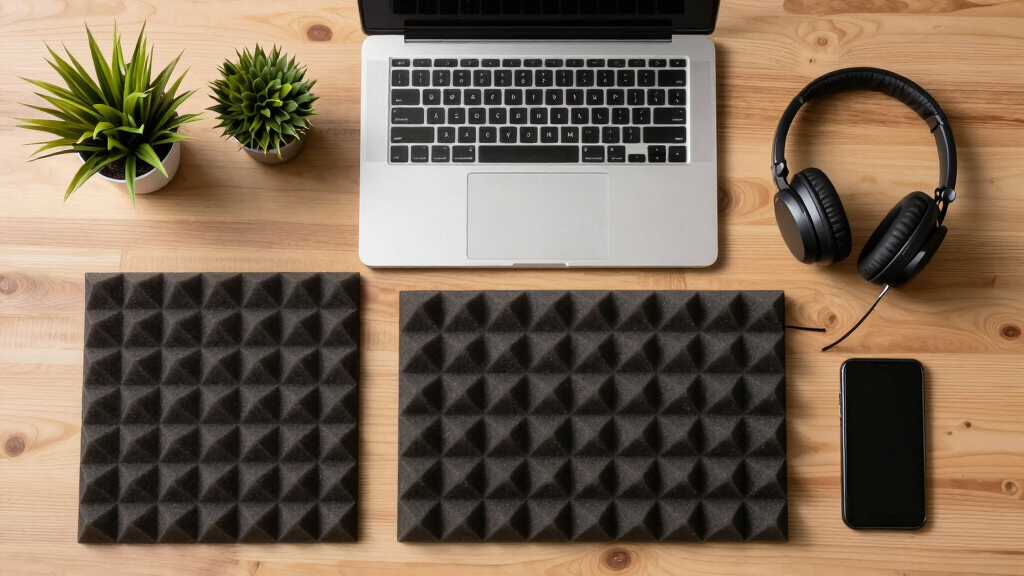
12 Pack Art Acoustic Panels, TEMGCUAM Self-Adhesive Sound Absorbing Wall Panels, 48"×36" Decorative Acoustic Treatment Panels for Home Office, Studio, Ceiling & Media Room
- Premium Sound Proof Foam Panels for Walls:Upgrade your...
- Extra-Large Size for Maximum Coverage: Each panel measures 12" ×...
- Peel & Stick Installation:Each panel features a strong...
As an affiliate, we earn on qualifying purchases.
As an affiliate, we earn on qualifying purchases.
Key Questions
Is placing my AI rig in a closet really effective for noise reduction?
Yes, moving the rig into a different room or closet can significantly reduce noise exposure, especially if combined with proper ventilation and decoupling measures.
What are the main risks of putting a high-power machine in a closet?
The primary risk is heat buildup, which can cause thermal throttling and hardware damage. Proper ventilation, active airflow, or specialized enclosures are necessary to mitigate this risk.
Can I use simple passive vents, or do I need active exhaust fans?
Passive vents may suffice for low to moderate heat loads, but for high-power rigs, active exhaust fans provide better airflow and temperature control.
Does acoustic foam help if my rig is in another room?
No, acoustic foam mainly absorbs airborne sound within a room. Placing the rig elsewhere reduces the need for foam, as the noise is physically separated.
Are there affordable solutions for soundproofing a closet with a high-power rig?
There are DIY options like adding mass-loaded vinyl, sealing gaps, and using quiet ventilation, but purpose-built soundproof cabinets are more effective and reliable, though more costly.
Source: ThorstenMeyerAI.com