
📊 Full opportunity report: Run Live Events With Phone-Free Operations on IdeaNavigator AI — validation score, market gap, and execution plan.

Get business pricing on office and shipping supplies
- Business-only prices and quantity discounts
- Tax-exempt purchasing
- Multiple users, one account, clear invoices
TL;DR
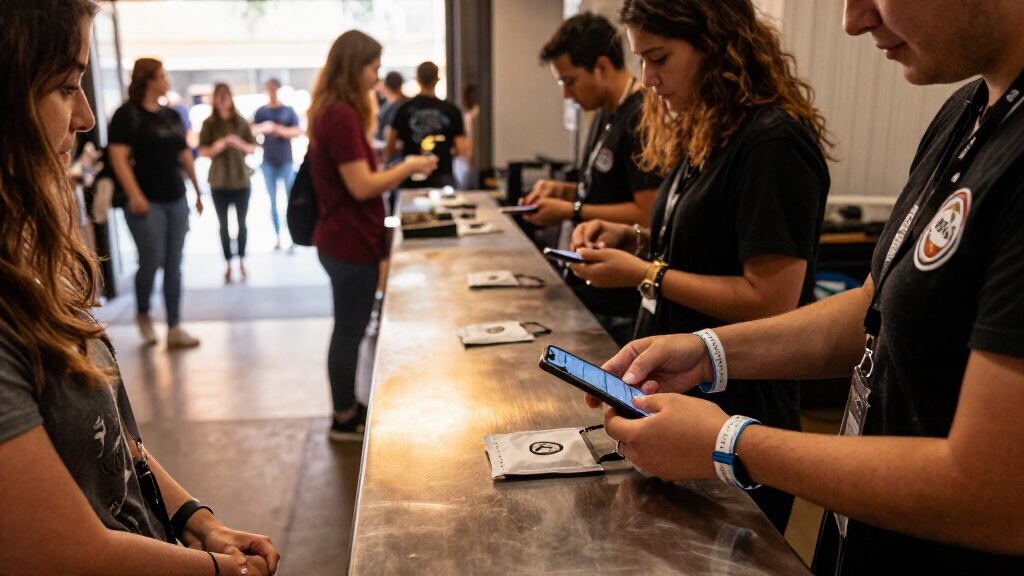
IdeaNavigator AI has outlined a proposed operations tool for phone-free venues, with workflows for check-in exceptions, pouch tracking and emergency unlocks. The concept has not been reported as a launched product; its suggested next step is testing at five venues and three schools.
IdeaNavigator AI has proposed a software tool for operators of phone-free shows, comedy clubs, schools and courts, aiming to organize the check-in, exception and emergency processes that accompany locked phone-pouch systems. The concept remains at the proposal stage: no product launch, pilot results or adoption figures are provided, and the suggested test would involve five venues and three schools.
The proposed product would provide a shared operational layer alongside existing pouch hardware rather than replace it. Its suggested minimum viable product includes check-in flows, a registry for approved exceptions such as medical needs or on-call responsibilities, and pouch inventory tracking. The plan does not identify a specific pouch manufacturer or software integration.
It also proposes express emergency-unlock stations where staff could record the reason for an unlock, along with post-event reports for venue operators. The underlying problem described is a reliance on improvised procedures when pouches are lost, exceptions need to be handled or multiple attendees require emergency access. The proposal says these issues can contribute to delays and re-entry lines; it does not quantify their frequency or effect.
The suggested commercial models are per-event or per-site subscriptions. To test whether the workflow is useful, the proposal recommends pilots at five venues and three schools, measuring the time needed to handle exceptions and whether incident records are complete compared with each organization’s existing process. No pricing, pilot partners or performance targets are specified.
Reducing Phone-Free Entry Delays
Phone-free policies depend on more than the pouch itself: staff must check devices in, handle legitimate exceptions and respond when a phone needs to be accessed. A dedicated workflow could give operators a consistent way to record those actions and keep track of pouch inventory, rather than relying on manual workarounds.
That operational question matters because queues and slow emergency access can affect both the attendee experience and staff workload. A system that records unlocks and exceptions could also help an organization review how its policy is being applied. Those are potential benefits, not demonstrated outcomes; the proposal provides no pilot data showing that software would shorten lines or reduce incidents.
The suggested test is deliberately limited to one buyer group: operators already using pouch systems. Comparing exception-handling time and incident-log completeness across the proposed pilot sites could show whether the problem is frequent enough to support a paid tool. Until testing takes place, the case for subscriptions remains a hypothesis to validate.
Popular right now

Dyson V9 Motorbar Cordless Vacuum

TCL 55-Inch T7 Series 4K QLED Smart Google TV (55T7)

Bose QuietComfort Wireless Bluetooth Headphones – Active Over‑Ear Noise Cancelling with Mic, USB‑C Charging, Deep Bass, up to 24 h Playtime,
As an affiliate, we earn on qualifying purchases.
Pouch Policies Need Staff Workflows
The proposal identifies phone-free operations in several settings, including live shows, comedy clubs, schools and courts. These organizations may use locked pouches to restrict access to phones during an event or while people are on site. The proposed software is intended for the administrative tasks around those systems, not for setting the policy itself.
IdeaNavigator AI describes phone-free mandates as spreading across these settings, but provides no dates, jurisdiction-by-jurisdiction account or figures documenting that growth. Its central observation is narrower: where pouch systems are in use, exceptions, lost pouches, emergency access and re-entry can create operational demands. The concept is framed as hardware-agnostic, meaning it would be designed to work alongside different pouch systems, though compatibility has not been demonstrated.
Pilot Results And Product Details
No product launch or pilot outcome is reported. It is not clear whether a development team, venue operators or schools have committed to testing the concept, or when a pilot might begin. The proposal also does not specify how staff would verify medical or on-call exceptions, who could authorize an emergency unlock, or what safeguards would protect the records.
Other open questions include how the tool would connect to different pouch systems, how it would operate during network or device outages, and what the subscription would cost. The suggested measures—exception-handling time and incident-log completeness—are named, but there are no baseline figures, targets or results against which to judge performance.
Testing The Proposed Workflow
The next step described is a pilot across five venues and three schools. Participating operators would compare the time spent handling exceptions and the completeness of incident logs with their current improvised procedures. The proposal does not say that these tests have been scheduled, so the pilot remains a recommendation rather than a confirmed rollout.
If testing proceeds, the findings could indicate whether the workflows fit daily operations and whether operators would pay per event or per site. Useful reporting would also need to address how emergency access is authorized, how pouch inventory is reconciled and how records are stored. Until those details and results are available, the idea should be understood as an early product proposal, not a proven solution.
Source: IdeaNavigator AI
Key Questions
Has the phone-free venue tool launched?
No launch is reported. The tool is described as a proposal, with pilots suggested as the next validation step.
What would the proposed software do?
It would support check-in exceptions, pouch inventory, emergency-unlock records and post-event reports, working alongside pouch hardware.
Who is the tool intended for?
The proposed customers are operators of phone-free shows, comedy clubs, schools and courts that use pouch systems.
Where would the proposed pilot take place?
The suggested test would involve five venues and three schools. No participating organizations or pilot dates are identified.
What would the pilot measure?
The proposal recommends comparing exception-handling time and incident-log completeness with the participants’ existing processes. No results or target improvements are available.
Source: IdeaNavigator AI