

Smart copywriters first refine the social proof elements that appear early in your email, such as customer testimonials or influencer endorsements. This quickly builds trust and credibility, reducing skepticism right from the start. Authentic, specific stories and trusted signals like verified reviews are key to persuading your audience. Placing these elements strategically makes your message more convincing and encourages engagement. Keep going, and you’ll discover more ways to make social proof work even harder for you.

Get business pricing on office and shipping supplies
- Business-only prices and quantity discounts
- Tax-exempt purchasing
- Multiple users, one account, clear invoices
Key Takeaways
- Prioritize authentic testimonials that quickly establish trust and credibility at the email’s start.
- Incorporate verified reviews and trust signals to reinforce social proof’s authenticity.
- Feature influencer endorsements early to leverage authority and build instant credibility.
- Refine placement of social proof to reduce skepticism and enhance receptiveness to the call to action.
- Ensure testimonials and endorsements are specific, relatable, and strategically positioned for maximum impact.
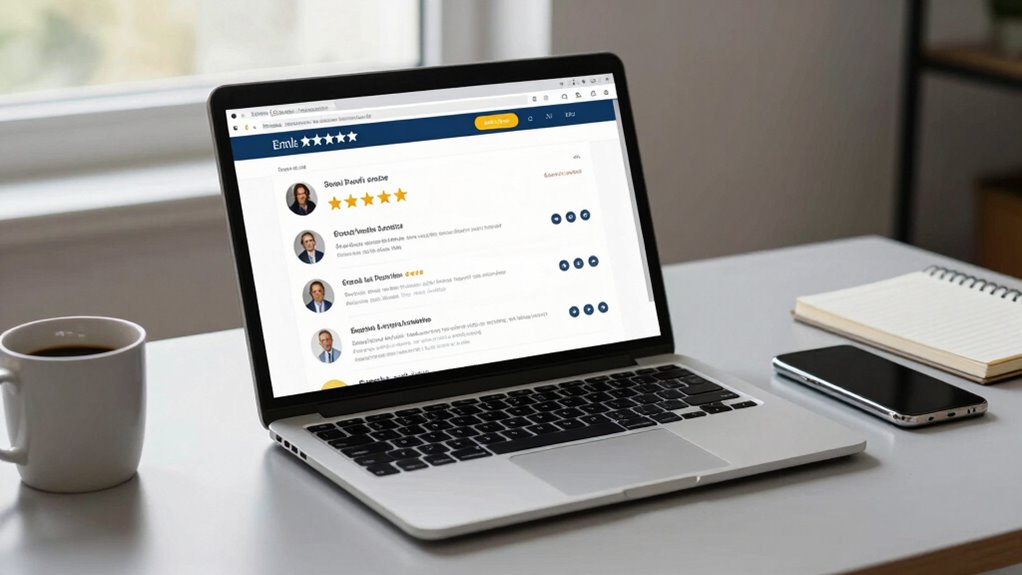
Have you ever wondered why some emails instantly grab your attention and persuade you to take action? The secret often lies in the power of social proof. When you see others vouching for a product or service, it naturally boosts your confidence in making a decision. This is where customer testimonials and influencer endorsements come into play—they’re the social proof elements that smart copywriters prioritize first.
Customer testimonials serve as authentic voices from real people who’ve experienced what you’re offering. When you include genuine feedback from satisfied customers, it helps build trust quickly. These testimonials work because they’re relatable; you can see yourself in the stories of someone’s positive experience. The more specific and detailed the testimonial, the more convincing it becomes. It’s not just about saying, “This product is great,” but sharing how it solved a particular problem or improved their life. By highlighting these success stories early in your email, you create a sense of credibility that encourages recipients to keep reading and consider your offer. Additionally, incorporating trust signals such as verified reviews can further reinforce the authenticity of these testimonials. Recognizing the importance of social proof in influencing purchasing decisions can help you craft more persuasive messages.
Influencer endorsements are another powerful form of social proof that you should refine first. When a respected influencer or expert publicly supports your product, it instantly elevates your credibility. Influencers are seen as trusted authorities or trendsetters, so their endorsement acts as a shortcut for your audience’s trust. Incorporating an endorsement from someone your recipients admire or follow creates a psychological nudge—they’re more likely to pay attention and believe in your message because someone they respect is backing it up. Smart copywriters often feature influencer quotes or mention partnerships right at the start of their emails, knowing it hooks the reader and establishes authority fast.
Refining these social proof elements first isn’t just about including them randomly; it’s about strategically placing them where they’ll have the most impact. When your email opens with a compelling customer testimonial or an influential endorsement, it immediately sets a tone of trustworthiness. This approach reduces skepticism and makes your audience more receptive to your call to action. Recognizing the importance of authenticity in testimonials can further enhance the credibility of your social proof. By prioritizing authentic social proof, you’re leveraging the psychology of trust and familiarity—key ingredients that can turn a passive reader into an engaged customer. Additionally, understanding the importance of home exercise equipment and personal well-being can help tailor your social proof to resonate more with your audience’s interests. Incorporating trust-building strategies into your social proof can further amplify its effectiveness.
Popular right now

Bose QuietComfort Headphones (2nd Gen), Wireless Noise-Cancelling Over-Ear Headphones, Eucalyptus Green

Dyson V8 Cyclone Cordless Vacuum

eufy E25 Robot Vacuum and Mop Combo with HydroJet Roller Mop
As an affiliate, we earn on qualifying purchases.
Frequently Asked Questions
How Do I Measure the Effectiveness of Social Proof in Emails?
You measure social proof effectiveness in emails by tracking engagement metrics like open rates, click-through rates, and conversions. Pay special attention to how customer testimonials and case studies influence these metrics. If you notice higher responses after adding specific testimonials or case studies, it indicates they’re working. A/B testing different social proof elements helps you identify which ones resonate most, allowing you to refine your approach for maximum impact.
What Are the Common Mistakes to Avoid With Social Proof?
Like a knight in shining armor, avoid common social proof mistakes that hinder credibility enhancement. Don’t overuse testimonials or place them awkwardly, which can seem spammy. Guarantee authenticity; fake reviews damage trust faster than a broken arrow. Also, steer clear of irrelevant social proof—only include testimonials that relate to the recipient’s concerns. Proper placement and genuine stories boost your email’s credibility without overwhelming or misleading your audience.
Can Social Proof Backfire or Seem Manipulative?
Yes, social proof can backfire if you overlook manipulation concerns or authenticity challenges. If your testimonials or reviews seem fake or overly curated, your audience may question your honesty, damaging trust. To avoid this, guarantee your social proof is genuine, transparent, and relatable. Authenticity is key—if your proof feels manipulative or insincere, it risks alienating your readers instead of convincing them.
How Often Should I Update Social Proof in My Emails?
You should update your social proof regularly, ideally every few months, to keep your credibility enhancement invigorating and relevant. Timing strategies matter—use recent testimonials or case studies to show ongoing success. If you launch a new product or service, update your proof immediately to reflect new results. Consistently revitalizing social proof maintains trust and prevents it from appearing outdated, ensuring your audience stays confident in your offerings.
What Types of Social Proof Work Best for B2B Emails?
You should prioritize customer testimonials and case study highlights in B2B emails. These types of social proof build credibility by showcasing real-world success stories, demonstrating your value, and addressing potential clients’ concerns. Use authentic quotes from satisfied clients and detailed case studies to establish trust. Including specific results and metrics makes your social proof more compelling, helping prospects see the tangible benefits of working with you.
Conclusion
You might think social proof is just a nice addition to your emails, but it’s actually a powerful trust builder. When you include testimonials or stats, you leverage the psychological truth that people follow others’ lead. This isn’t just theory—it’s backed by research. So next time you craft an email, ask yourself: are you showing enough proof to convince your audience? Because, in the end, social proof could be the difference between a click and a scroll.