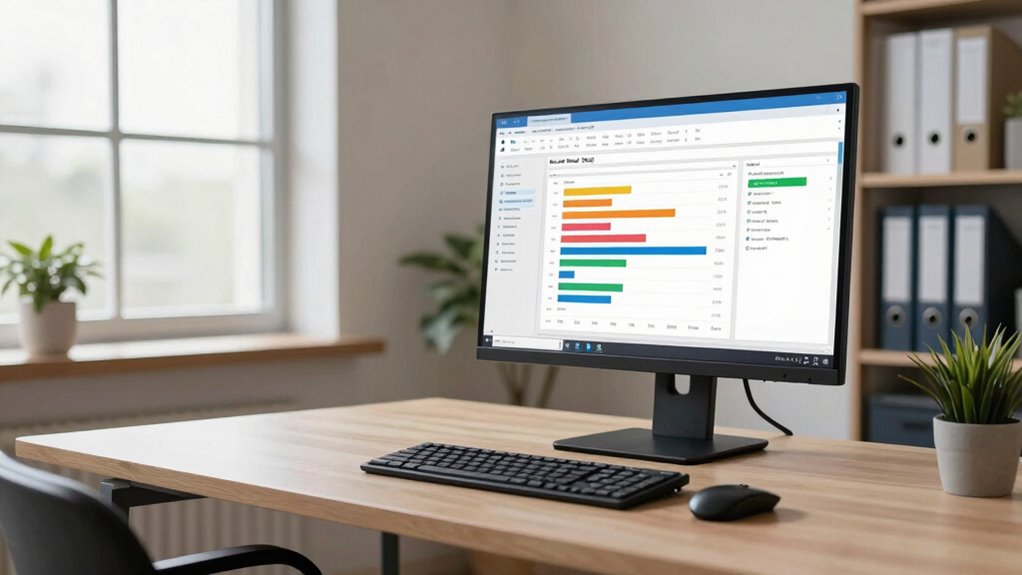

To get inbox placement right from the start, you need to focus on proper email authentication like SPF, DKIM, and DMARC, which build trust with inbox providers. Keep your email list clean by regularly removing invalid or inactive addresses to reduce bounces and spam complaints. Monitor engagement metrics and adjust your strategies accordingly. Continuously tracking your deliverability helps you stay ahead of spam filters and maintain a strong sender reputation. Keep exploring to learn more about setting up a resilient email program.

Get business pricing on office and shipping supplies
- Business-only prices and quantity discounts
- Tax-exempt purchasing
- Multiple users, one account, clear invoices
Key Takeaways
- Implement robust email authentication protocols (SPF, DKIM, DMARC) from the beginning to establish trust and improve deliverability.
- Regularly validate and clean email lists to remove inactive or invalid addresses, reducing bounce rates.
- Monitor inbox placement metrics continuously to identify and address issues early.
- Maintain high engagement rates through personalized, relevant content to enhance sender reputation.
- Follow best practices and adapt to evolving email environments to ensure consistent inbox delivery.
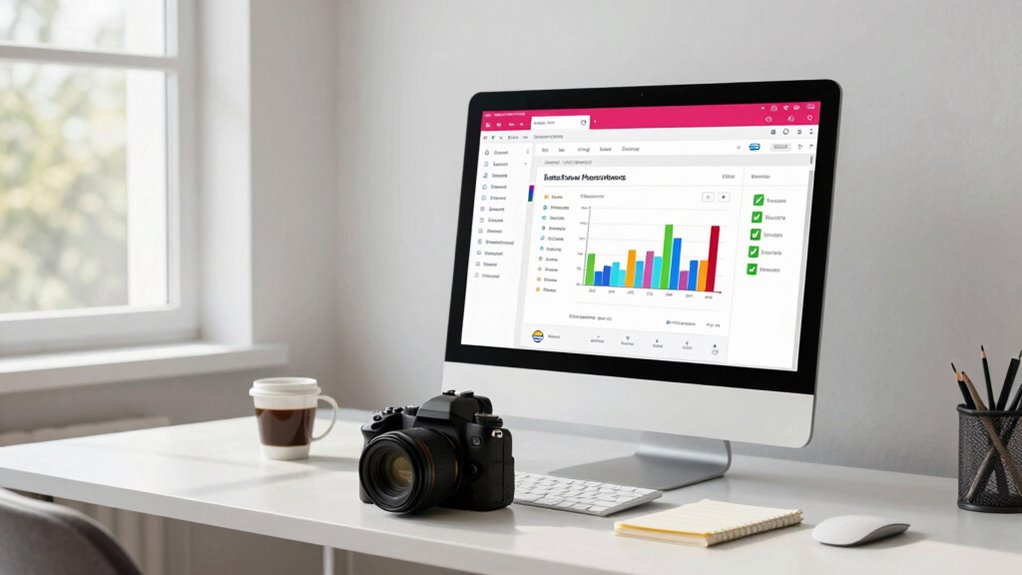
Have you ever wondered whether your emails actually land in your recipients’ inboxes or get lost in spam folders? That’s where inbox placement monitoring comes into play. It’s a vital part of any successful email marketing strategy because it helps you understand whether your messages are reaching your audience or being filtered out. When you start paying attention to inbox placement, you get real insights into your email deliverability, enabling you to make smarter decisions.
One of the key factors that clean email programs get right from the start is proper email authentication. Implementing protocols like SPF, DKIM, and DMARC ensures your emails are verified and trusted by recipients’ email servers. This not only helps prevent spoofing but also improves your sender reputation, which directly impacts your inbox placement. When your emails are correctly authenticated, they’re less likely to be flagged as spam, boosting your chances of landing in the inbox.
Proper email authentication with SPF, DKIM, and DMARC boosts trust and improves inbox placement.
Beyond authentication, clean programs focus heavily on engagement metrics. These metrics tell you how your recipients interact with your emails—whether they open, click, or mark your messages as spam. High engagement signals to email providers that your content is valuable and wanted, which positively influences your inbox placement. Conversely, low engagement or frequent spam complaints can harm your sender reputation and cause your emails to be filtered out. That’s why monitoring engagement metrics regularly helps you adjust your content and targeting strategies to keep your emails relevant and engaging. Additionally, paying attention to email deliverability best practices can further enhance your chances of inbox success.
Successful programs also emphasize list hygiene from the start. Removing inactive subscribers and validating email addresses reduces bounce rates and improves overall deliverability. When your list is clean, your engagement metrics become more accurate, allowing you to better gauge your audience’s interest and tailor campaigns accordingly. This cycle of regular cleaning, authentication, and engagement analysis creates a robust foundation for inbox placement. Additionally, understanding the role of email authentication protocols helps ensure your emails are verified and trusted by recipient servers, which is crucial for maintaining good deliverability. Incorporating email authentication best practices from the beginning helps establish a trustworthy sender reputation early on. Moreover, regularly updating your list and removing invalid or risky email addresses aligns with list hygiene best practices and enhances overall deliverability.
Finally, the best programs understand the importance of ongoing monitoring. Email environments and spam filters evolve, so continuous tracking of inbox placement ensures you stay ahead of potential deliverability issues. By combining email authentication best practices with close attention to engagement metrics, you create a resilient email program that consistently reaches your audience’s inboxes. In the end, mastering these elements from the start means your campaigns won’t just be sent—they’ll be seen and acted upon, maximizing your marketing impact.
As an affiliate, we earn on qualifying purchases.
Frequently Asked Questions
How Often Should Inbox Placement Be Monitored for Optimal Results?
You should monitor inbox placement regularly, ideally monthly, to keep tabs on email engagement and guarantee your subscriber segmentation strategies are effective. Consistent monitoring helps you identify issues early, refine your targeting, and improve deliverability. By staying proactive, you can adapt your campaigns quickly, maintain a healthy sender reputation, and ultimately maximize inbox placement. Regular checks are key to keeping your email program clean and your audience engaged.
What Tools Are Best for Real-Time Inbox Placement Tracking?
You need the ultimate tools for real-time inbox placement tracking—like Litmus or 250ok—that give you instant updates on email authentication and deliverability metrics. These tools are so precise, they feel like having a crystal ball into your inbox success. With them, you can catch deliverability issues as they happen, tweak your strategies immediately, and guarantee your emails land perfectly every time. Don’t settle for anything less than real-time mastery!
How Do Spam Triggers Affect Inbox Placement Rates?
Spam triggers activate spam filters, lowering your inbox placement rates. When your emails contain certain keywords or suspicious links, filters flag them, causing delivery issues. Engagement metrics, like open and click rates, also influence placement; higher engagement signals to inbox providers that your content is relevant, improving deliverability. To optimize your inbox placement, monitor both spam triggers and engagement metrics closely, adjusting your content to stay out of spam filters and boost engagement.
Can Inbox Placement Monitoring Improve Sender Reputation?
Absolutely, inbox placement monitoring can boost your sender reputation by highlighting issues that impact your email deliverability. When you actively analyze engagement metrics, you identify what your audience prefers, helping you craft compelling content. Consistently monitoring and managing your reputation guarantees your emails land in inboxes, not spam folders. This proactive approach prevents problems before they grow, ensuring your messages remain relevant, reliable, and ready to engage your audience effectively.
What Are Common Causes of Sudden Inbox Placement Drops?
Sudden inbox placement drops often happen when your email authentication fails or becomes inconsistent, making filters suspicious. Low subscriber engagement also plays a big role, as inactive recipients signal poor content relevance. To prevent this, make sure your email authentication protocols are strong and up-to-date, and focus on boosting subscriber engagement through targeted, valuable content. Monitoring these factors helps maintain a healthy sender reputation and consistent inbox placement.
As an affiliate, we earn on qualifying purchases.
Conclusion
By prioritizing inbox placement monitoring from the start, you set your email programs up for success, much like planting seeds in rich soil. It helps you identify issues early, allowing you to adjust and thrive in the inbox ecosystem. Think of it as a compass guiding your campaigns in the right direction—without it, you risk wandering aimlessly. Embrace these best practices, and watch your email deliverability flourish like a well-tended garden.
email deliverability monitoring tools
As an affiliate, we earn on qualifying purchases.
As an affiliate, we earn on qualifying purchases.
email engagement tracking software
As an affiliate, we earn on qualifying purchases.
As an affiliate, we earn on qualifying purchases.
Halloween Picks
halloween
As an affiliate, we earn on qualifying purchases.