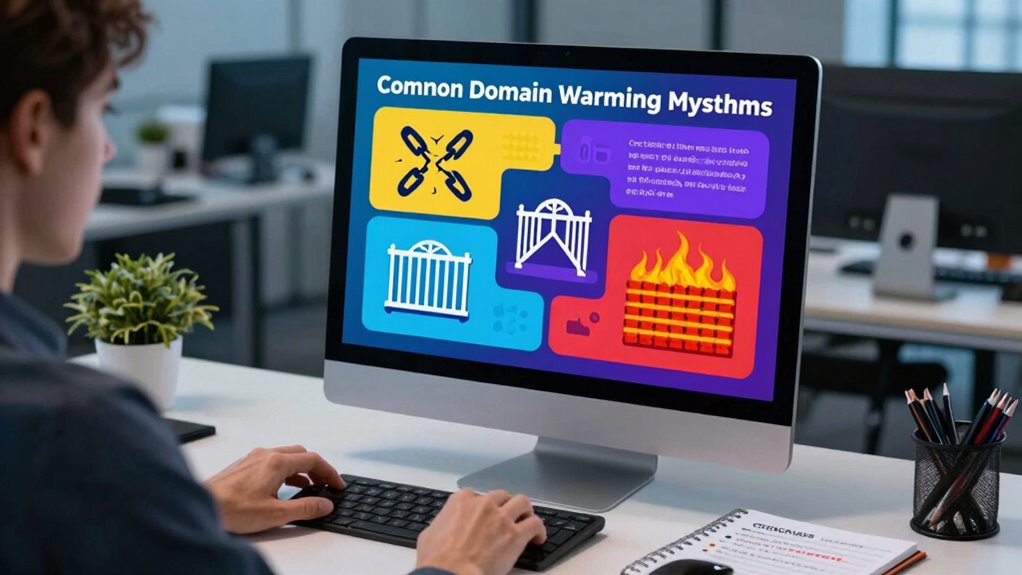

Many believe you should send large volumes quickly to warm your domain, but that can trigger spam filters and damage your reputation. Rigid schedules and static warm-up plans ignore engagement signals and changing inbox conditions, risking deliverability issues. Instead, focus on gradual volume increases, monitor engagement metrics, and stay flexible. Continuing this approach helps build trust with inbox providers and keeps your emails from getting blocked. If you want to know the best strategies, keep going.

Get office and shipping supplies delivered free — and shop member deals
- Fast, free delivery on millions of items
- Access to Prime Big Deal Days deals on October 6–7
- Prime Video, Amazon Music and more included
Key Takeaways
- Sending large volumes quickly without gradual warm-up can trigger spam filters and cause blocks.
- Relying solely on relevance or engagement metrics ignores the importance of steady volume escalation.
- Ignoring email engagement signals like open and click rates increases the risk of deliverability issues and reputation damage.
- Using static warm-up schedules without flexibility can lead to sudden drops in inbox placement.
- Overlooking authentication protocols and consistent sending patterns weakens domain reputation and increases blocking risk.
As an affiliate, we earn on qualifying purchases.
What Is Domain Warming and Why Does It Matter?
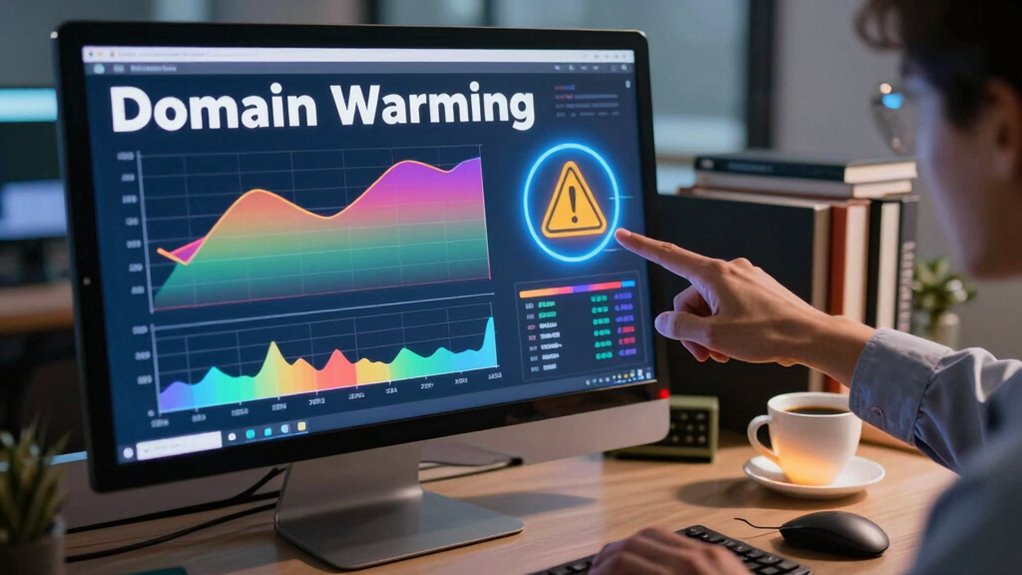
What exactly is domain warming, and why should you care? It’s a process that gradually builds your domain’s reputation management by slowly increasing your email sending volume. This helps prevent your emails from being flagged as spam or blocked. When done correctly, domain warming ensures your messages arrive in inboxes, maintaining your sender authentication and credibility. Rushing this process can damage your sender reputation, making future emails less likely to be delivered. Proper domain warming involves consistent sending patterns, so inbox providers recognize you as a trusted sender. If you neglect this step, your emails might be marked as spam, hurting your overall email marketing efforts. In short, domain warming is essential for safeguarding your reputation management and ensuring your emails reach your audience. High delivery rates are crucial for the success of your email campaigns. Additionally, understanding email authentication protocols can further improve your sender reputation and inbox placement. Maintaining a healthy sender reputation through proper domain warming practices is vital for long-term email success. Recognizing the importance of email engagement metrics can also help you adjust your strategies to optimize deliverability.
email deliverability monitoring software
As an affiliate, we earn on qualifying purchases.
As an affiliate, we earn on qualifying purchases.
Are You Falling for Common Domain Warming Myths?

Many people believe common myths about domain warming that can actually hinder their email deliverability. One widespread misconception is that warming your domain involves sending as many emails as possible quickly. In reality, aggressive sending can damage your sender reputation and reduce email deliverability. Another myth is that warming schedules are unnecessary if your emails are relevant; however, a steady, gradual increase helps establish trust with inbox providers. Some think that engagement metrics alone determine deliverability, but consistent domain warming also plays an essential role. Falling for these myths can cause your emails to land in spam or get blocked altogether. To protect your sender reputation and improve email deliverability, focus on a thoughtful warming process instead of rushing or neglecting best practices. Additionally, understanding the Youngster Choice strategies can help you develop a more effective approach to domain warming.
email authentication protocols kit
As an affiliate, we earn on qualifying purchases.
As an affiliate, we earn on qualifying purchases.
Why Static Warm-Up Schedules Can Damage Your Email Reputation
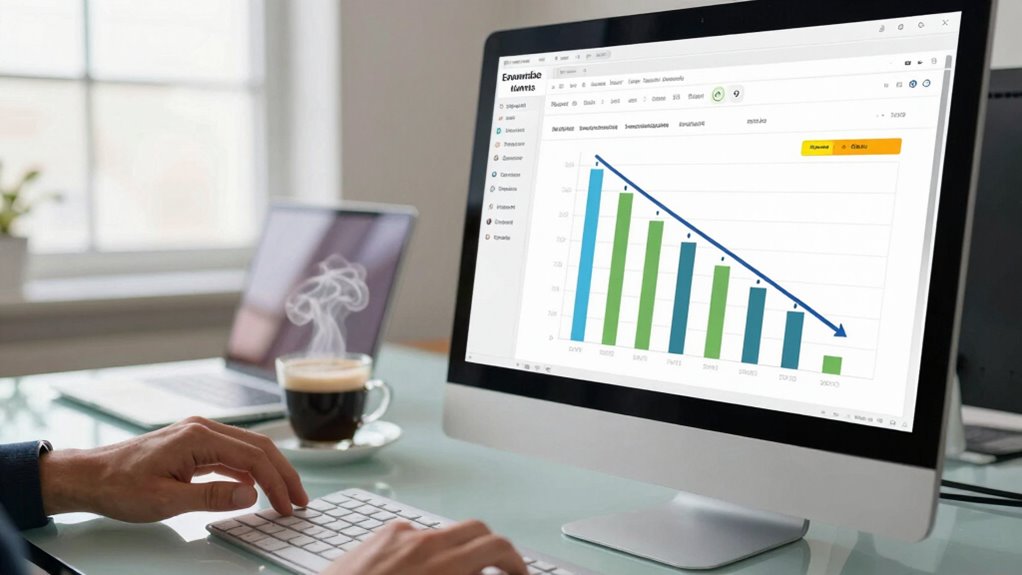
Static warm-up schedules can harm your email reputation because they don’t account for the dynamic nature of email engagement and sender reputation. Relying on a fixed pattern ignores how your email performance fluctuates with recipient interactions. This rigidity can cause sudden drops in email deliverability or trigger spam filters. To maintain a healthy sender reputation, you need flexibility and responsiveness. Consider this:
| Static Schedule | Dynamic Approach |
|---|---|
| Fixed sending times | Adjust based on engagement |
| Same volume daily | Vary volume as needed |
| No response to data | Analyze and adapt tactics |
| Uniform frequency | Tailor frequency per campaign |
| Risk of overloading | Prevent spam complaints |
Adopting a flexible approach helps preserve your sender reputation and improves your email deliverability over time.
email engagement analytics tools
As an affiliate, we earn on qualifying purchases.
As an affiliate, we earn on qualifying purchases.
How Sending Volume and Frequency Affect Your Warming Success

Adjusting your sending volume and frequency is crucial to warming your domain effectively. If you start with too high a sending volume, you risk triggering spam filters and damaging your sender reputation. Instead, focus on volume escalation, gradually increasing your email sends over time. Maintaining consistent sending frequency helps establish trust with inbox providers and prevents sudden spikes that could be flagged. Too frequent sends can appear spammy, while too infrequent emails may seem inactive. Balance is key: increase volume slowly while keeping your sending frequency steady. This approach allows ISPs to recognize your domain as legitimate, improving deliverability and reducing the chances of being blocked. Remember, patience and controlled escalation are essential for successful domain warming. Incorporating safer riding habits and following best practices ensures your email reputation remains intact throughout the process.
What Are the Best Practices to Warm Up Your Domain Safely?

To warm up your domain safely, start by sending a small number of targeted emails to engaged recipients who are likely to open and interact with your messages. This helps improve your email deliverability and builds your sender reputation gradually. Focus on these best practices:
Begin warming your domain by sending targeted, engaged emails to build reputation gradually and improve deliverability.
- Send personalized, relevant content to recipients who expect your emails.
- Maintain consistent sending patterns without sudden spikes in volume.
- Monitor engagement metrics and adjust based on recipient responses.
Following these steps helps avoid spam filters and preserves your domain’s reputation. Keep your warm-up process steady and deliberate, ensuring your emails reach the inbox rather than the spam folder. Patience and consistency are key to establishing a healthy sender reputation and long-term email deliverability success.
Top Mistakes to Avoid During Domain Warming Process

One common mistake is ignoring the importance of a gradual increase in your email volume. Skipping warm-up phases can trigger spam filters and harm your deliverability. Also, neglecting engagement metrics may cause you to miss signs that your domain isn’t warming up properly, risking reputation damage. Incorporating email authentication protocols helps establish trust with mail servers and improves overall sender reputation. Additionally, failing to monitor SSD organization tips for audio production might lead to slower workflows and delays, which can indirectly impact your email campaigns by reducing responsiveness.
Ignoring Gradual Increase
Ignoring the importance of a gradual increase during the domain warming process can lead to serious issues like IP blocking or reputation damage. Rushing the process risks triggering spam filters and raising red flags with email providers. To avoid this, focus on these key steps:
- Gradually increase your email volume day by day.
- Maintain consistent monitoring of bounce rates and engagement metrics.
- Adjust your sending patterns based on feedback and performance data.
This approach helps build trust with inbox providers without raising suspicion. Remember, a steady, measured increase paired with consistent monitoring ensures your domain’s warming process stays smooth and effective. Avoid shortcuts that could jeopardize your reputation—patience and attentiveness are your best tools.
Skipping Warm-Up Phases
Skipping warm-up phases can severely damage your domain’s reputation and hinder your email deliverability. When you jump straight into sending large volumes, email throttling may kick in, slowing or blocking your messages. Without a gradual warm-up, your domain appears suspicious to email providers, increasing the risk of being marked as spam. Proper warm-up involves gradually increasing your email volume and focusing on content personalization to build trust with recipients. Personalized content shows engagement and relevance, helping improve sender reputation. Ignoring this process can lead to deliverability issues that are difficult to recover from. Always warm-up your domain carefully, respecting email throttling limits, and tailor your messages to your audience to ensure steady, successful email campaigns.
Overlooking Engagement Metrics
Focusing solely on increasing email volume without monitoring engagement metrics can backfire during your domain warming process. Ignoring email engagement signals, like open rate analysis, risks damaging your sender reputation. To avoid this, pay close attention to:
- Open rates — low open rates may indicate your audience isn’t engaging, signaling a need to improve your content or targeting.
- Click-through rates — measuring clicks helps you understand if recipients find your emails valuable.
- Bounce and complaint rates — high rates can signal list quality issues or spam complaints, risking blocks.
- Monitoring engagement metrics is crucial for maintaining a healthy sender reputation during domain warming. Additionally, understanding personality assessment tools can help tailor your email strategies to different audience segments, boosting engagement and minimizing risks. Regularly analyzing email engagement signals allows you to adapt your approach proactively and sustain your domain’s reputation.
Frequently Asked Questions
How Long Should I Wait Between Warming Emails?
You should wait about 3 to 7 days between warming emails, depending on your email frequency and warming schedule. This gradual approach helps build sender reputation without triggering spam filters. Space your emails so recipients don’t feel overwhelmed, and monitor engagement to adjust your schedule. Consistency is key—sending too many too quickly can harm your deliverability, so be patient and steady with your warming process.
Can Domain Warming Improve Overall Email Deliverability Long-Term?
Yes, domain warming can enhance your overall email deliverability long-term. By gradually increasing your sending volume, you build a strong sender reputation, which helps your emails avoid spam filters. Proper bounce management ensures invalid addresses don’t harm your reputation, maintaining good deliverability rates. Consistently following best practices during domain warming helps establish trust with inbox providers, leading to better inbox placement and higher engagement over time.
What Are Signs of a Failed Domain Warming Process?
If your domain warming fails, you’ll notice a decline in email deliverability and increased bounce rates. Your email frequency might seem inconsistent, causing spam filters to flag your messages. You may also see a drop in open and click-through rates, indicating your sender reputation is suffering. These signs mean your warming process isn’t building trust with inbox providers, and you should adjust your strategy to improve sender reputation and regain deliverability.
Is Domain Warming Necessary for Small-Scale Email Campaigns?
Think of your email campaign as tending a garden; small-scale efforts are like delicate seedlings. While domain warming isn’t always necessary for low email volume, it helps safeguard your sender reputation and ensure deliverability. By gradually increasing your email volume, you nurture trust with inbox providers, preventing blocks. If you’re sending few emails, you might skip warming, but it’s wise to monitor your reputation closely to maintain healthy communication.
How Does Recipient Engagement Impact Domain Warming Success?
Recipient engagement directly impacts your domain warming success by influencing your engagement metrics and sender reputation. When recipients open, click, or reply to your emails, it signals to inbox providers that you’re a trusted sender. This positive engagement helps improve your sender reputation, making it easier to reach inboxes. Conversely, low engagement can harm your reputation, risking blocks or spam flags. Focus on creating relevant content to boost engagement and protect your domain warming efforts.
Conclusion
Now that you know the truths behind domain warming and the pitfalls to avoid, are you ready to take control of your email reputation? The wrong approach could set you back or even block your domain entirely. But with the right strategies, you can build trust and ensure deliverability. Will you act now and master your warming process before it’s too late? The next step could change everything—are you prepared to make it?
Halloween Picks
halloween
As an affiliate, we earn on qualifying purchases.