
TL;DR

Get business pricing on office and shipping supplies
- Business-only prices and quantity discounts
- Tax-exempt purchasing
- Multiple users, one account, clear invoices
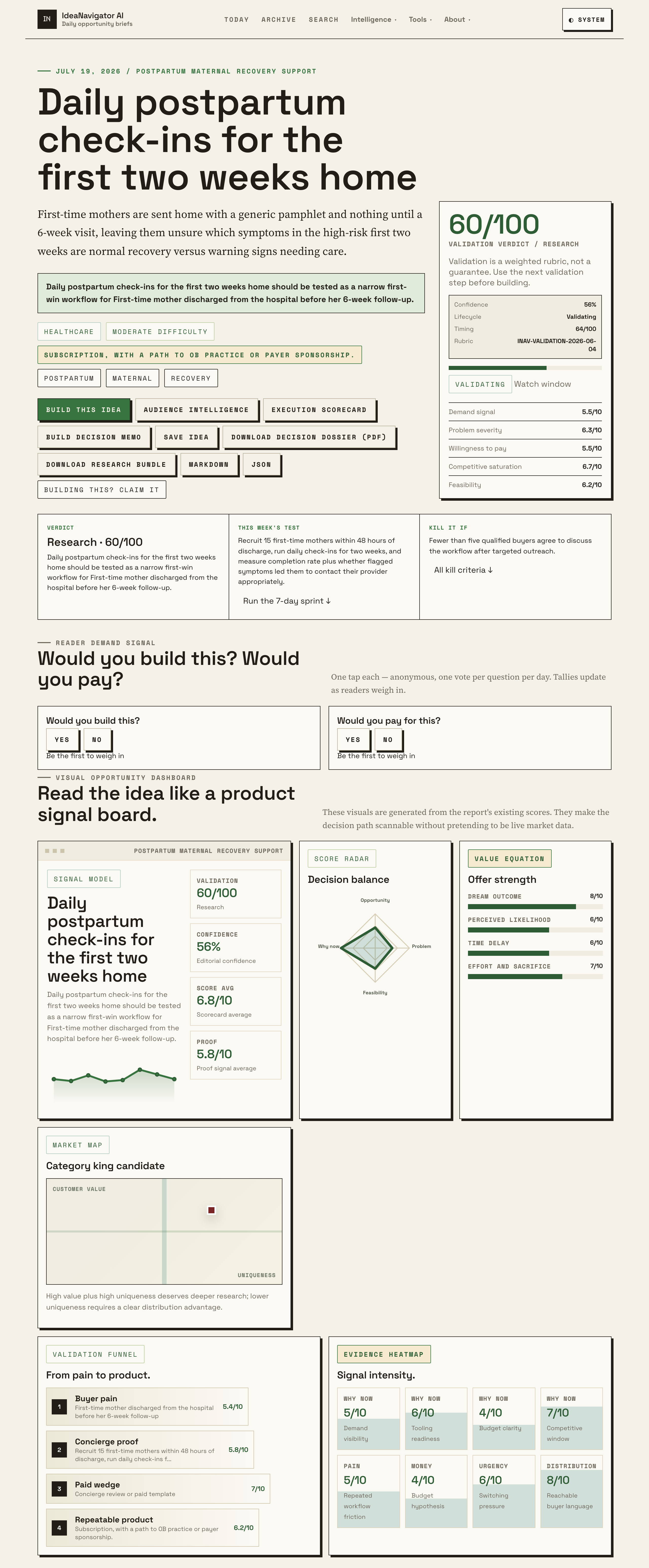
New postpartum support models propose daily at-home check-ins for first-time mothers during the first two weeks after hospital discharge. This approach aims to address gaps in postpartum care and improve outcomes. Validation is ongoing through pilot programs.
Health innovators are piloting daily postpartum check-ins at home for first-time mothers discharged early, aiming to improve recovery monitoring during the critical first two weeks. This approach addresses gaps in postpartum care, potentially reducing complications and guiding timely medical intervention, which is especially important as mothers often leave the hospital with minimal follow-up until their six-week visit.
The initiative targets first-time mothers who are discharged before their standard six-week postpartum appointment, a period identified as high risk for complications. Currently, these mothers often receive only a generic pamphlet and limited guidance, which can leave them unsure about normal recovery versus warning signs. The new model involves an onboarding process that creates a personalized recovery profile based on delivery details, feeding method, and mental health baseline.
Following onboarding, mothers receive daily check-ins via smartphone, which deliver targeted recovery tips and prompt them to contact healthcare providers if certain symptoms are flagged. This approach aims to facilitate early detection of issues such as infections, bleeding, or mental health concerns. Pilot programs are recruiting around 15 first-time mothers within 48 hours of discharge to test the process over two weeks, measuring engagement and whether flagged symptoms lead to appropriate care.
Experts suggest that this model could fill a critical gap in postpartum care, especially as maternal health campaigns highlight the dangers of the current postpartum follow-up gap. The service is designed to be subscription-based, with potential sponsorship from OB practices or payers, and seeks to demonstrate improved safety and satisfaction among new mothers.
Potential Impact on Postpartum Recovery Monitoring
This new approach could significantly improve postpartum recovery by providing continuous, personalized support during the most vulnerable period. Early detection of complications may reduce hospital readmissions, improve mental health outcomes, and enhance new mothers’ confidence in managing their recovery. If validated, it could lead to a shift in standard postpartum care practices, emphasizing ongoing remote monitoring.
postpartum recovery monitoring device
As an affiliate, we earn on qualifying purchases.
As an affiliate, we earn on qualifying purchases.
Addressing the Postpartum Care Gap in Modern Healthcare
Current postpartum care typically involves a single hospital discharge and a follow-up appointment around six weeks later, which many experts consider insufficient for early complication detection. Maternal health campaigns have highlighted the risks of this gap, especially for first-time mothers who may be unfamiliar with normal recovery versus warning signs. Recent technological advances, including smartphones, make daily remote check-ins feasible, prompting interest in new models of postpartum support.
Preliminary studies and pilot programs are testing various forms of remote monitoring, but widespread adoption has yet to occur. The proposed model aims to validate the effectiveness of daily check-ins in improving safety and satisfaction during this high-risk period.
“Daily postpartum check-ins could be a game-changer in early complication detection and support for new mothers.”
— an anonymous researcher
As an affiliate, we earn on qualifying purchases.
Uncertainties About Effectiveness and Adoption
It is not yet clear how effective daily check-ins will be in real-world settings, as pilot data is still being collected. Questions remain about engagement levels, whether flagged symptoms will reliably prompt appropriate care, and how scalable the model is for diverse populations. Further research is needed to confirm these preliminary findings and determine long-term benefits.
As an affiliate, we earn on qualifying purchases.
Next Steps in Validating and Scaling the Model
Pilot programs are expected to conclude within the next few months, with data on engagement, symptom detection, and care outcomes. If results are positive, developers plan to expand recruitment, refine algorithms, and explore integration with existing healthcare systems. Larger studies and potential reimbursement pathways are also under consideration to support broader adoption.
As an affiliate, we earn on qualifying purchases.
Key Questions
How can I participate in a postpartum check-in program?
Currently, pilot programs are recruiting first-time mothers within 48 hours of discharge. Interested individuals should consult their healthcare provider or local postpartum support services for participation opportunities.
Are these check-ins mandatory or optional?
Participation is voluntary. The programs aim to supplement, not replace, standard postpartum care, providing additional support during the first two weeks after discharge.
What symptoms should prompt me to contact my provider?
Symptoms such as heavy bleeding, fever, severe pain, signs of infection, or feelings of depression or anxiety should prompt immediate contact with your healthcare provider.
Will this service be covered by insurance?
The model is currently exploring sponsorship and reimbursement options. Coverage details will depend on future validation results and healthcare policy developments.
Is this approach suitable for all new mothers?
While designed primarily for first-time mothers discharged early, the approach may be adapted for broader use if proven effective. Individual needs and medical advice should guide participation.
Source: IdeaNavigator AI
Halloween Picks
halloween
As an affiliate, we earn on qualifying purchases.