
📊 Full opportunity report: A Closer Look At Toyota, Nissan, And Honda’s Parts Standardization Plans on IdeaNavigator AI — validation score, market gap, and execution plan.

Get business pricing on office and shipping supplies
- Business-only prices and quantity discounts
- Tax-exempt purchasing
- Multiple users, one account, clear invoices
TL;DR
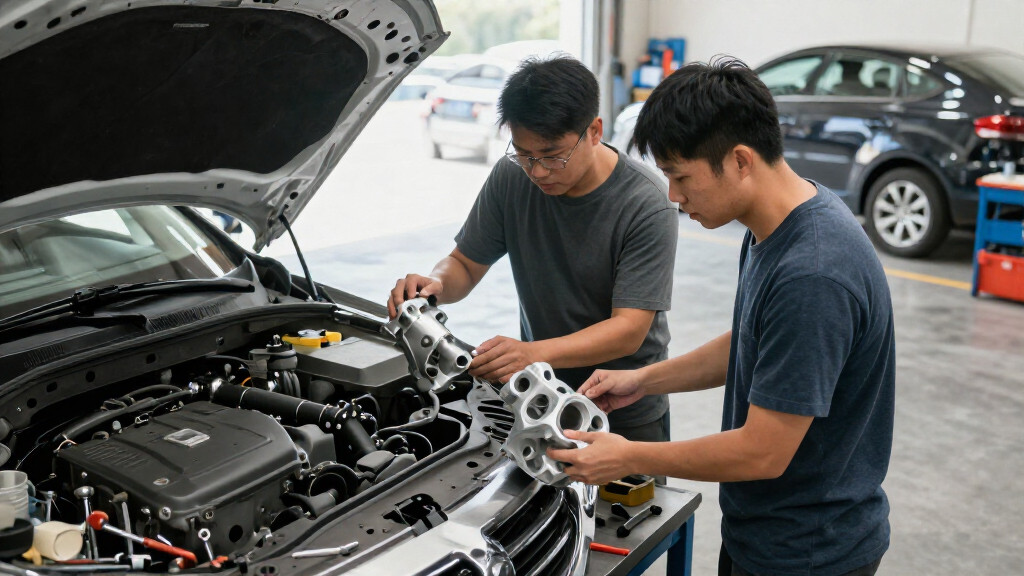
A business brief identifies a reported plan for Toyota, Nissan and Honda to standardize parts to lower costs. It provides no company statements, implementation details, timeline or savings figures, so the plan’s scope and status cannot be independently established from the available information.
A brief tracking automotive retail developments has flagged a reported plan for Toyota, Nissan and Honda to standardize some parts in an effort to lower costs. The available information does not identify which components are involved, whether the automakers have formally agreed to the plan, or when any changes might take effect, leaving independent dealerships and repair shops without confirmed details to use for purchasing or service decisions.
The item is presented as an opportunity for an automotive news monitor, not as a detailed account of a joint company announcement. It gives the headline-level claim that the three Japanese automakers intend to standardize parts to reduce costs, but includes no company statements, named executives, documents, or specific examples of parts that could be shared. The claim should therefore be treated as unverified based on the information available here.
The brief’s practical focus is independent dealership and auto-shop owners or sales leads. It argues that developments involving vehicle launches, recalls and regulation can be scattered across news reports, forums and filings, making it difficult for those businesses to identify changes that affect their work. A monitoring service could filter those developments and turn them into short summaries of what changed and what it may mean for a business.
No financial or operational figures accompany the parts-standardization claim. There is no estimate of expected savings, no information about whether standardization would apply across vehicle models or markets, and no indication of possible effects on parts availability, pricing, warranty work or repair procedures. Those details would be needed before shops could assess whether the plan changes their day-to-day operations.
Toyota, Nissan and Honda parts plan remains unverified
A brief reports that the automakers may standardize parts to lower costs. It provides no company confirmation or details shops can act on.
What the report says
The headline-level claim points to possible cost reduction, but the plan’s status and scope are unclear.
Lower costs
Standardizing some parts is presented as a way to reduce costs, with no savings estimate.
Not established
No company statement, named executive or supporting document is provided.
Details missing
The parts, vehicle models, markets and implementation timing are not identified.
What shops need before acting
Independent businesses need verified details to assess purchasing and service impacts.
Look for a direct statement or formal document from an automaker.
Check component categories, models, markets and supplier arrangements.
Assess any confirmed effects on inventory, sourcing or repair procedures.
Possible effects, not confirmed outcomes
If common parts are adopted, the impact would depend on which components and vehicles are covered.
- Parts purchasing and stock choices
- Sourcing and availability
- Repair workflows and compatibility
- Whether the automakers agreed
- Which parts or models are included
- Prices, timing and shop impact
The monitoring brief
IdeaNavigator AI describes a proposed automotive news monitor and gives the topic an 88/100 Hacker News signal score. The brief provides no scoring method or evidence that the score confirms the automakers’ plan.
What Shops Need to Know
If the automakers do adopt common parts, the change could matter to businesses that buy, stock or install replacement components. Depending on the parts and models covered, common specifications might affect inventory choices, sourcing and repair workflows. Those are possible implications, not confirmed outcomes: the brief does not say which components are under consideration or how the companies would handle supply and distribution.
For independent operators, the immediate issue is not a demonstrated cost reduction but a lack of detail. Shops cannot reliably adjust purchasing, advise customers or anticipate changes to service work from a headline alone. A verified announcement with component lists, model coverage, markets and an effective date would make the development more actionable.
The signal-monitoring idea also reflects a practical information problem. A timely alert can help a business notice an industry development, but it cannot substitute for confirmation from automakers, suppliers or official technical documentation. Readers should distinguish an early lead from a decision-ready update, particularly when the subject could affect parts procurement or vehicle repairs.
Popular right now

Dyson V9 Motorbar Cordless Vacuum

Hisense E6 Cinema Series 85-Inch 4K UHD Hi-QLED Smart Fire TV

Roborock Q10 S5+ Robot Vacuum and Mop with 10,000 Pa Suction
As an affiliate, we earn on qualifying purchases.
The Brief Behind the Headline
The item appears in an IdeaNavigator AI brief about a proposed automotive retail signal monitor. Its intended users are owners or sales leads at independent dealerships and auto shops, and its suggested product would watch sources such as Hacker News and similar feeds for vehicle launches, recalls and regulation, then prepare role-focused summaries.
The brief says the topic received an 88/100 signal on Hacker News. That score is presented as part of the brief’s screening process; no scoring method, time window, comparison baseline or evidence of broad industry attention is supplied. It should not be read as a measure of how many businesses are affected or as proof that the automakers have finalized a plan.
As a proposed way to test the monitoring service, the brief suggests sending this item and two other automotive developments to five people who fit its target audience, then checking whether they change a decision or forward a summary to a colleague. That is a suggested validation exercise, not evidence that the service has been tested or that customers have subscribed.
Plan Scope and Status Unclear
The available information does not establish whether Toyota, Nissan and Honda have jointly announced or approved a parts-standardization program. It does not identify the original announcement, the companies’ roles, the parts involved, participating suppliers, geographic coverage or affected vehicle lines. The status of the reported plan is consequently unclear.
There are also no confirmed figures for potential cost reductions, no schedule for implementation and no explanation of how common parts would be adopted in existing or future vehicles. It is not clear whether the reported effort concerns design standards, procurement, manufacturing, or another form of coordination. No direct comment from any of the three automakers is provided.
Without those details, the effects on independent businesses cannot be established. Changes to parts prices, stock levels, repair compatibility or customer costs remain possibilities rather than confirmed consequences. Further reporting or company documentation would be needed to verify both the plan and its practical impact.
Confirmation Needed Before Shop Decisions
The next useful development would be a direct statement or formal document from Toyota, Nissan or Honda specifying whether a plan exists and setting out its scope. Details on parts categories, vehicle models, markets and timing would help suppliers and repair businesses determine whether they need to review inventories, service information or purchasing plans.
Until that information is available, independent shops should treat the headline as an early, unverified signal rather than an instruction to change orders or repair practices. The IdeaNavigator AI brief proposes testing its monitoring concept with five business owners or sales leads and measuring whether the summaries affect decisions or are shared; no results from that proposed test are reported.
Source: IdeaNavigator AI
Key Questions
Have Toyota, Nissan and Honda confirmed a parts-standardization agreement?
The available brief does not include a company announcement or direct confirmation from any of the three automakers. The reported plan’s status is unclear.
Which parts would be standardized?
No components, vehicle models or technical standards are identified. The brief gives only the general claim that parts would be standardized to lower costs.
How much could the plan reduce costs?
No savings estimate or supporting financial data is provided. The cost-reduction rationale is part of the headline-level claim, not a quantified result.
Should independent repair shops change their parts orders now?
The information provided is not detailed enough to support a purchasing change. Shops would need verified company or supplier information about affected parts, models and timing first.
Source: IdeaNavigator AI