
TL;DR

Get business pricing on office and shipping supplies
- Business-only prices and quantity discounts
- Tax-exempt purchasing
- Multiple users, one account, clear invoices
Grammarly has unveiled a new AI-powered platform designed to help self-represented litigants and small businesses draft legally compliant court documents. The tool verifies citations and formatting to reduce errors, addressing a critical need in access-to-justice efforts. The development aims to improve the quality of filings and reduce costly mistakes for non-lawyers.
Grammarly has introduced a new AI-powered platform aimed at assisting non-lawyers, small business owners, and self-represented litigants in drafting court-ready legal documents. This development addresses a significant gap in access to justice by providing a tool that verifies legal citations, ensures proper formatting, and reduces the risk of filing errors. The platform’s initial focus is on demand letters, small-claims filings, and eviction notices, targeting users who typically cannot afford legal representation. The launch marks a step toward improving the quality and accuracy of legal filings for those without legal counsel, potentially reducing rejection rates and sanctions caused by citation errors or procedural mistakes.
The new platform, developed by Grammarly, is designed as a web application that guides users through structured intake questions about their case, including parties involved, amounts, contractual details, and jurisdiction. Based on this input, it generates a court- or jurisdiction-specific document that is formatted correctly and ready for electronic signing. A core feature is its ‘lawsuit Grammarly’ pass, which flags weak or missing legal elements, verifies every cited statute or case against a real legal database, and blocks hallucinated citations that could lead to sanctions or dismissal. This verification process is crucial given the rise in AI-generated citation errors in court filings, especially among self-represented litigants, who account for approximately 39% more hallucination incidents than attorneys, according to recent data.
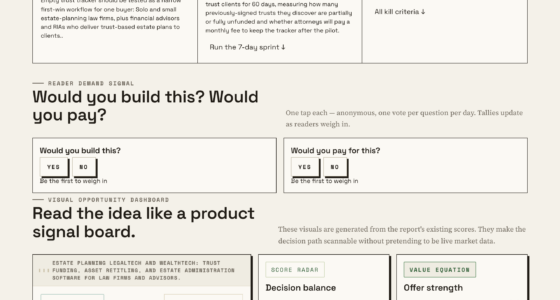
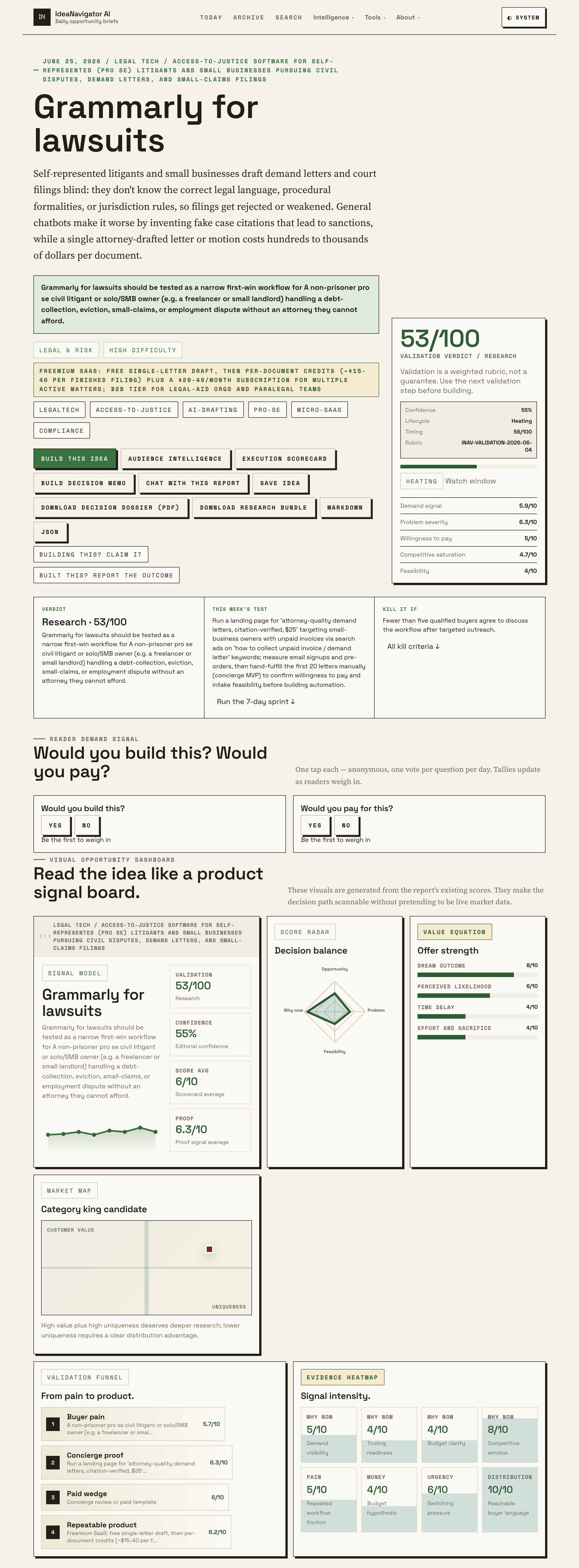
Grammarly’s initiative responds to the urgent demand for reliable, citation-verified legal drafting tools. The platform’s initial MVP targets small-business owners and landlords handling debt collection, eviction notices, or small-claims disputes, offering a free single-letter draft with optional paid credits ($15-40 per document) or a subscription model ($29-49/month). The goal is to validate the product’s market fit through a landing page campaign targeting unpaid invoice collection and demand letter services, with plans to manually fulfill the first batch of documents to assess willingness to pay and user experience before automation scales up.
Impact on Access to Justice for Self-Represented Litigants
This development is significant because it addresses a critical gap in legal access for those who cannot afford attorneys. By providing a citation-verified, court-formatted document generator, Grammarly’s tool could reduce filing errors that often lead to case dismissals, sanctions, or delays. It also offers a potential cost-effective alternative to expensive legal services, empowering individuals and small businesses to handle civil disputes more confidently. If successful, this platform could set a new standard for AI-assisted legal drafting, improving the reliability of filings and reducing the burden on courts caused by procedural mistakes or inaccurate citations.
As an affiliate, we earn on qualifying purchases.
Rising Need for Court-Ready Legal Drafting Tools
Over the past decade, the number of pro se litigants in U.S. civil courts has increased significantly, with roughly 60% of civil cases involving at least one self-represented party. Despite this, many of these litigants lack access to affordable legal assistance, often resulting in poorly drafted filings, rejected motions, or sanctions for procedural errors. In recent years, the proliferation of large language models (LLMs) has led to concerns about hallucinated citations—fake legal references that can inadvertently appear in AI-generated documents. Data indicates that pro se litigants are responsible for about 39% more hallucination incidents than attorneys, highlighting the need for verification-focused drafting tools. Currently, most legal AI tools lack robust citation verification, making Grammarly’s new approach particularly relevant.
Legal tech startups have begun exploring AI solutions for document drafting, but few focus specifically on court-formatted, citation-verified outputs tailored for non-lawyers. The timing of Grammarly’s initiative aligns with increased demand for accessible, reliable legal document automation, especially as courts grapple with an influx of pro se filings and AI-related errors.
“The rise in AI-generated citation errors among self-represented litigants underscores the urgent need for verification tools that can prevent sanctions and case dismissals.”
— an anonymous researcher
court document templates for small claims
As an affiliate, we earn on qualifying purchases.
As an affiliate, we earn on qualifying purchases.
What Aspects of the Platform Are Still Developing
It is not yet clear how well the platform will perform in real-world settings, including its ability to accurately verify citations across diverse jurisdictions and legal topics. The initial MVP is focused narrowly on demand letters and small-claims filings, but broader application to other types of legal documents remains uncertain. Additionally, the effectiveness of the verification process in preventing hallucinated citations in complex cases has not been publicly tested or validated at scale. User adoption, integration with existing court systems, and legal community acceptance are also still developing factors.
As an affiliate, we earn on qualifying purchases.
Next Steps for Product Validation and Expansion
The company plans to launch a pilot campaign targeting small-business owners and landlords, offering free and paid document drafting services to assess market interest. This will include manually fulfilling initial requests to gather feedback on accuracy, usability, and willingness to pay. Based on pilot results, the platform will be refined for broader deployment, potentially expanding to other document types and jurisdictions. Further validation will involve real-world testing with courts and legal aid organizations, aiming to integrate the tool into existing legal workflows and court systems. Continued development will also focus on enhancing citation verification accuracy and user interface improvements.
As an affiliate, we earn on qualifying purchases.
Key Questions
How does Grammarly verify legal citations?
The platform cross-references all cited statutes and case law against a real legal database to ensure accuracy and prevent hallucinated references, which are common in AI-generated legal documents.
Can this tool replace a lawyer?
No, it is designed as an assistive tool for non-lawyers handling specific types of civil filings, not a substitute for legal advice or representation.
Is the service available now?
The platform is currently in a pilot phase with a planned public launch later in 2024, starting with demand letters and small-claims filings.
What types of legal documents can it generate?
Initially, the focus is on demand letters, eviction notices, and small-claims statements, with potential expansion to other civil filings in future updates.
How much does it cost to use?
The basic draft is free, with optional paid credits ($15-40 per document) and monthly subscriptions ($29-49) for multiple filings. Pricing details may vary as the platform develops.
Source: IdeaNavigator AI
Halloween Picks
halloween
As an affiliate, we earn on qualifying purchases.