
To make your geo-targeted email campaigns more effective, start by segmenting your audience based on ZIP code demographics and local trends. Focus on areas with high potential customers, tailoring messages to resonate with specific groups like families or seniors. Use geographic clustering to allocate your budget wisely and target underserved markets. By incorporating local culture and preferences, you’ll boost engagement and conversions. If you keep exploring, you’ll discover how to maximize these strategies for even better results.

Get business pricing on office and shipping supplies
- Business-only prices and quantity discounts
- Tax-exempt purchasing
- Multiple users, one account, clear invoices
Key Takeaways
- Use demographic data within ZIP codes to craft highly personalized and relevant email content.
- Focus on geographic clusters with high potential to optimize marketing efforts and budget.
- Identify underserved or emerging markets through ZIP code analysis for strategic campaign targeting.
- Incorporate local cultural insights and trends to increase engagement and relevance in messaging.
- Segment audiences by ZIP code to deliver timely, targeted campaigns that improve customer response rates.

With ZIP code segmentation, you can tailor your messaging based on the unique characteristics of each area. For example, if a particular ZIP code shows a high density of young families, your email can highlight products or services that appeal to parents. Conversely, in neighborhoods with an older demographic, you might promote different offerings. Recognizing these demographic insights helps you avoid generic messaging and instead deliver content that resonates deeply with your audience. This targeted approach boosts your chances of building stronger relationships and fostering brand loyalty.
Tailor your messaging by ZIP code demographics to build stronger relationships and boost brand loyalty.
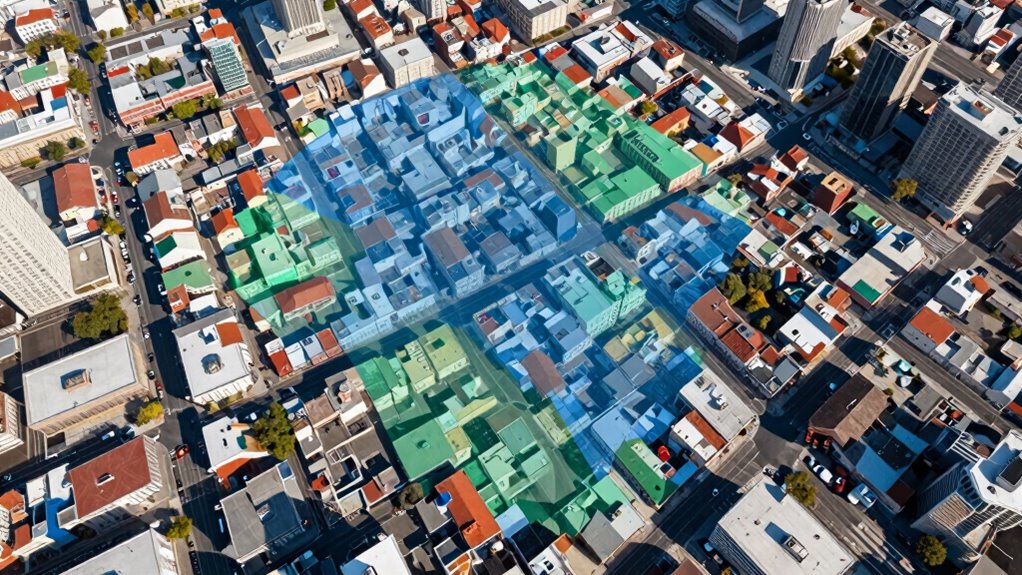
Understanding geographic clustering also helps you maximize your marketing efforts. Instead of spreading your resources thin across broad regions, you focus on the ZIP codes where your potential customers are most concentrated. This strategic targeting ensures your campaigns are more cost-effective and impactful. When you segment your audience by ZIP code, you can schedule your emails to reach recipients at ideal times based on local habits or preferences, further personalizing your outreach. Recognizing demographic insights as a key component of geographic clustering enhances your ability to craft relevant messages. Additionally, leveraging geographic data can help you identify market opportunities that may have been previously overlooked. This approach allows you to adapt quickly to shifting trends and consumer behaviors within specific areas, making your marketing efforts more agile.
In addition, ZIP code segmentation can reveal underserved markets or emerging areas of interest. You might discover a ZIP code where demand for your product is growing, prompting you to increase marketing efforts there. Alternatively, you may find regions where your competitors are weak, giving you an advantage to capture market share. The insights gained from geographic clustering enable you to make smarter decisions about where to allocate your marketing budget and efforts. Incorporating geographic data analysis into your overall marketing strategy ensures you stay ahead of competitors and respond swiftly to new opportunities. Moreover, understanding the local culture and trends within each ZIP code can further refine your messaging and increase engagement.
Ultimately, ZIP code segmentation empowers you to move beyond generic mass emailing and craft targeted, meaningful campaigns. By focusing on demographic insights and geographic clustering, you can connect with your audience more effectively, delivering the right message to the right people at the right time. This level of precision not only enhances your campaign performance but also helps you build a stronger, more engaged customer base. When you harness the power of ZIP code segmentation, you turn geographic data into a strategic advantage — making your email marketing more useful, relevant, and successful.
As an affiliate, we earn on qualifying purchases.
Frequently Asked Questions
How Often Should ZIP Code Data Be Updated for Accuracy?
You should refresh your ZIP code data at least every six months to guarantee accuracy. Regular data refreshes help maintain the accuracy of your geo-targeted email campaigns, preventing outdated or incorrect zip codes from affecting your targeting. Staying proactive with data updates ensures your segmentation remains precise, allowing you to deliver relevant content to the right audiences. Consistent accuracy maintenance boosts campaign effectiveness and customer engagement.
Can ZIP Code Segmentation Improve Email Engagement Rates Significantly?
You can see a 29% increase in email engagement when you use ZIP code segmentation, proving it boosts relevance. When you focus on demographic relevance and geographic precision, your messages resonate more deeply, encouraging opens and clicks. ZIP code segmentation helps tailor content to local interests and needs, making your campaigns more timely and meaningful. This targeted approach markedly enhances your chances of connecting with your audience effectively.
What Are Common Challenges in Implementing ZIP Code Segmentation?
You’ll face challenges like demographic overlap, which can make your segmentation less precise, and geographic inaccuracies due to outdated or incorrect ZIP codes. These issues can lead to mis-targeted emails, reducing engagement. To overcome them, guarantee your data is regularly updated and verified. You also need to balance granularity with practicality, avoiding overly narrow segments that might complicate your campaigns without delivering better results.
How Do Privacy Laws Affect ZIP Code Data Collection?
Did you know over 80% of consumers are concerned about data privacy? Privacy laws greatly impact how you collect ZIP code data, requiring strict legal compliance to avoid fines. These laws restrict sharing and storing personal information, including ZIP codes, emphasizing transparency and user consent. To stay compliant, you must understand regulations like GDPR or CCPA, ensuring your data privacy practices respect customer rights while enabling effective geo-targeted email campaigns.
Is ZIP Code Segmentation Effective for Small or Rural Markets?
Zip code segmentation can be effective for small or rural markets because it uncovers rural demographic insights and highlights geographic market diversity. You can tailor your messages to specific rural communities, making your campaigns more relevant and engaging. While these areas might have fewer data points, understanding local nuances helps you connect more deeply, boosting engagement and conversions. Just make certain your data collection respects privacy laws and local sensitivities.
geo-targeted email marketing software
As an affiliate, we earn on qualifying purchases.
As an affiliate, we earn on qualifying purchases.
Conclusion
By embracing ZIP code segmentation, you open a subtle yet powerful way to connect with your audience more authentically. It’s no coincidence that tailored messages often resonate deeper—your audience’s locations subtly influence their needs and preferences. When you leverage this insight, you create a more personalized experience that feels almost destined. Ultimately, understanding the geography of your customers isn’t just strategy; it’s the key to building genuine relationships that stand the test of time.
As an affiliate, we earn on qualifying purchases.
As an affiliate, we earn on qualifying purchases.
Halloween Picks
halloween
As an affiliate, we earn on qualifying purchases.