
TL;DR

Get business pricing on office and shipping supplies
- Business-only prices and quantity discounts
- Tax-exempt purchasing
- Multiple users, one account, clear invoices
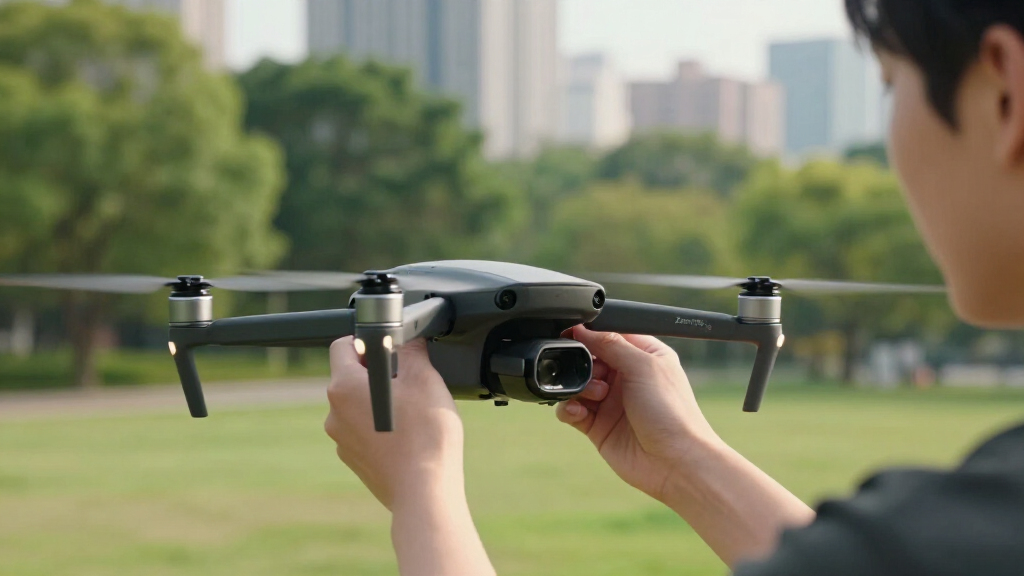
ZenaTech has initiated testing of its new Interceptor P-1 drone, a counter-UAS system aimed at identifying and disabling hostile drones. This marks a key step toward operational deployment, though full capabilities are still under development.
ZenaTech has begun the testing phase of its Interceptor P-1 drone platform, a system designed to detect and neutralize unmanned aerial systems (UAS). The move represents a significant step toward operational deployment of counter-UAS technology, which is increasingly in demand for military and security applications.
The Interceptor P-1 is a new drone platform developed by ZenaTech, a company specializing in drone and defense systems. According to a GlobeNewswire statement, the company has initiated testing activities to evaluate the drone’s capabilities in real-world scenarios. The platform is designed to identify, track, and disable unauthorized or hostile drones, addressing rising concerns over drone security threats.
While specific technical details of the Interceptor P-1 remain proprietary, ZenaTech has emphasized that the system incorporates advanced sensors and jamming technology to neutralize target drones. The testing phase will assess its effectiveness, reliability, and operational readiness before potential commercialization or military adoption.
Officials from ZenaTech indicated that the testing is being conducted at dedicated facilities, with initial results expected within the coming months. The company aims to refine the platform’s detection range, response speed, and jamming capabilities during this phase.
Implications for Drone Defense and Security
The testing of the Interceptor P-1 signals a notable advancement in counter-UAS technology, a rapidly growing sector driven by increasing drone threats. As hostile or unauthorized drones become more prevalent in military, border security, and critical infrastructure contexts, effective countermeasures are essential. The successful development of platforms like the Interceptor P-1 could enhance national security, protect assets, and influence the global arms market for drone defense systems.
Furthermore, this development underscores the growing demand for integrated drone detection and neutralization solutions, which are seen as vital components in modern security architectures.
Popular right now

Samsung 42-Inch S90H OLED 4K Smart TV Bundle

De'Longhi Linea Classic Espresso Machine with Adjustable Milk Frother

Ninja Flip Toaster Oven and Air Fryer, 8-in-1, Stainless Steel, SP151
As an affiliate, we earn on qualifying purchases.
Growing Need for Counter-UAS Technologies
The emergence of counter-UAS systems has become a priority for governments and security agencies worldwide. In recent years, incidents involving hostile drones near military bases, airports, and critical infrastructure have increased, prompting investments in detection and interdiction solutions.
ZenaTech’s move to test the Interceptor P-1 aligns with a broader industry trend toward developing autonomous or semi-autonomous drone defense platforms. Several companies are racing to bring effective countermeasures to market, with government agencies also increasing funding and strategic focus on this technology.
While the Interceptor P-1 is still in testing, it joins a growing list of systems designed to address evolving drone threats, which include detection radars, jamming devices, and interceptor drones.
Details on Capabilities and Deployment Still Unclear
Specific technical details of the Interceptor P-1, such as detection range, jamming power, and operational deployment plans, have not been publicly disclosed. It is also unclear when the system might be ready for commercial or military use, as testing is still in early stages and results are pending.
Additionally, the extent of the system’s autonomous capabilities and its effectiveness against different drone types remain to be seen.
Next Steps in Testing and Evaluation Timeline
ZenaTech will continue its testing phase over the coming months, focusing on refining system performance. The company expects to release initial test results within the next quarter, which will inform further development or adjustments. Pending successful evaluations, the platform could move toward larger-scale testing or initial deployment in select security environments.
Further announcements from ZenaTech are anticipated as the testing progresses, potentially including details on technical specifications and deployment strategies.
Key Questions
What is the purpose of the Interceptor P-1 drone?
The Interceptor P-1 is designed to detect, track, and neutralize unauthorized or hostile drones, enhancing security against drone threats in sensitive areas.
When will the Interceptor P-1 be available for operational use?
It is not yet clear when the system will be ready for deployment, as it remains in the testing phase with results pending.
Who is developing the Interceptor P-1?
ZenaTech, a defense and drone technology company, is developing and testing the platform.
How does the Interceptor P-1 work?
While specific details are proprietary, the platform likely uses sensors to detect drones and jamming technology to disable or intercept them.
What are the broader implications of this development?
The successful testing could lead to improved drone defense systems, addressing increasing security threats from malicious or unauthorized drones worldwide.
Source: primary