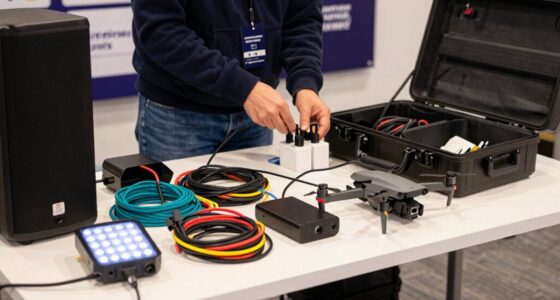
Many small teams overlook critical power planning details until the venue opens, risking safety hazards, equipment failures, or event disruptions. You might forget to check existing outlets, assess power needs, or plan load management, leading to overloads or unsafe setups. Ensuring proper cable management, backup power, and safety protocols can save you from last-minute issues. If you keep exploring, you’ll discover essential tips to keep your event running smoothly and safely from start to finish.

Get business pricing on office and shipping supplies
- Business-only prices and quantity discounts
- Tax-exempt purchasing
- Multiple users, one account, clear invoices
Key Takeaways
- Small teams often overlook detailed power load management, risking overloads once all equipment is connected.
- They may neglect testing all connections and equipment before the event, leading to last-minute failures.
- Inadequate communication with venue staff about power needs and safety protocols causes confusion during setup.
- Teams tend to underestimate the importance of backup power sources for outdoor or long-duration events.
- They often ignore securing cables and extension cords, creating trip hazards that surface only when the venue opens.
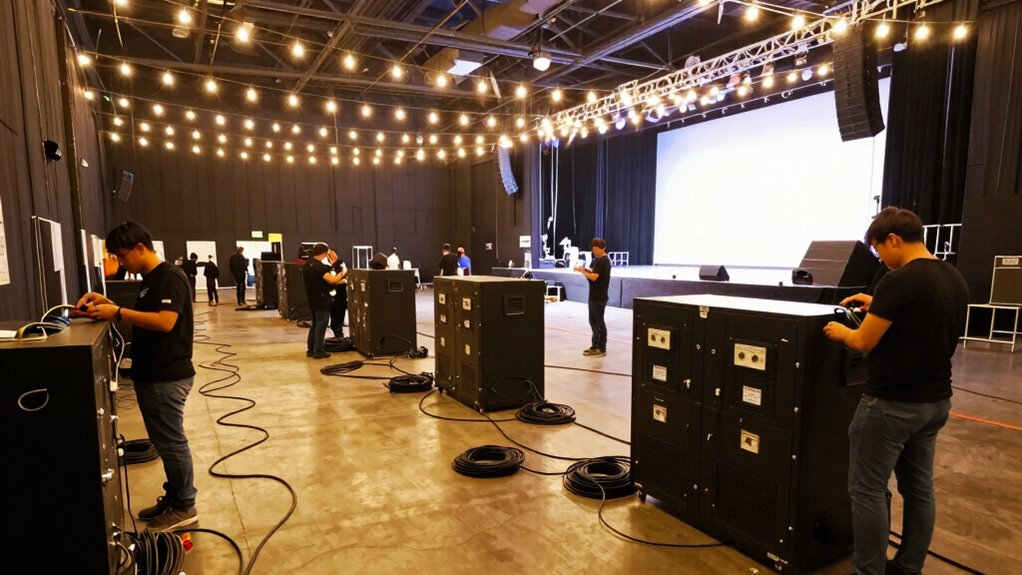
Planning the power supply and extension setup for your event is indispensable to guarantee everything runs smoothly. When you’re organizing, it’s easy to focus on the big picture—venue selection, guest experience, and entertainment. But overlooked details, like power distribution, can halt your plans in their tracks. You need to think about venue logistics to confirm your electrical setup matches the event’s scale and needs. This means evaluating the venue’s existing power capacity and identifying where additional outlets or generators are necessary. Without a clear plan for power extensions, you risk running cords across walkways, creating hazards or tripping risks, which directly affects safety protocols.
Proper power planning ensures safety, prevents outages, and keeps your event running smoothly.
One of the biggest mistakes small teams make is neglecting to conduct a thorough site survey before the event. You should walk through the venue, pinpointing where power outlets are located and where you’ll need extra power sources. This proactive approach helps prevent last-minute scrambling, which can lead to unsafe setups or insufficient power supply. It’s essential to contemplate the placement of equipment, lighting, sound systems, and other electrical devices. Overloading circuits is a common pitfall that can cause outages or damage equipment, so planning for proper load management is key. Incorporate heavy-duty extension cords and power strips rated for your equipment’s wattage, and ensure they’re rated for outdoor use if necessary.
Safety protocols should be at the forefront of your planning. Never overload a circuit, and always confirm extension cords are laid out in a way that minimizes trip hazards. Use cable covers or tape down cords to keep walkways clear. If your event runs long or involves outdoor elements, consider backup power options like generators to prevent interruptions. Make sure your team knows how to operate and maintain backup power sources safely. Also, keep fire extinguishers nearby, especially if you’re dealing with high wattage equipment or generators. It’s easy to overlook these details when you’re busy, but neglecting safety protocols can lead to accidents or worse, liability issues. Additionally, understanding power requirements and how to meet them safely can help prevent overloads and ensure a smooth event. Properly assessing electrical load management** is vital to avoid unexpected outages or equipment damage. Furthermore, staying informed about the latest safety standards ensures your setup remains compliant and reduces risks during the event. Regularly reviewing safety guidelines** helps maintain a safe environment for everyone involved.
Finally, communicate your power and extension plan clearly with your team and venue staff before the event. Everyone should understand the layout, safety measures, and emergency procedures. During setup, double-check all connections and test equipment thoroughly. This diligence ensures that when the event kicks off, you won’t be caught off guard by power failures or safety issues. Small teams often overlook these indispensable steps until the venue opens, but by planning meticulously ahead of time, you safeguard your event’s success and the well-being of everyone involved.
heavy-duty outdoor extension cords
As an affiliate, we earn on qualifying purchases.
As an affiliate, we earn on qualifying purchases.
Frequently Asked Questions
How Early Should Power Planning Begin for a New Venue?
You should start power planning at least six months before your event. This gives you enough time to guarantee venue lighting and audio amplification systems are adequately designed and installed. Early planning helps you identify power needs, avoid last-minute surprises, and coordinate with electricians. By beginning early, you ensure your venue’s power setup supports all technical requirements, creating a seamless experience for attendees and staff alike.
What Are Common Overlooked Extension Needs During Event Planning?
You often overlook extension needs like extra power outlets and cabling for longer event durations, especially when managing larger audiences. Imagine the crowd growing, lights dimming, and your equipment straining. You need more than just basic power; consider backup generators, additional circuits, and flexible extension cords. These unseen details guarantee your event runs smoothly, accommodating the full audience capacity without hiccups, keeping everyone engaged and the atmosphere seamless.
How to Ensure Backup Power for Critical Systems?
To guarantee backup power for critical systems, you should regularly perform generator maintenance to ensure reliability. Set up a dedicated power distribution system that isolates essential equipment, preventing outages during primary power failures. Test your backup system regularly under load conditions, and keep spare parts on hand. This proactive approach ensures your critical systems stay operational, even if the main power source fails unexpectedly.
What Permits Are Required for Extending Event Infrastructure?
When extending event infrastructure, you need to secure the right permits, like an event permit for amplified sound or temporary structures. For example, a small team in Chicago had to obtain both city permits and special approvals for adding extra lighting and staging. Always check local regulations and coordinate with city authorities beforehand. Ensuring you meet all infrastructure extension requirements helps avoid delays, fines, or shutdowns once the event kicks off.
How to Coordinate Power and Extension Planning With Venue Staff?
You should coordinate power and extension planning with venue staff early by setting up a clear communication plan. Discuss your event lighting needs and guarantee staff understand your setup. Share detailed diagrams and timelines, and confirm their availability for on-site adjustments. Regular check-ins help prevent surprises, and involving staff in the planning ensures everyone’s aligned, making your event run smoothly from start to finish.
portable backup generator for events
As an affiliate, we earn on qualifying purchases.
As an affiliate, we earn on qualifying purchases.
Conclusion
As you stand at the threshold of your event, remember that every overlooked detail is like a silent shadow waiting to emerge. Proper power and extension planning are your guiding stars, illuminating the path through uncertainty. When the venue opens, you’ll realize that mastering these elements isn’t just about logistics — it’s about lighting the way for your team’s success, ensuring your event’s spirit shines bright, unshadowed by preventable setbacks.
cable management tape and covers
As an affiliate, we earn on qualifying purchases.
As an affiliate, we earn on qualifying purchases.
power strips with surge protection
As an affiliate, we earn on qualifying purchases.
As an affiliate, we earn on qualifying purchases.
Halloween Picks
halloween
As an affiliate, we earn on qualifying purchases.