

To adapt your drip campaigns for long versus short sales cycles, focus on timing, messaging, and engagement style. For long cycles, spread out personalized, educational content to build trust over weeks or months. For short cycles, send more frequent, benefit-driven messages that create urgency and prompt quick decisions. Adjust your sequencing based on the prospect’s stage and buying timeline. Want to discover how to fine-tune your approach for maximum results? Keep exploring these strategies.
Key Takeaways
- Tailor content timing and frequency to match the sales cycle length, with spaced-out messages for long cycles and frequent touches for short cycles.
- Use educational, value-driven content over time to nurture prospects in long sales cycles, while focusing on immediate benefits for short cycles.
- Personalize messaging based on engagement levels for long cycles, and emphasize urgency and social proof in short-cycle campaigns.
- Structure drip sequences to gradually build trust and address objections in long sales cycles, versus quick calls-to-action in short cycles.
- Continuously monitor engagement to adapt content sequencing and timing, ensuring relevance across different sales cycle durations.

Understanding the differences between long and short sales cycles is essential when designing effective drip campaigns. Your approach to lead nurturing must adapt based on the timeframe in which a prospect is likely to make a decision. In a long sales cycle, prospects typically need more time and multiple touchpoints to build trust and move closer to conversion. This means your content sequencing should be carefully planned to gradually educate, engage, and guide your leads through each stage of their journey. You want to deliver relevant information at the right moment, helping prospects see the value of your offering and overcoming any objections along the way. Patience is key here, and your drip campaign should extend over weeks or even months, consistently providing value without overwhelming your leads with too much information at once. Additionally, understanding the role of content format in your campaign can help you better tailor your messages to different stages of the sales cycle.
Long sales cycles require patience, strategic content sequencing, and gradual engagement over weeks or months.
In contrast, short sales cycles demand a different strategy. Since prospects are more ready to buy quickly, your lead nurturing efforts should focus on providing concise, compelling content that accelerates their decision-making process. The content sequencing in this case should emphasize immediate benefits, social proof, and clear calls to action. Your goal is to create a sense of urgency and guide prospects seamlessly from interest to purchase with minimal delay. With shorter cycles, your drip campaign can be more aggressive, delivering frequent, targeted messages that keep your brand top of mind and push prospects toward quick decisions.
Another critical aspect of adapting your drip campaigns for different sales cycles is understanding the importance of timing and frequency. In long cycles, spacing your emails out over weeks helps prevent fatigue and allows prospects to absorb your messages at their own pace. You can also tailor your content based on engagement levels, sending more personalized messages to those who show interest. For short cycles, a higher frequency of emails might be necessary to maintain momentum, but you still need to balance this to avoid overwhelming your audience.
Ultimately, your success hinges on how well you customize your lead nurturing and content sequencing to match the sales cycle. By aligning your messaging with the prospect’s buying timeline, you increase the chances of guiding them to conversion efficiently. Whether it takes months or just a few days, a well-structured drip campaign that considers these differences will keep your leads engaged, informed, and more likely to choose your solution.
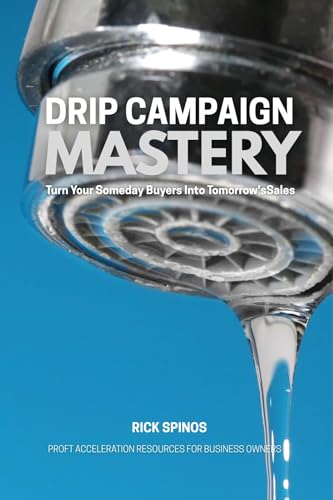
Drip Campaign Mastery: Turn Your Someday Buyers Into Tomorrow's Sales (Profit Acceleration Resources for Business Owners)
As an affiliate, we earn on qualifying purchases.
As an affiliate, we earn on qualifying purchases.
Frequently Asked Questions
How Do I Measure Drip Campaign Success Across Different Sales Cycles?
You measure drip campaign success across different sales cycles by tracking key metrics like open rates, click-through rates, and conversions through metrics tracking. Engagement analysis helps you see how prospects interact with your content over time. For short sales cycles, focus on quick response metrics, while for longer cycles, monitor sustained engagement and nurturing progress. Adjust your strategy based on these insights to optimize results effectively.
What Content Types Work Best for Long Versus Short Sales Cycles?
For long sales cycles, prioritize content formats like educational emails, case studies, and webinars that build trust and keep your audience engaged over time. For short sales cycles, quick, direct content such as product demos, discounts, and limited-time offers work best to spark immediate customer engagement. Adjust your content formats to match the sales cycle length, ensuring consistent customer engagement and nurturing leads effectively.
How Often Should I Adjust My Drip Campaigns Over Time?
Imagine your campaign as a garden that needs tending. You should adjust your campaign frequency regularly—every few months or when you notice changes in engagement—to keep your audience interested. Use audience segmentation to identify which groups need more frequent touches and which can be spaced out. This ongoing adaptation guarantees your drip campaigns stay fresh, relevant, and effective in nurturing leads through both long and short sales cycles.
Can Automation Tools Improve Drip Campaign Effectiveness?
Yes, automation tools can boost your drip campaign effectiveness through AI integration and segmentation strategies. AI helps personalize content, making your messages more relevant to each recipient, while segmentation allows you to target specific groups effectively. By combining these, you can deliver timely, tailored messages that nurture leads better and increase conversions, whether your sales cycle is long or short. Ultimately, automation streamlines your efforts and enhances engagement.
How Do I Personalize Messages for Diverse Customer Segments?
Imagine each customer as a unique tree in your garden. To personalize messages effectively, you focus on customer segmentation—grouping these trees by their needs and growth patterns. Then, you craft message customization tailored to each group’s preferences. By understanding their roots and branches, you deliver relevant content that resonates deeply, fostering stronger connections and nurturing long-term relationships. Your thoughtful approach transforms diverse segments into thriving, vibrant communities.

Jameco BenchPro Lead Forming Tool for Resistors and Capacitors
- Tool Type: Resistor Lead Former
As an affiliate, we earn on qualifying purchases.
As an affiliate, we earn on qualifying purchases.
Conclusion
Whether your sales journey is a gentle, winding path or a swift, straight shot, adapting your drip campaign keeps your prospects engaged and nurtured. By fine-tuning your approach, you gently guide leads toward decision-making, respecting their pace while staying present. Remember, patience and persistence can turn a slow dance into a confident step forward. Embrace the ebb and flow, and watch your strategy blossom into a seamless rhythm that naturally guides your prospects home.

Email Platform Manager Ceramic Mug, Black/White
- Perfect for Email Platform Managers: Ideal for overseeing email marketing platforms
- Humorous Design: Features 'Don't Panic I'm A Professional Email Platform Manager'
- Dishwasher & Microwave Safe: 11-ounce ceramic mug, lead and BPA free
As an affiliate, we earn on qualifying purchases.
As an affiliate, we earn on qualifying purchases.

Transition Towards Energy Efficient Machine Tools (Sustainable Production, Life Cycle Engineering and Management)
As an affiliate, we earn on qualifying purchases.
As an affiliate, we earn on qualifying purchases.