
Relying on a static “set it and forget it” onboarding email flow often backfires because it doesn’t account for your users’ evolving needs or behaviors. This approach risks delivering outdated or irrelevant content, which can decrease engagement and trust. Without ongoing updates or responses to user actions, you miss chances to personalize messages and improve retention. If you want to discover how continuous adjustments can boost your onboarding success, keep exploring these strategies.

Get business pricing on office and shipping supplies
- Business-only prices and quantity discounts
- Tax-exempt purchasing
- Multiple users, one account, clear invoices
Key Takeaways
- Static onboarding flows ignore individual user needs, reducing relevance and engagement over time.
- “Set it and forget it” strategies miss evolving user behaviors, leading to outdated content.
- Personalized, segmented emails respond better to user actions, increasing onboarding success.
- Automated sequences that aren’t regularly optimized risk user disengagement and higher churn.
- Continuous monitoring and updates ensure onboarding remains relevant, boosting retention and loyalty.
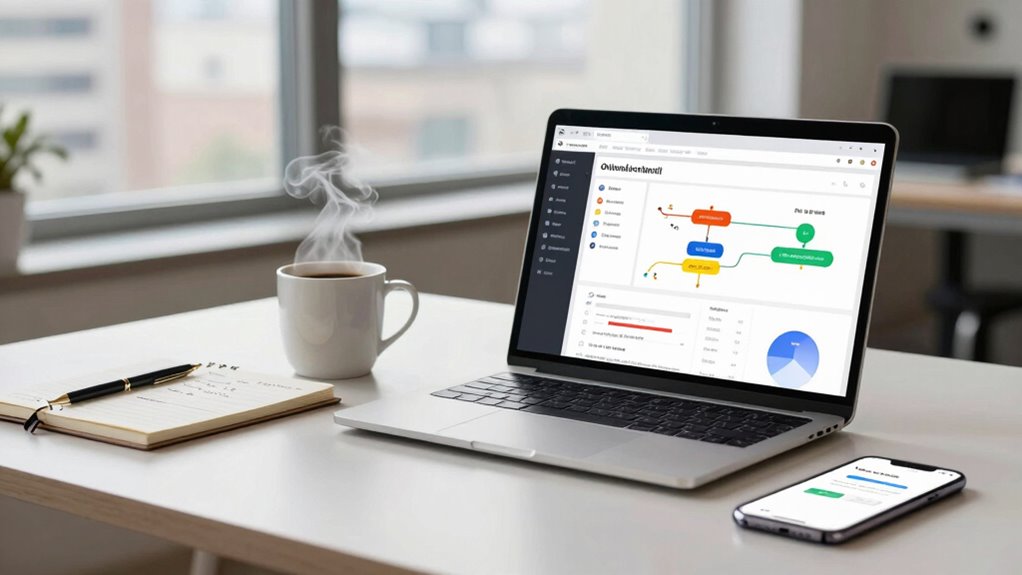
Have you ever wondered how a seamless onboarding email flow can turn new users into loyal customers? It’s a vital part of building strong customer relationships, but many companies fall into the trap of thinking, “Set it and forget it” when it comes to automated onboarding sequences. The truth is, a static, one-size-fits-all flow often backfires because it doesn’t account for individual user needs or behaviors. Instead, effective onboarding relies on strategic email segmentation and ongoing engagement.
Effective onboarding requires personalized, segmented email flows that adapt to user needs and behaviors.
When you treat onboarding as a one-time setup, you miss out on personalized customer engagement. Every user’s journey is different, and their motivations, interests, and pain points vary. By using email segmentation, you can tailor your messages to specific groups based on their actions, preferences, or demographics. For example, new users who sign up through a mobile device might receive different onboarding tips than those on desktop. Segmentation allows you to deliver relevant content that resonates, increases open rates, and encourages active participation. Additionally, monitoring user interactions can help you identify behavioral signals that inform your messaging strategy, ensuring your approach remains dynamic and responsive.
Relying solely on a pre-set flow means you lose the opportunity to respond in real-time to user behavior. If a user hasn’t completed an onboarding step or shows signs of confusion, automated emails should be triggered to address their concerns. Without such dynamic adjustments, you risk losing engagement and, ultimately, customers. Personalization is key to customer engagement; it shows that you understand their unique needs and are committed to supporting their journey. Moreover, incorporating feedback loops can help you continuously optimize your onboarding process for better results.
Additionally, the “set it and forget it” mentality often results in stale content that no longer aligns with your users’ evolving needs. Customers expect relevant, timely communication, and if your onboarding emails become repetitive or irrelevant, they’ll tune out or unsubscribe. Regularly reviewing and updating your email flow ensures you stay aligned with your customers’ expectations and behaviors. Incorporating insights from biodiversity and conservation can inspire innovative ways to adapt your messaging and foster long-term loyalty, demonstrating the importance of content relevance in maintaining engagement.
In essence, successful onboarding isn’t about launching an automated sequence and walking away. It’s about continuously engaging your users with targeted, personalized emails that adapt as they progress. By avoiding the trap of static flows and embracing email segmentation, you foster deeper customer engagement, improve retention, and turn new users into loyal advocates. A thoughtful, adaptable onboarding strategy makes all the difference in building lasting relationships—something that a “set it and forget it” approach simply can’t achieve.
As an affiliate, we earn on qualifying purchases.
Frequently Asked Questions
How Often Should Onboarding Emails Be Sent?
You should send onboarding emails frequently enough to keep engagement high without overwhelming your new users. Typically, an email frequency of 2-3 messages within the first week works well. Focus on engagement timing, sending emails when users are most receptive—like right after sign-up or during key moments. Regular, well-timed emails help build trust and guide users effectively, rather than risking disengagement by overloading or under-communicating.
What Metrics Indicate Success in Onboarding Email Flows?
Did you know that a 20% increase in onboarding email open rates can boost customer retention by 15%? Success metrics for onboarding flows include open rates, click-through rates, and user engagement levels. These indicators show if your emails resonate and drive action. Consistently tracking these metrics helps you refine your strategy, ensuring new users stay engaged and loyal over time.
How Can Personalization Improve Onboarding Email Engagement?
You can boost onboarding email engagement by using behavior segmentation to tailor messages based on user actions. Incorporate dynamic content that adapts in real-time to each recipient’s preferences and interactions. This personalization makes your emails more relevant, encouraging users to stay engaged and complete onboarding. When you address individual needs through behavior segmentation and dynamic content, you create a more compelling experience that fosters trust and accelerates user adoption.
What Are Common Mistakes to Avoid in Onboarding Emails?
Oh, the classic mistake of neglecting your welcome email or skipping updates to your onboarding sequence. You might think one-size-fits-all works, but it doesn’t. Avoid sending generic messages, overloading with info, or ignoring personalization. Instead, craft engaging, timely emails that genuinely welcome and guide your users. Remember, a well-timed, personalized welcome email can turn new users into loyal fans, while neglecting it risks leaving them confused or disengaged.
When Is the Best Time to Send Onboarding Emails?
You should send onboarding emails immediately after someone signs up, leveraging a timing strategy that captures their interest early. Use engagement triggers like recent activity or specific actions to determine the best moments to reach out. This approach keeps your emails relevant and timely, increasing the chances of building a connection. Avoid waiting too long, as delayed emails can miss the initial engagement window and reduce overall effectiveness.
As an affiliate, we earn on qualifying purchases.
Conclusion
Remember, over 70% of users disengage within the first week if onboarding emails feel impersonal or static. Don’t just set it and forget it—regularly update your onboarding flow to keep it fresh and relevant. Personal touches, timely follow-ups, and adaptive content can boost engagement and retention. Keep your onboarding dynamic; otherwise, those initial signups may quickly fade away. Stay proactive, and turn new users into loyal customers.
personalized email marketing software
As an affiliate, we earn on qualifying purchases.
As an affiliate, we earn on qualifying purchases.
email analytics and monitoring tools
As an affiliate, we earn on qualifying purchases.
As an affiliate, we earn on qualifying purchases.
Fall Picks
fall essentials
As an affiliate, we earn on qualifying purchases.