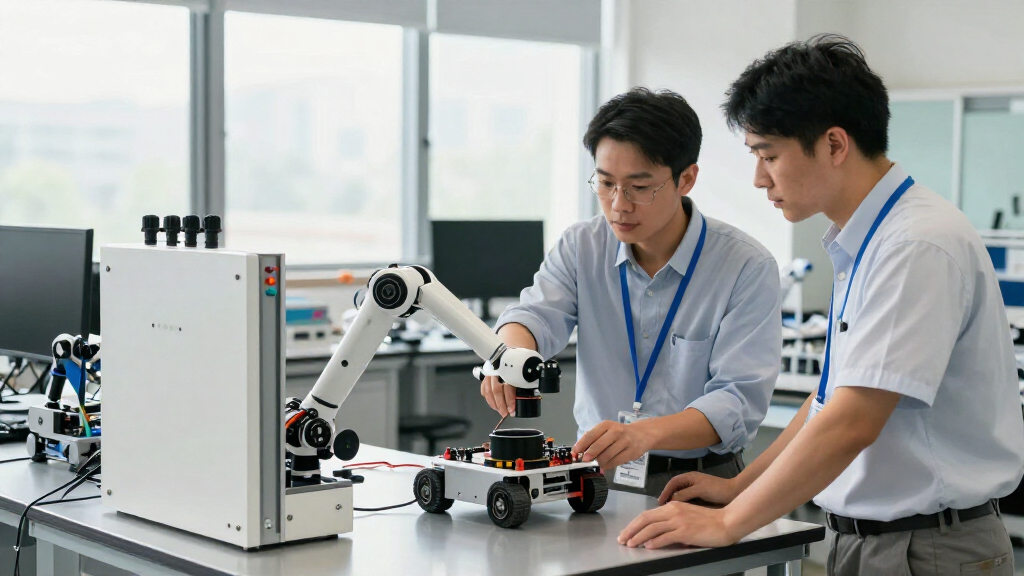

🔍 Read the full analysis: The Role Of Robotics In ByteDance's Real-World AI Ambitions on ThorstenMeyerAI.com

Get business pricing on office and shipping supplies
- Business-only prices and quantity discounts
- Tax-exempt purchasing
- Multiple users, one account, clear invoices
TL;DR
Asia Business Outlook reports that ByteDance is expanding robotics hiring as it looks to apply AI in real-world settings. The available report provides no hiring figures, locations, project details or company statement, so it does not confirm a robotics product or deployment.
ByteDance is reportedly expanding robotics hiring as it seeks to apply artificial intelligence in real-world settings, according to Asia Business Outlook’s report. The report text available here gives no roles, locations, hiring numbers or project details, so the scope of the effort—and whether it is tied to a product—remains unknown.
The reported development is a recruitment effort, not a confirmed robotics launch. The headline connects ByteDance’s hiring to bringing AI into physical settings, but the available report does not describe a specific team, research program, machine or intended use. It also does not say how many people the company plans to hire or whether recruitment has begun.
No attributable statement from ByteDance or named executive is included in the available material. There are no quotes explaining the company’s objectives, the technical work involved or how robotics fits its broader AI plans. The headline is therefore the basis for the hiring report; further claims about the effort’s scale or commercial direction would go beyond what is confirmed.
The distinction between recruitment and deployment matters. Hiring specialists can indicate interest and a possible investment of resources, but it does not establish that ByteDance has built, tested or released an AI-powered robot. The available report offers no prototype, trial, customer or release information.
What Robotics Hiring Could Signal
If the recruitment is broad and linked to a defined program, it could indicate that ByteDance is exploring AI systems that operate beyond digital services. Robotics can require software to interpret sensor information and interact with objects and changing surroundings. Those demands differ from tasks performed solely through screens, although the report does not say which challenges ByteDance intends to address.
For readers tracking the company’s AI direction, hiring is an early but limited signal of where it may be assigning talent. Without job descriptions, team information or a stated purpose, it is not possible to determine whether the work is exploratory research, internal technology development or preparation for a customer-facing product. Nor does the report establish the size of any investment.
The development also touches a broader industry question: whether AI capabilities can be made useful in physical environments. Recruitment alone cannot answer that. Evidence such as working prototypes, controlled trials or deployments would be needed to assess how far the effort has progressed and what practical applications it might support.
Popular right now

Roborock Q7 M5+ Robot Vacuum and Mop

Dreame L50 Ultra Robot Vacuum and Mop

Samsung 42-Inch Class OLED S90F 4K Smart TV (2025)
As an affiliate, we earn on qualifying purchases.
From AI Software to Robotics
Robotics brings together software and machines that sense and act in the physical world. Depending on the application, an AI system may need to interpret its surroundings, choose an action and account for the effects of movement or contact. These are general features of robotics work, not confirmed details of ByteDance’s reported hiring.
The Asia Business Outlook headline frames the recruitment as a step toward real-world AI, but the material available here does not name a model, robotics initiative or commercial plan. It also supplies no earlier company announcement or timeline that would place the hiring in a confirmed sequence of developments. The report should therefore be read narrowly: it signals reported recruitment, without establishing a particular product strategy.
Hiring Scale and Projects Unconfirmed
The available report leaves basic questions unanswered: how many roles are involved, which locations or teams are recruiting, what technical specialties are sought and whether the positions support research, product development or another activity. It does not say whether the recruitment is already under way or set a timeline.
There is also no confirmed target application, customer, prototype, trial or release schedule. The phrase “real-world” in the headline does not establish that a robot has been built or deployed. ByteDance has not provided a statement in the source material, and no independent details there clarify the report’s scope. Until more information is available, the scale and maturity of the effort remain unclear.
Details Needed to Track Progress
Further reporting or a ByteDance statement could clarify the roles, hiring locations, team structure and intended applications. Public job listings, if available, may offer clues about the technical work, but they would not by themselves confirm a product or deployment. A company announcement would be needed to establish how ByteDance describes the effort and whether recruitment supports a defined program.
Evidence of prototypes, tests or customer use would help show whether hiring has led to operational systems. Until such information appears, the confirmed picture remains limited to a report headline describing expanded robotics recruitment. No next milestone or timetable is provided in the available material.
Key Questions
What has ByteDance reportedly done?
Asia Business Outlook reports that ByteDance is expanding robotics hiring to bring AI into real-world settings. The available report does not provide details about the recruitment.
How many robotics roles is ByteDance adding?
The available information gives no number of positions, locations or hiring timeline.
Has ByteDance announced a robot or robotics product?
No. The material available here does not confirm a robotics product, prototype, trial or deployment.
What kind of robotics work is involved?
The report does not identify the roles, technical focus, team or intended applications. It is not clear whether the recruitment supports research, product development or another purpose.
What would clarify the significance of the hiring?
More detail from ByteDance or further reporting on the team’s mission, hiring scale and projects would help. Evidence of prototypes, testing or customer deployments would show whether the work has advanced beyond recruitment.
Source: ThorstenMeyerAI.com