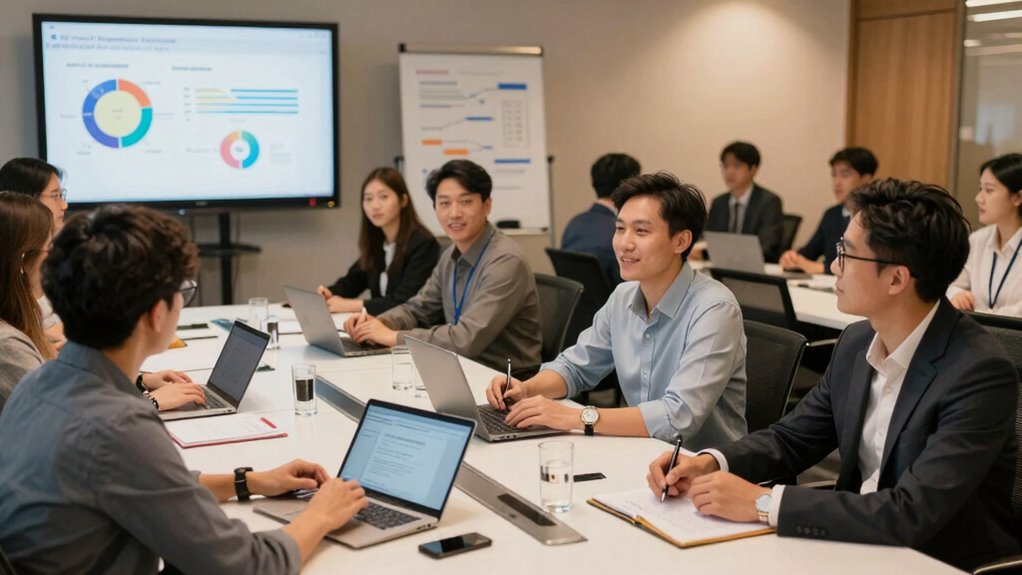

When you coordinate your offline event follow-up with targeted digital strategies, you build stronger, lasting relationships rather than just sending out more generic campaigns. Personalizing outreach based on insights from offline interactions helps you nurture leads more effectively, focusing on high-value contacts and interests. By integrating offline and online efforts, you create a seamless experience that boosts engagement and conversion. Keep exploring to discover how smarter coordination can maximize your event’s impact.

Get business pricing on office and shipping supplies
- Business-only prices and quantity discounts
- Tax-exempt purchasing
- Multiple users, one account, clear invoices
Key Takeaways
- Better coordination ensures personalized, targeted follow-ups that build stronger relationships compared to generic mass campaigns.
- Integrating offline insights with digital efforts maximizes relevance and engagement.
- Coordinated follow-up maintains consistent messaging, reducing confusion and increasing trust.
- Focusing on quality interactions through coordination yields higher conversion than increasing campaign volume.
- Seamless integration of offline and online strategies enhances overall lead nurturing efficiency.
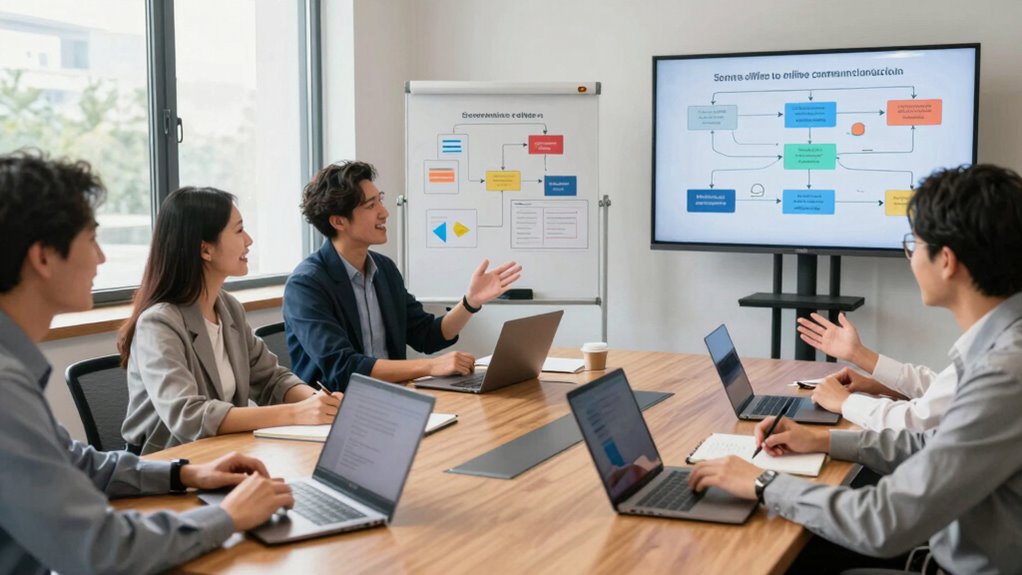
Attending offline events is a powerful way to connect with potential clients and partners, but the real value comes from how you follow up afterward. It’s not enough to simply exchange business cards or have a great conversation—you need a strategic approach to turn those moments into lasting relationships. That’s where effective follow-up, especially through email, makes all the difference. Successful follow-up isn’t just about sending a generic message; it’s about nurturing leads thoughtfully and leveraging data segmentation to personalize your outreach.
Effective offline follow-up combines personalized email nurturing and strategic data segmentation to build lasting relationships.
When you focus on lead nurturing, you’re guiding your contacts through a journey that builds trust and encourages engagement. After the event, take the time to categorize your new contacts based on their interests, industry, or level of engagement. Data segmentation allows you to group people so you can tailor your messaging to each segment’s specific needs. For example, you might have one segment for prospects interested in your services and another for those seeking partnership opportunities. Sending targeted, relevant emails shows you’ve paid attention to their interests, making your communications more effective and less intrusive.
Better coordination between your offline efforts and online follow-up ensures your campaign isn’t fragmented. Track who you met, note their key interests, and plan your email sequence accordingly. When you use data segmentation effectively, you avoid spamming everyone with the same message. Instead, your emails resonate, making recipients more likely to respond positively. This approach also helps you prioritize high-value contacts, ensuring your most promising leads receive prompt, personalized attention. Incorporating offline insights with digital strategies can significantly amplify your outreach impact. Recognizing the importance of data segmentation in this process allows you to craft more precise and impactful follow-up strategies. Additionally, implementing a systematic follow-up plan can streamline your efforts and improve overall results.
The core of this strategy lies in consistent, meaningful communication. Don’t just send a thank-you note and forget about it. Instead, craft a series of follow-up emails that deepen the relationship—share relevant content, invite questions, or suggest a meeting. These efforts reinforce your presence and keep your brand top of mind. Since you’ve already segmented your contacts, you can send content that aligns with their interests, increasing the chances of converting a lead into a customer or partner. Additionally, integrating your offline insights with digital marketing strategies amplifies your reach and effectiveness.
Ultimately, the key isn’t more campaigns but smarter coordination. By integrating your offline event insights with targeted email nurturing, you create a seamless experience that accelerates relationships. This approach maximizes the impact of your offline efforts, turning casual conversations into valuable, long-term connections. When you prioritize lead nurturing and data segmentation in your follow-up, you turn an initial connection into a meaningful, ongoing dialogue—proving that better coordination definitely beats more campaigns.
email marketing segmentation tools
As an affiliate, we earn on qualifying purchases.
As an affiliate, we earn on qualifying purchases.
Frequently Asked Questions
How Do I Personalize Follow-Up Emails Based on Event Interactions?
You can personalize follow-up emails by using event segmentation to categorize attendees based on their interactions, interests, or engagement levels. Then, craft personalized messaging tailored to each segment, addressing their specific needs or questions. This targeted approach makes your emails more relevant and engaging, increasing the chances of meaningful follow-up conversations and conversions. Focus on understanding attendee behaviors during the event to create more impactful, personalized email campaigns.
What Are the Best Tools to Automate Offline to Online Follow-Up?
You can automate offline-to-online follow-up effectively with tools like HubSpot, which integrates event branding and data segmentation. For example, a company used HubSpot to automatically send personalized emails based on attendee interests and interactions at their event. This streamlined process guarantees relevant messaging, saves time, and boosts engagement. By focusing on data segmentation, you deliver targeted follow-ups, turning offline connections into valuable online relationships seamlessly.
How Soon Should I Send Follow-Up Emails After the Event?
You should send your follow-up emails within 24 to 48 hours after the event. This timing strategy guarantees your engagement timing is ideal, keeping your event fresh in attendees’ minds. Prompt follow-up demonstrates your enthusiasm and helps you capitalize on their interest before it fades. Delaying too long risks losing their attention, so sticking to this window boosts your chances of building meaningful connections and conversions.
How Can I Measure the Success of My Offline to Email Follow-Up?
Think of measuring your follow-up success as reading a map by its landmarks. You track event engagement by analyzing open rates, click-through rates, and conversions. Use data segmentation to identify which groups responded best, helping you refine your approach. If your metrics show increased engagement and conversions over time, you’re on the right track. These indicators reveal whether your offline event efforts are truly resonating and driving meaningful results.
What Are Common Mistakes to Avoid in Follow-Up Campaigns?
You should avoid neglecting lead nurturing and audience segmentation in your follow-up campaigns. Don’t send generic messages; instead, tailor your content based on how well you segmented your audience. Also, don’t overlook timely follow-ups—waiting too long can lose engagement. Keep your messaging relevant and personalized, ensuring your follow-up feels genuine. This way, you maximize engagement, build stronger relationships, and improve your chances of converting leads into customers.
offline event follow-up email templates
As an affiliate, we earn on qualifying purchases.
As an affiliate, we earn on qualifying purchases.
Conclusion
By coordinating your offline events with targeted email follow-ups, you create a seamless experience that boosts engagement. Remember, businesses that align their marketing efforts see a 38% higher customer retention rate. So, don’t just run more campaigns—optimize your follow-up strategy for better results. When you connect offline interactions with personalized emails, you turn fleeting moments into lasting relationships, ultimately driving growth and loyalty in a way that random campaigns just can’t match.
As an affiliate, we earn on qualifying purchases.
personalized email outreach tools
As an affiliate, we earn on qualifying purchases.
As an affiliate, we earn on qualifying purchases.
Evergreen bestsellers Picks
bestsellers
As an affiliate, we earn on qualifying purchases.