
High-LTV brands personalize loyalty emails by tailoring content based on your preferences, purchase history, and browsing habits, making each message feel unique to you. They send timely offers during your birthday or after a purchase to keep you engaged. The tone and style match your style—whether casual or professional—to build trust. By continuously analyzing engagement metrics, they refine strategies to better suit your needs. Keep exploring, and you’ll uncover how these brands truly keep you coming back.

Get business pricing on office and shipping supplies
- Business-only prices and quantity discounts
- Tax-exempt purchasing
- Multiple users, one account, clear invoices
Key Takeaways
- Personalize content based on past behavior, preferences, and purchase history to foster a sense of individual value.
- Use engagement metrics to refine messaging, ensuring relevance and resonance with high-LTV customers.
- Timing emails strategically around key moments like birthdays or post-purchase to boost responsiveness.
- Maintain a consistent brand voice that aligns with customer preferences, creating authentic and relatable communication.
- Continuously optimize content and timing through data-driven insights and predictive analytics to deepen customer loyalty.
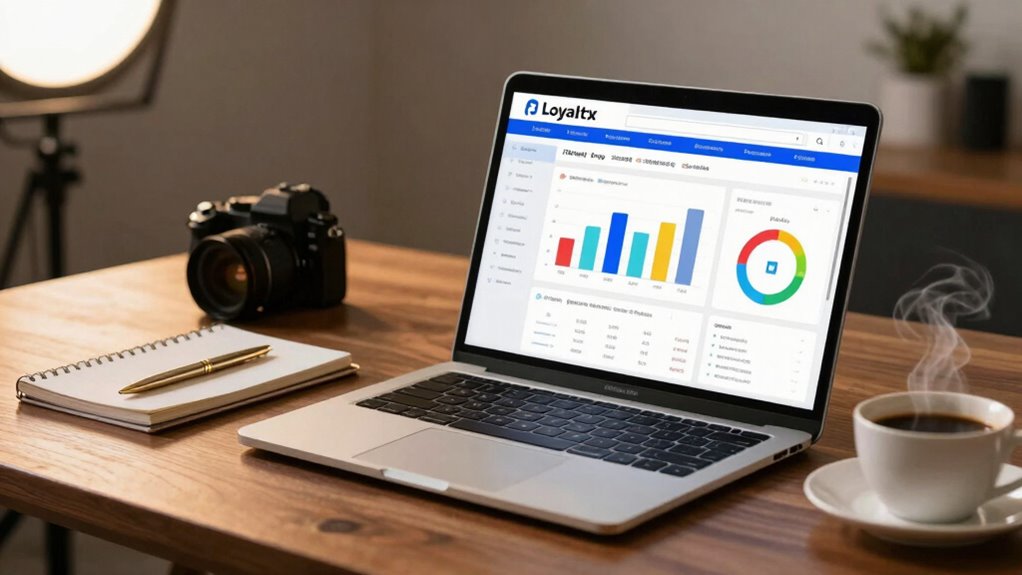
Have you ever wondered why some loyalty emails catch your attention while others go straight to the trash? It often comes down to how well the email resonates with you personally. High-LTV brands know this, which is why they focus heavily on personalization strategies. They don’t just send generic messages; instead, they tailor content based on your past purchases, browsing habits, and preferences. When an email feels like it was crafted just for you, it sparks curiosity and encourages you to take action. These brands leverage data to create relevant offers, personalized greetings, and targeted recommendations, making you feel valued rather than just another number on their list.
Personalized loyalty emails feel crafted just for you, sparking curiosity and encouraging action.
Understanding engagement metrics is vital for these brands. They don’t just measure open rates; they dig deeper into how you interact with their emails—click-through rates, time spent reading, and conversion rates. These metrics give insight into what parts of their content truly resonate with you. If a loyalty email’s subject line or call-to-action isn’t compelling enough, it gets ignored. But if they see that certain personalization tactics increase engagement, they double down on those strategies. For example, if personalized product suggestions lead to more clicks, they’ll incorporate more of those in future emails. This ongoing analysis helps brands refine their approach, making each email more effective and increasing your lifetime value as a customer. Additionally, they often utilize data-driven insights to anticipate your needs before you even realize them. This proactive approach highlights how predictive analytics can enhance personalized marketing efforts. Recognizing the importance of timing and delivery, these brands carefully plan their outreach to align with your behavior and preferences.
High-LTV brands also recognize that timing matters. They analyze engagement metrics to determine when you’re most likely to open and interact with their emails. Whether it’s a birthday discount or a special offer after a recent purchase, they send messages at the right moment, increasing the chances of a positive response. Personalization isn’t just about content; it’s about delivering it when you’re most receptive. This strategic approach keeps you engaged and fosters loyalty over time. Additionally, these brands understand that personalization strategies can significantly enhance your experience, which is why they invest in understanding your preferences at a deeper level.
Furthermore, these brands pay attention to the tone and style of their emails. They craft messages that align with your preferences, whether that’s casual, professional, or playful. The goal is to build a genuine connection, which is why personalization strategies extend beyond just the product recommendations—they encompass language, visuals, and overall brand voice. By consistently delivering relevant, timely, and personalized content, high-LTV brands nurture a relationship that feels authentic, encouraging you to stay loyal and spend more over the long term. Ultimately, it’s this thoughtful combination of personalization and keen analysis of engagement metrics that distinguishes successful loyalty email campaigns.
personalized email marketing software
As an affiliate, we earn on qualifying purchases.
As an affiliate, we earn on qualifying purchases.
Frequently Asked Questions
How Can Brands Personalize Loyalty Email Content Effectively?
To personalize loyalty email content effectively, you should focus on implementing strong personalization strategies and customer segmentation. Start by analyzing customer data to create targeted segments based on purchase history, preferences, and behavior. Then, craft tailored messages for each segment, offering relevant rewards, personalized recommendations, or exclusive offers. This approach makes your emails more engaging, builds loyalty, and increases the likelihood of repeat purchases.
What Metrics Determine the Success of Loyalty Email Campaigns?
You determine your loyalty email campaign’s success through metrics like open rates, click-through rates, and conversion rates. Use segmentation strategies to target specific customer groups, improving relevance. Conduct A/B testing to optimize subject lines, content, and send times. Tracking repeat purchase rates and customer lifetime value (LTV) also helps measure long-term engagement. Consistently analyze these metrics to refine your approach and boost overall campaign effectiveness.
How Often Should Loyalty Emails Be Sent to High-Ltv Customers?
You should send loyalty emails to high-LTV customers about once every two weeks to maintain ideal email frequency. This keeps your brand top-of-mind without overwhelming them, fostering consistent customer engagement. Regular, well-timed emails encourage loyalty and repeat purchases, while infrequent emails risk losing their interest. Track engagement metrics to fine-tune your email frequency, ensuring you balance staying relevant with respecting their inbox.
What Are Common Mistakes to Avoid in Loyalty Email Content?
Think of your loyalty email as a gift; don’t make it bland or repetitive. Avoid common mistakes like neglecting customer segmentation—sending the same message to everyone dilutes its impact. Also, craft compelling subject lines; they’re your first impression. Steer clear of overly promotional content that feels pushy. Instead, personalize and value your high-LTV customers, making each email feel like a tailored thank-you they’ll appreciate and engage with.
How Can Brands Integrate Loyalty Emails With Other Marketing Channels?
You can seamlessly integrate loyalty emails with other marketing channels through customer segmentation and cross-channel integration. By segmenting your audience based on behaviors and preferences, you tailor your messages for better engagement. Use consistent branding and messaging across email, social media, and your website. Automate campaigns to synchronize offers and updates, ensuring your customers receive a cohesive experience that reinforces loyalty and drives high lifetime value.
customer engagement analytics tools
As an affiliate, we earn on qualifying purchases.
As an affiliate, we earn on qualifying purchases.
Conclusion
Ultimately, the most successful brands subtly craft their loyalty emails to nurture a sense of connection and trust. By paying close attention to what truly resonates with their audience, they gently steer customer relationships toward lasting loyalty. Remember, it’s not just about offers but about creating a space where your customers feel valued and understood. When you listen carefully and respond thoughtfully, you’re quietly building a foundation that’s hard to surpass—without ever seeming to try too hard.
email marketing automation platform
As an affiliate, we earn on qualifying purchases.
As an affiliate, we earn on qualifying purchases.
predictive analytics for marketing
As an affiliate, we earn on qualifying purchases.
As an affiliate, we earn on qualifying purchases.
Fall Picks
fall essentials
As an affiliate, we earn on qualifying purchases.