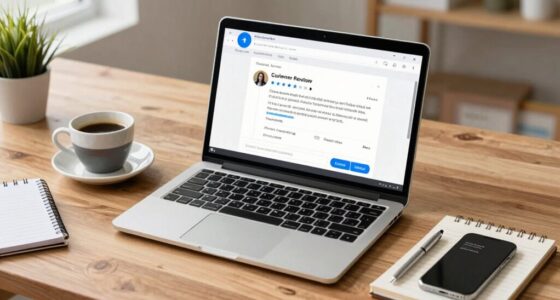

A return prevention email helps you reduce returns by clearly explaining your policies, sharing helpful tips, and reinforcing product quality. Personalize your message with the customer’s name and product details to build trust. Use visuals and links to guide them through troubleshooting or proper use, showing your commitment to customer satisfaction. By addressing concerns early and fostering engagement, you’ll strengthen loyalty. Keep exploring how to craft effective emails that turn post-purchase interactions into lasting relationships.

Get business pricing on office and shipping supplies
- Business-only prices and quantity discounts
- Tax-exempt purchasing
- Multiple users, one account, clear invoices
Key Takeaways
- Use personalized, transparent messaging to clarify return policies and set clear expectations.
- Incorporate helpful instructions, troubleshooting tips, and visuals to prevent unnecessary returns.
- Highlight product features and provide links to detailed guides for better user understanding.
- Engage customers through feedback requests, showing care and improving products based on their input.
- Maintain an empathetic tone to foster trust, loyalty, and proactive support beyond the sale.
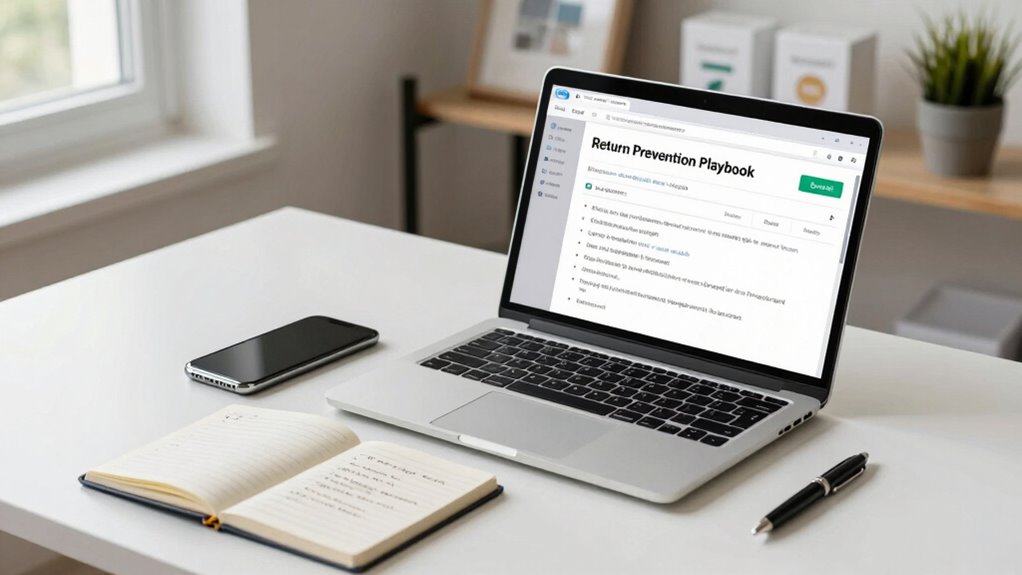
Return prevention emails are a crucial tool for reducing product returns and enhancing customer satisfaction. When you send these emails effectively, you create opportunities to strengthen customer engagement and clarify your return policy, which can lead to fewer misunderstandings and fewer returns. To maximize their impact, consider aligning your messaging with your broader commitment to sustainable living practices, emphasizing your dedication to eco-friendly solutions and responsible consumption. The goal isn’t just to discourage returns but to foster trust and loyalty by showing that you care about your customers’ experience even after they’ve made a purchase. By integrating well-crafted return prevention emails into your post-purchase communication, you can address concerns proactively, guiding your customers toward satisfaction and confidence in their purchase.
Effective return prevention emails build trust, reduce misunderstandings, and strengthen customer loyalty post-purchase.
To make your return prevention emails work, focus on personalized messaging that resonates with the individual customer. Use their name and reference the specific product they bought to create a sense of direct communication. This personal touch helps build a stronger connection, making your message feel less like a generic notification and more like a helpful, caring gesture. When you clearly explain your return policy within the email, you remove ambiguity and set expectations upfront. This transparency shows that you value honesty and want your customers to feel secure in their decision to buy from you.
A key aspect of these emails is providing helpful, easy-to-follow instructions that empower your customers to resolve issues without needing to initiate a return. For example, if a product isn’t meeting expectations, suggest troubleshooting tips or alternative solutions. This illustrates your commitment to customer satisfaction and can often resolve problems before they escalate into returns. Incorporate visuals or links to detailed guides to make this process even smoother. Additionally, highlighting your commitment to product quality can reinforce trust and reassure customers about their purchase. Including information about smart appliances or other features can also help customers better understand how to get the most from their products.
Another effective tactic is to include feedback opportunities within your return prevention email. Asking customers about their experience, what they liked, or what could be improved not only shows that you value their opinion but also provides you with insights to refine your products and services. When customers see that their voice matters, their engagement deepens, and they’re less likely to seek a return out of frustration.
Ultimately, these emails should strike a balance — they should be informative, empathetic, and proactive. By doing so, you encourage customer engagement, clarify your return policy, and reduce the likelihood of returns. When customers feel supported and well-informed, they’re more likely to stay loyal, recommend your brand, and view your business as trustworthy. That’s the true power of effective return prevention emails: turning a post-purchase touchpoint into a strategic opportunity to build lasting relationships.
return prevention email templates
As an affiliate, we earn on qualifying purchases.
As an affiliate, we earn on qualifying purchases.
Frequently Asked Questions
How Can I Personalize Return Prevention Emails Effectively?
You can personalize return prevention emails effectively by using personalization tactics and customer segmentation. Tailor your messages based on purchase history, preferences, and browsing behavior, making each email relevant to the recipient. Segment your audience to send targeted content, such as size guides for clothing or care instructions for electronics. This approach demonstrates you understand their needs, reduces returns, and builds stronger customer relationships.
What Metrics Should I Track to Measure Email Success?
You’d think tracking open rates and click-throughs would be enough, but surprisingly, metrics like customer segmentation performance and email automation engagement are more telling. These reveal how well your targeted emails prevent returns and boost loyalty. Keep an eye on conversion rates from your return prevention emails, along with unsubscribe rates, to gauge effectiveness. Ultimately, these insights help refine your strategy and turn email campaigns into return-reducing powerhouses.
How Soon Should I Send a Return Prevention Email?
You should send a return prevention email within 24 to 48 hours after purchase, leveraging timing strategies that align with customer segmentation. For new customers, send it sooner to reinforce confidence, while loyal customers might appreciate a slightly delayed message. By timing your email appropriately, you increase the chances of addressing concerns early, reducing returns, and enhancing the overall customer experience.
What Are Common Pitfalls to Avoid in These Emails?
Think of your return prevention email as a sturdy bridge—avoid weak spots like vague language, overly aggressive tones, or neglecting clear return policies. Don’t ignore customer feedback; it’s the map guiding you to what truly matters. Keep your message friendly, transparent, and helpful. Steer clear of surprises or hidden costs that could break trust. Instead, build a solid connection that encourages confidence and loyalty, reducing unnecessary returns.
How Can I Integrate Return Prevention Emails With Other Marketing Strategies?
You can integrate return prevention emails with your marketing strategies by using customer feedback to personalize messages, showing you understand their needs. Link these emails to inventory management by highlighting popular or in-stock items, reducing the chance of returns. Use cross-sell or upsell offers to enhance the purchase experience, and gather feedback afterward to refine your approach, creating a seamless, customer-focused ecosystem that minimizes returns and boosts loyalty.
As an affiliate, we earn on qualifying purchases.
Conclusion
By mastering the art of return prevention emails, you craft a safety net that catches potential issues before they become problems. Think of your email as a lighthouse guiding customers safely back to satisfaction, preventing unnecessary returns and fostering loyalty. When your message shines brightly with empathy and clarity, it becomes a beacon that keeps your customers anchored in trust. With this playbook, you turn post-purchase communication into a powerful tool—your secret weapon in reducing returns and building lasting relationships.
As an affiliate, we earn on qualifying purchases.
As an affiliate, we earn on qualifying purchases.
Halloween Picks
halloween
As an affiliate, we earn on qualifying purchases.