
TL;DR
Images of looted and damaged luxury shops in Paris have added to investor concerns about a sector already under pressure from weaker sales and softer Chinese demand. The source report says shares in several major brands have fallen, but the longer-term effect of the unrest on sales and tourism is not yet established.
Looting and damage at luxury retailers in Paris have sharpened investor concerns about a recovery in the luxury-goods sector, which is already contending with weaker sales and reduced spending by Chinese consumers. The source report says unrest fears added pressure to shares including Kering, while the lasting effect on store sales, tourism and the wider industry remains unclear.

Get business pricing on office and shipping supplies
- Business-only prices and quantity discounts
- Tax-exempt purchasing
- Multiple users, one account, clear invoices
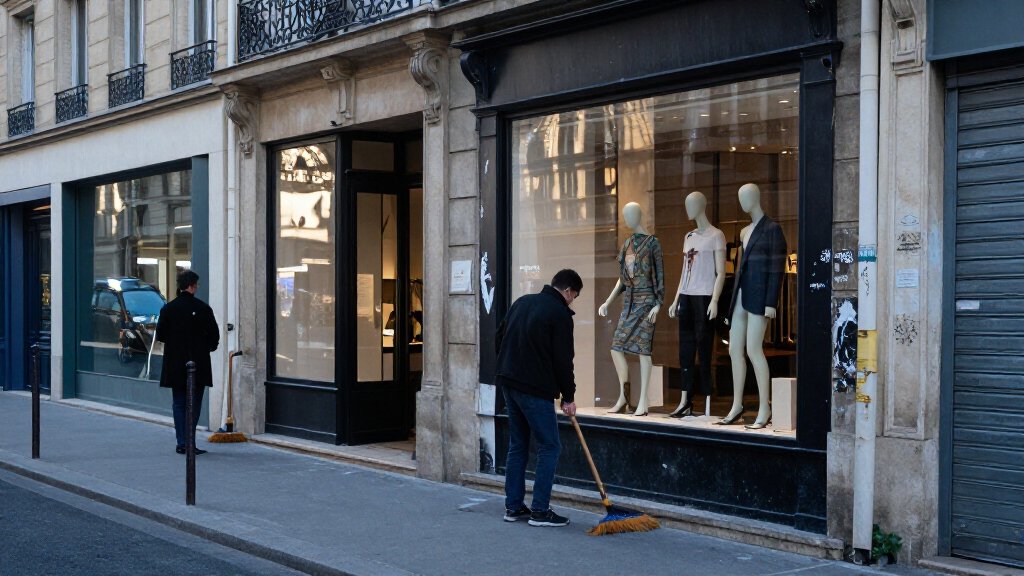
The report describes attacks on boutiques and department stores, including LVMH-owned Sephora and Celine locations and a Gucci store owned by Kering. It also says Hermes and other companies were increasing security at shops. The incidents have raised concern that images of civil unrest could discourage Chinese visitors from shopping in France and elsewhere in Europe, although the report provides no evidence quantifying that effect.
The unrest comes as major luxury groups face weaker trading. According to the report, LVMH sales fell 5 per cent in the three months to September, with the decline aggravated by weaker demand in China. Hermes also cited China as a factor in a dip in third-quarter sales. Kering shares fell 17 per cent in a day after disappointing sales and renewed unrest fears, the report said; that fall should not be read as a measure of damage caused by the attacks alone.
China’s share of worldwide luxury spending has also declined. Bain, the consultancy cited by the report, put Chinese consumers at 22 per cent of global luxury expenditure, down from one-third at the post-pandemic peak. The report links the reduction to China’s property crisis and youth unemployment. It gives no precise date for the figures, so they describe the source’s account rather than a current estimate.
Unrest Meets a Luxury Sales Slump
The immediate importance for investors is that security concerns are landing on top of existing business pressures, rather than appearing in an otherwise strong market. Weaker demand in China, questions about whether brands can attract younger aspirational buyers, and disappointing sales were already weighing on sentiment in the report. Unrest could add reputational and operational costs, but the source does not establish that it has caused a sustained decline in sales.
The consequences could extend beyond the shops directly affected if tourists change their travel or shopping plans. The report notes that Chinese shoppers represented a larger share of luxury spending during the post-pandemic boom, making their return to European retail an important issue for brands. Whether the Paris images alter those plans, and for how long, is not known.
For readers tracking these companies, the report’s investment discussion is not evidence that any stock is undervalued or certain to recover. Share prices and analyst targets cited in the article are tied to its reporting period and can change. The central takeaway is that brand strength and long-term demand are being weighed against near-term uncertainty.
Popular right now

Dyson V9 Motorbar Cordless Vacuum

Vitamix VX1 Professional-Grade Blender, 64 oz, Black

Samsung 65-Inch Q8F QLED 4K UHD Smart TV (2025)
As an affiliate, we earn on qualifying purchases.
Brands Face Uneven Recovery
The source frames the Paris incidents against a broader slowdown across luxury goods, a market it values at $350 billion. It describes a sector where sales growth had weakened after the post-pandemic spending boom, with China’s economic difficulties contributing to pressure on results. At the same time, it reports that some analysts still saw potential in established jewellery and fashion houses, reflecting differing expectations rather than a settled outlook.
Company conditions vary. The report says LVMH, owner of Louis Vuitton, Dior and Tiffany, had seen its shares fall to €383, down 41 per cent since January at the time covered. It reports a 42 per cent year-to-date decline for Hermes to €1,238 and says Kering shares were at €178, 72 per cent below their level five years earlier. These are historical figures from the source, not live prices.
The article also points to a different approach from British handbag maker Mulberry. It reported a 28 per cent rise in US sales after a campaign and said 60 per cent of items were priced below £1,000, aimed at younger aspirational customers. That example suggests brands are experimenting with price and audience, but one company’s reported sales cannot establish a sector-wide trend.
Damage and Demand Still Unmeasured
The report does not provide an official tally of stores damaged, the cost of repairs, or how long affected locations may remain closed. It also does not identify the full scale of losses from looting or separate the direct effect of the unrest from wider market conditions and company-specific sales problems.
It remains unclear whether the images will materially change travel and shopping decisions among Chinese visitors or other tourists. The source records investor fears, not confirmed changes in customer behaviour. Its share-price figures and analyst views are also time-specific, and should not be treated as current market data or as a guarantee of future performance.
Watch Sales, Security and Tourism
The next indicators will be company updates on store operations, security measures and trading in affected markets, alongside evidence about visitor numbers and spending. Investors will also be watching whether Chinese demand stabilises and whether brands can attract younger customers without weakening their pricing or exclusivity.
The source does not give a timetable for a recovery or identify a formal industry response to the attacks. Until companies report further results, the distinction between temporary disruption and lasting damage to sales remains unresolved.
Key Questions
Which luxury retailers were reported to have been targeted in Paris?
The report names LVMH-owned Sephora and Celine shops, a Gucci store owned by Kering, and the Galeries Lafayette department store among locations targeted during the unrest.
Did the Paris attacks cause luxury shares to fall?
The report says fears of further unrest added pressure to Kering shares after disappointing sales. It does not establish that the attacks alone caused the reported share-price movements; the companies were already facing weaker trading and other concerns.
How important is China to luxury spending?
Bain figures cited in the report put Chinese consumers at 22 per cent of worldwide luxury expenditure, compared with one-third at the post-pandemic peak. The report does not specify the precise measurement period for these figures.
Is the report saying investors should buy luxury shares now?
No. It discusses the idea of buying shares when investors are fearful and includes analyst views, but those are not guarantees of recovery or financial advice. The share prices and forecasts it cites relate to the reporting period and may have changed.
Source: rss