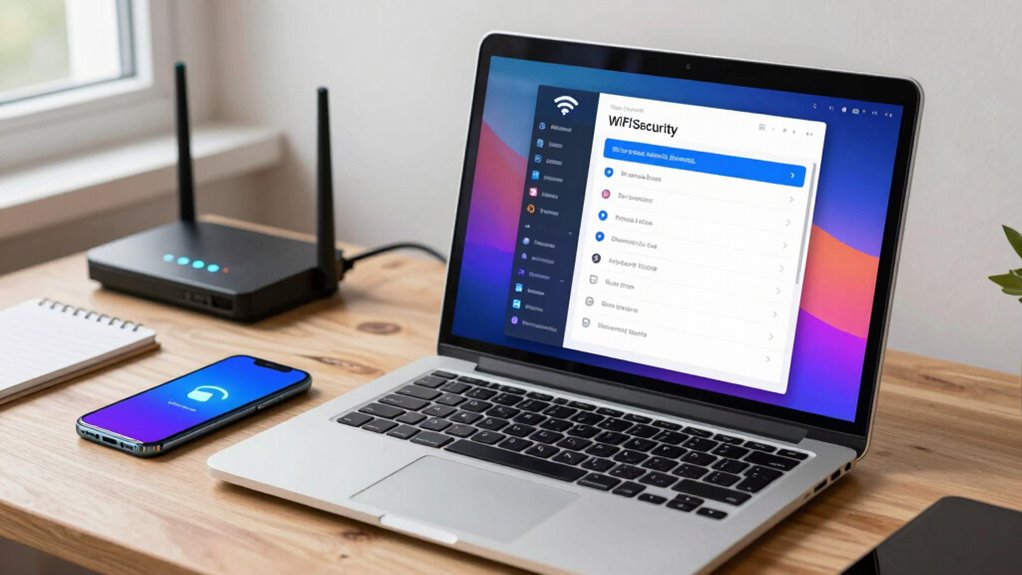
To keep your guest Wi-Fi secure and prevent disruptions, you should implement network segmentation to isolate guest access from your main network. Use strong, unique passwords and update them regularly, sharing credentials securely. Enable encryption protocols like WPA3 and activate captive portals for authentication. Regularly update your hardware, apply security patches, and monitor network activity for suspicious behavior. Following these practices will help guarantee smooth and safe internet access for visitors, and there’s much more to uncover for better protection.

Get business pricing on office and shipping supplies
- Business-only prices and quantity discounts
- Tax-exempt purchasing
- Multiple users, one account, clear invoices
Key Takeaways
- Implement network segmentation to isolate guest Wi-Fi from the main network, reducing risk of disruptions.
- Use strong, regularly updated passwords and share them securely to prevent unauthorized access.
- Enable encryption protocols like WPA3 for secure data transmission on guest networks.
- Keep hardware and firmware up-to-date with the latest security patches to prevent vulnerabilities.
- Regularly monitor network activity and review security settings to detect and address potential threats.
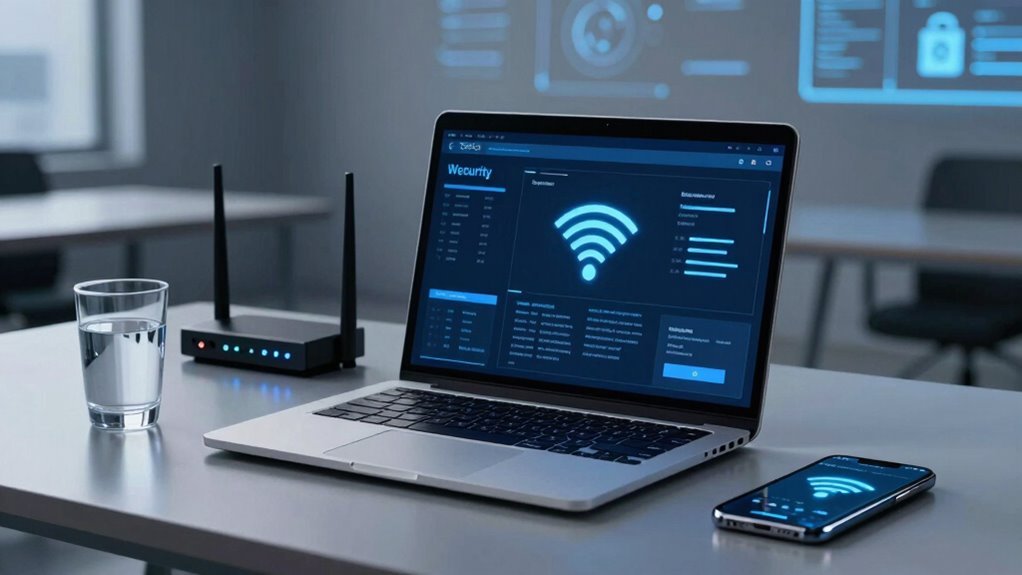
Providing guest Wi-Fi is a convenient way to offer internet access without risking your primary network, but it also introduces security challenges. When you set up a guest network, you need to guarantee it remains isolated from your main systems to prevent unauthorized access or data breaches. This is where network segmentation becomes indispensable. By creating a separate network for your guests, you contain potential threats and prevent malicious activity from spreading to your core infrastructure. Segmentation acts as a barrier, making it harder for intruders to access sensitive information or interfere with your business operations.
Network segmentation isolates guest Wi-Fi, protecting your core systems from potential threats and unauthorized access.
Password management plays a pivotal role in maintaining your guest Wi-Fi security. You should choose strong, unique passwords that are difficult for outsiders to guess. Regularly updating these passwords further reduces the risk of unauthorized access. Avoid using default passwords or simple combinations like “password” or “admin,” as these are common targets for attackers. Instead, opt for a complex mix of uppercase and lowercase letters, numbers, and special characters. Sharing the Wi-Fi password with guests should be done securely, perhaps through a temporary code or a secure messaging platform, rather than posting it publicly or leaving it openly visible.
Implementing password management tools can streamline this process, especially if you manage multiple guest networks or frequently change passwords. These tools generate and store complex credentials, reducing the chances of human error. Additionally, consider setting up a captive portal—an authentication page where guests must agree to terms of use and enter a password or code before accessing the internet. This adds an extra layer of security and helps you monitor guest activity. Secure network practices are essential to further enhancing your Wi-Fi security posture. Regularly reviewing your network’s security settings ensures that your protections stay effective against evolving threats. Staying informed about security vulnerabilities and applying timely updates is also crucial to maintaining a safe network environment.
Furthermore, it’s imperative to keep your network hardware and firmware updated. Updates often include security patches that protect against known vulnerabilities. Keep your network devices, such as routers and access points, configured with the latest security settings, including enabling encryption protocols like WPA3. Use network monitoring tools to track guest network activity, ensuring no suspicious behavior goes unnoticed. Incorporating network segmentation as a foundational security practice can significantly enhance your overall network safety by limiting potential damage from compromised guest devices.
In essence, securing your guest Wi-Fi involves a combination of good practices: creating network segmentation to isolate guest traffic, managing passwords diligently, and maintaining up-to-date hardware and software. These steps substantially reduce the chances of disruptions or breaches, allowing you to offer convenient internet access without compromising your primary network’s security. By staying proactive and vigilant, you safeguard your resources while providing a seamless online experience for your guests.
guest Wi-Fi router with WPA3 encryption
As an affiliate, we earn on qualifying purchases.
As an affiliate, we earn on qualifying purchases.
Frequently Asked Questions
How Often Should I Change My Guest Wi-Fi Password?
You should change your guest Wi-Fi password regularly, ideally every few months, to maintain security. Guarantee the password remains complex, combining letters, numbers, and symbols, to prevent unauthorized access. Regular updates reduce the risk of breaches, especially if guests or staff might share or inadvertently reveal the password. Staying proactive about password complexity and timely changes helps protect your network from potential disruptions and keeps your Wi-Fi secure.
Can I Restrict Specific Devices From Accessing Guest Wi-Fi?
Think of your network as a busy highway; device access is like controlling which cars can enter. Yes, you can restrict specific devices from accessing your guest Wi-Fi by setting up network segmentation or device filtering. This way, you keep certain devices off the guest network, enhancing security and performance. Use your router’s settings to create separate access rules, ensuring only trusted devices connect.
What Are Common Signs of Wi-Fi Security Breaches?
You might notice signs of a Wi-Fi security breach through unauthorized access or suspicious activity. If you see unknown devices connected to your network, experience unexpected data usage, or notice slow speeds, these could be indicators. Keep an eye out for unfamiliar IP addresses or login attempts. Regularly monitoring your network and changing passwords can help prevent unauthorized access and keep your Wi-Fi secure from potential threats.
How Do I Monitor Guest Wi-Fi Usage Effectively?
You might think monitoring guest Wi-Fi usage is as simple as glancing at a dashboard—think again. To truly keep tabs, implement bandwidth management tools that flag unusual activity and guarantee device authentication is enforced. Regularly review usage logs to spot anomalies, and set alerts for spikes in bandwidth. With these strategies, you’ll catch sneaky devices and prevent disruptions before they happen, all while enjoying the illusion of effortless management.
Is It Necessary to Use a Separate Network for Guests?
Yes, using a separate network for guests is essential. Network segmentation allows you to isolate guest traffic from your main network, reducing security risks. Guest isolation guarantees visitors can’t access your private resources, protecting sensitive data. By implementing a dedicated guest Wi-Fi, you minimize disruptions and potential breaches, creating a safer environment for both your business and your guests. This approach keeps everything secure and running smoothly.
network segmentation hardware for small business
As an affiliate, we earn on qualifying purchases.
As an affiliate, we earn on qualifying purchases.
Conclusion
Implementing solid guest Wi-Fi security isn’t just smart—it’s essential. Did you know that 73% of data breaches originate from unsecured Wi-Fi networks? By taking simple steps like strong passwords and network segmentation, you considerably reduce your risk of disruptions and breaches. Protect your guests and your business by staying proactive. Remember, a secure network keeps everyone connected smoothly and safely, making disruptions fewer and far between.
As an affiliate, we earn on qualifying purchases.
captive portal Wi-Fi access point
As an affiliate, we earn on qualifying purchases.
As an affiliate, we earn on qualifying purchases.
Halloween Picks
halloween
As an affiliate, we earn on qualifying purchases.