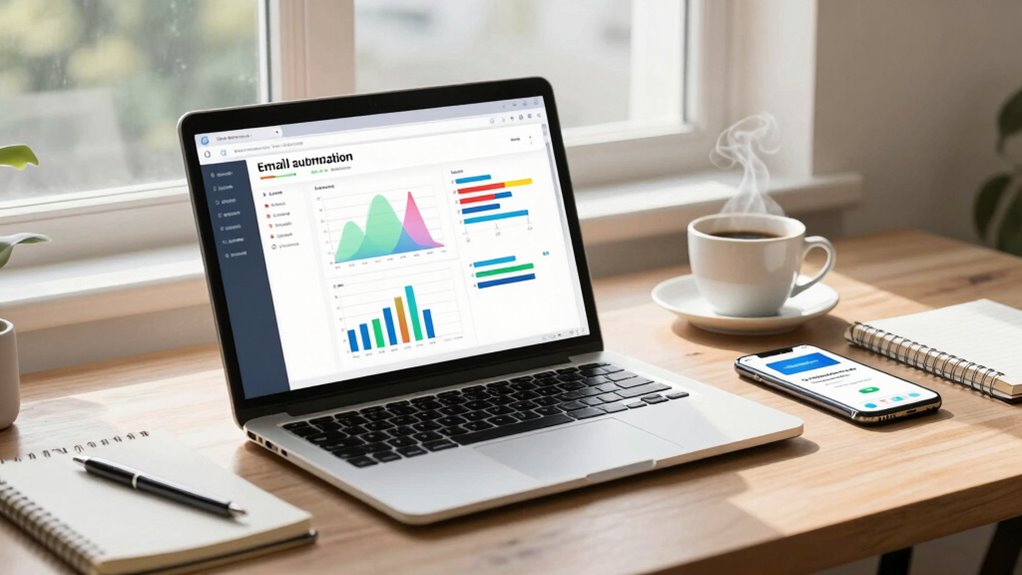

Automating your event follow-up lets you send timely, personalized messages at scale, making it easier to connect with attendees and boost engagement. By integrating your event platform, CRM, and email tools, you streamline data collection and trigger automatic, relevant follow-ups based on attendee actions. This approach guarantees consistency, saves time, and maintains a human touch. Keep exploring to discover how automation and personalization can transform your event follow-up process even further.

Get business pricing on office and shipping supplies
- Business-only prices and quantity discounts
- Tax-exempt purchasing
- Multiple users, one account, clear invoices
Key Takeaways
- Automating follow-up emails ensures timely, consistent communication while reducing manual effort and delays.
- Personalization based on attendee behavior and interactions increases email relevance and engagement.
- Seamless integration between event platforms, CRMs, and email tools streamlines data flow and targeting.
- Automated triggers enable immediate follow-up post-event, enhancing attendee experience and resource sharing.
- Tracking engagement metrics helps refine strategies, making follow-up more effective and scalable.
Following an event, timely and effective follow-up can be challenging, but automation makes it much easier. When you’re managing a large number of contacts and interactions, manually sending follow-up emails can be overwhelming and prone to delays. Automation streamlines this process, ensuring you stay connected with attendees without sacrificing quality or personalization. To make the most of this, you should focus on implementing personalization strategies. Personalization isn’t just about inserting names; it’s about tailoring your messages based on attendee behavior, interests, and interactions during the event. By leveraging data collected during the event, you can craft follow-up emails that feel relevant and valuable, increasing the chances of engagement. For example, referencing specific sessions they attended or questions they asked shows you paid attention, making your follow-up more meaningful.
Personalized follow-up emails driven by attendee data boost engagement and demonstrate genuine attention.
To achieve this, you need to pay attention to integration best practices. Seamless integration between your event platform, CRM, and email marketing tools allows you to gather and utilize attendee data efficiently. The more integrated your systems are, the better you can automate personalized follow-ups at scale. When these systems work smoothly together, you avoid manual data entry errors and save time. You can trigger follow-up sequences automatically based on predefined actions, like registration, session attendance, or post-event surveys, without extra effort on your part. This integration also helps you segment your audience more precisely, enabling you to send targeted messages to different groups based on their preferences or behavior during the event. Data collection is essential to understanding attendee preferences and behavior, making your follow-up even more targeted and effective. Additionally, incorporating automation tools can further enhance your ability to streamline and optimize these processes. Leveraging integration best practices ensures your systems work together seamlessly, maximizing efficiency and data accuracy. Emphasizing system integration can significantly improve your overall follow-up strategy by creating a unified approach that reduces manual work and increases relevance. Incorporating data-driven insights can help refine your messaging over time, ensuring continuous improvement.
Automation also provides consistency and timeliness that manual follow-up can’t match. When a registration is completed, an automated email can be sent instantly, welcoming the attendee and providing next steps. After a session, you might automatically send a survey or additional resources based on their interests. This timely communication keeps your audience engaged and demonstrates your attentiveness. Additionally, automation allows you to track response rates and engagement metrics, giving you valuable insights to refine your follow-up strategies over time.
Ultimately, combining personalization strategies with integration best practices makes your event follow-up more efficient and impactful. You’re not just sending generic emails; you’re delivering targeted, relevant messages that foster stronger relationships and move prospects further down the funnel. Automation isn’t about replacing human touch—it’s about enhancing your ability to connect thoughtfully and consistently, even when managing a large volume of contacts. With the right setup, your follow-up process becomes smarter, faster, and more effective, helping you scale your outreach without sacrificing quality.
email automation tools for events
As an affiliate, we earn on qualifying purchases.
As an affiliate, we earn on qualifying purchases.
Frequently Asked Questions
How Do I Personalize Automated Event Follow-Up Emails Effectively?
You can personalize automated event follow-up emails effectively by implementing personalization strategies within your automation tools. Use recipient names, specific event details, and tailored content based on attendee behavior or preferences. Leverage automation tools that allow dynamic content and segmentation, so each email feels relevant. This approach helps build genuine connections, increases engagement, and guarantees your follow-up feels thoughtful rather than generic, ultimately boosting your event’s success.
What Metrics Should I Track to Measure Follow-Up Success?
You should track event timing to see when your follow-ups are most effective, and response rates to measure engagement. Monitoring how quickly recipients reply helps you refine your timing, while response rates show how compelling your messages are. By analyzing these metrics, you can optimize your follow-up schedule and content, ensuring your automated emails resonate better and drive more meaningful interactions after your events.
Can Automation Integrate With Existing Customer Relationship Management (CRM) Systems?
Yes, automation can seamlessly integrate with your existing CRM systems. You can set up automation workflows that sync contacts, updates, and follow-up activities directly within your CRM, ensuring smooth data flow. This integration allows you to personalize outreach, automate follow-up emails, and track engagement efficiently. By connecting automation workflows with your CRM, you streamline your follow-up process, improve customer engagement, and scale your outreach efforts more effectively.
How Do I Handle Follow-Ups for Different Event Types Automatically?
Think of your follow-up process as a well-tuned orchestra; each event type needs its own cue. You can automate this by using segmentation strategies to categorize different event types and timing optimization to send personalized follow-ups at just the right moment. This guarantees your messages resonate, increasing engagement without manual effort. Automating tailored follow-ups helps you stay in sync with your audience and scale your outreach efficiently.
What Are Common Mistakes to Avoid in Event Follow-Up Automation?
You should avoid poor timing strategies and neglecting segmentation techniques in event follow-up automation. Sending follow-ups too early or too late can reduce engagement, so plan your timing strategically. Also, don’t overlook segmentation; tailoring messages based on attendee interests or behavior makes your follow-ups more relevant. By refining your timing strategies and segmenting your audience effectively, you’ll increase your chances of converting event attendees into loyal customers.
CRM integration software for event follow-up
As an affiliate, we earn on qualifying purchases.
As an affiliate, we earn on qualifying purchases.
Conclusion
By embracing event follow-up automation, you gently open the door to more meaningful connections without overwhelming your schedule. It’s a subtle shift that allows your efforts to resonate more naturally, fostering trust and engagement over time. As you refine this approach, you’ll find that the quiet efficiency it brings can quietly elevate your overall outreach. In the end, it’s about nurturing relationships in a way that feels effortless yet impactful, guiding your growth with grace.
personalized email marketing tools
As an affiliate, we earn on qualifying purchases.
As an affiliate, we earn on qualifying purchases.
event engagement tracking software
As an affiliate, we earn on qualifying purchases.
As an affiliate, we earn on qualifying purchases.
Halloween Picks
halloween
As an affiliate, we earn on qualifying purchases.