
📊 Full opportunity report: Build Speaking Confidence On Camera With A Business Practice App on IdeaNavigator AI — validation score, market gap, and execution plan.

Get business pricing on office and shipping supplies
- Business-only prices and quantity discounts
- Tax-exempt purchasing
- Multiple users, one account, clear invoices
TL;DR
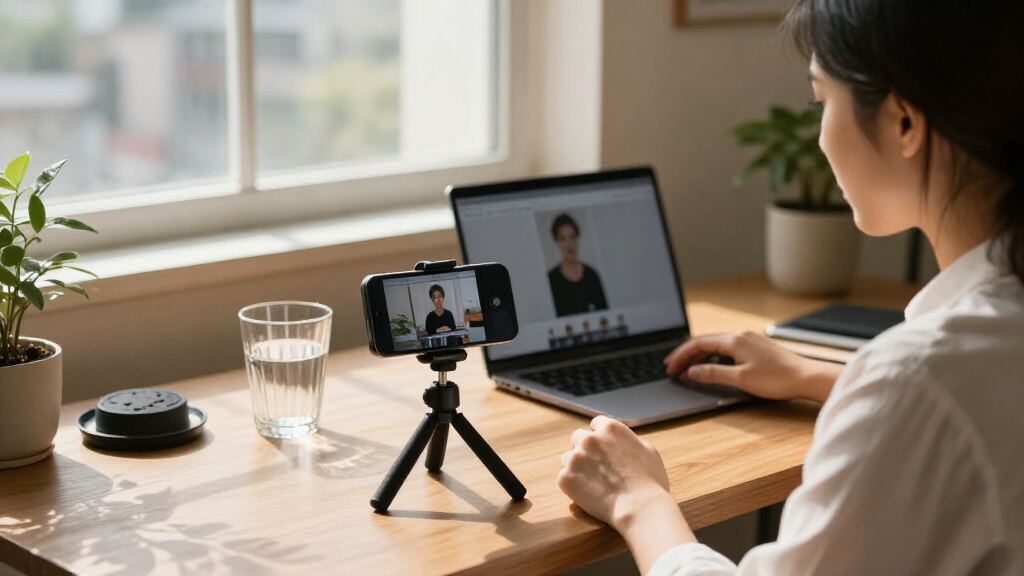
IdeaNavigator AI has outlined a proposed practice app for business owners who struggle to record themselves, using short exercises and feedback on delivery. The concept has not been reported as a launched product; its suggested test is a 30-day cohort of 100 owners, measured by whether they publish a real video by day 45 against a waitlist control.
IdeaNavigator AI’s published concept describes a proposed practice app for business owners who know video could help their marketing but freeze when recording. The concept pairs two-minute speaking exercises with automated delivery feedback, but the description does not say that an app has launched or that its effectiveness has been tested.
According to IdeaNavigator AI’s concept, the suggested first audience is deliberately narrow: business owners who want to make video but struggle to record themselves. The description says users may stumble, judge their own performance harshly or repeat recordings until they give up. It argues that general public-speaking courses may not address the particular experience of speaking alone to a camera.
IdeaNavigator AI proposes a minimum version with daily, two-minute prompted exercises, beginning with reading aloud and progressing to speaking more freely. The concept says the app would assess delivery measures such as pace, filler words, eye line and energy, then display changes over time. It also proposes confidence streaks and a step from practice recordings to real business content.
For validation, IdeaNavigator AI proposes a 30-day cohort of 100 business owners. The suggested outcome is how many participants publish a first real video by day 45, compared with a waitlist control group. That is a proposed test, not a reported result. The concept also suggests a consumer subscription and a team plan for agencies coaching clients, without specifying prices or describing a business model already in operation.
Product concept · Camera confidence
Build Speaking Confidence On Camera With A Business Practice App
A proposed app would help business owners practise short, private speaking exercises and get feedback on delivery. Its effectiveness has not been tested or reported.
Business owners who freeze on camera.
Short, daily speaking practice.
Owners in a 30-day pilot proposal.
Check for a first published business video.
01 / The use case
Practice for the moment the camera turns on
The concept targets a specific hurdle: wanting to use video for marketing, then stumbling, judging each take, or giving up.
Recording alone
Speaking to a lens can feel different from presenting to a live audience. The concept argues that general speaking courses may miss this setting.
Small daily reps
Prompts begin with reading aloud and gradually encourage more spontaneous speaking in short sessions.
Track delivery
Automated feedback could cover pace, filler words, eye line, and energy, with changes displayed over time.
The description does not identify a launched app or show that automated feedback can measure these qualities accurately or coach different speaking styles well.
02 / Practice pathway
From private rehearsal to a real post
The concept is designed around progress toward publishing, rather than practice activity alone.
Read aloud
Start with a short prompt to get comfortable speaking.
Speak more freely
Move from scripted words toward spontaneous responses.
Review delivery
See suggested feedback on pace, filler words, eye line, and energy.
Publish business content
Take the step from practice recordings to a first real video.
03 / Proposed validation
Measure what happens outside the app
IdeaNavigator AI proposes a pilot; no dates, operators, recruitment details, or results are reported.
Practise for 30 days, then assess whether participants publish a first real video by day 45.
Compare publishing behavior with a waitlist control group to help account for existing motivation.
Do participants publish a real business video—not simply complete sessions or earn feedback scores?
How many would start and finish exercises, how the comparison would work, and whether a trial will take place.
04 / What remains open
A concept with important product questions
The available description frames a problem and suggests a test. It does not establish demand, product readiness, or effectiveness.
No launch details
No developer, available product, release date, pilot schedule, or business owners who have tested the exercises are named.
Data handling unclear
The concept does not explain what recordings or personal data might be kept, how feedback is generated, or what privacy protections apply.
Model unspecified
A consumer subscription and agency team plan are suggested, but no prices, accessibility details, or evidence of demand are given.
05 / Key questions
What readers should know
Answers below reflect the concept description from IdeaNavigator AI.
Has the app launched?
No launch is reported. The description presents a product concept and suggested validation test, with no release date.
Who is it for?
Business owners who want to use video but struggle when recording themselves, including those affected by stumbling, self-criticism, or repeated takes.
What would users practise?
Daily two-minute prompts, starting with reading aloud and moving toward more spontaneous speaking, with proposed delivery feedback.
How would it be tested?
A proposed 30-day cohort of 100 owners, measuring first-video publishing by day 45 against a waitlist control. No trial results or schedule are reported.
Testing Practice Against Publishing
The proposal focuses on a practical gap between knowing video may be useful and actually publishing it. IdeaNavigator AI’s concept suggests that, if recording anxiety is the main obstacle, short private sessions could offer a more relevant practice setting than a course designed for speeches or live presentations. Whether that translates into published videos, however, is the central question the proposed pilot would need to answer.
The proposed day-45 measure makes the test more concrete than tracking app activity alone: it looks for an action outside the practice tool. A comparison with a waitlist group could help distinguish the effect of the exercises from participants’ existing motivation, though IdeaNavigator AI’s description does not provide a study protocol or results. For owners, agencies and potential customers, the distinction matters: feedback scores or completed sessions would not by themselves show that users feel ready to publish.
Popular right now

Bose QuietComfort True Wireless Earbuds with Active Noise Cancellation, Black

KitchenAid 5.5-Qt Bowl-Lift Stand Mixer, Porcelain White (KSM55SXXX)

Ninja Crispi Glass Air Fryer (Stone) – 4‑in‑1
As an affiliate, we earn on qualifying purchases.
A Narrow Camera-Confidence Use Case
IdeaNavigator AI places the idea in communication skills training and points to video-first marketing pressure across businesses of different sizes. Its concept is not a broad video-production platform; it is framed around one specific moment of friction: a business owner pressing record and struggling to continue.
The proposed use of multimodal AI is to review visible and audible aspects of delivery, including eye contact, pace and filler words, and provide feedback privately. IdeaNavigator AI presents this as a rationale for the product, not evidence that a particular system can measure those qualities accurately or provide useful coaching. The description names no developer, existing product, launch, research study or independent evaluation.
Pilot Results and Product Details
IdeaNavigator AI reports no app launch or completed trial. The 100-person cohort and day-45 publishing measure are recommendations for validation, not confirmed activity. Its description does not say whether a team is building the product, when a pilot might begin, or whether any business owners have tested the exercises.
The concept also leaves open how the proposed feedback would be generated and checked, how it would account for different speaking styles, and what recordings or other personal data the app might retain. IdeaNavigator AI provides no subscription price, accessibility details, privacy terms or evidence of demand. Claims about camera anxiety keeping owners from posting are part of the concept’s problem framing, not findings from a published survey in the description.
A Proposed 30-Day Owner Trial
IdeaNavigator AI’s suggested next step is to recruit 100 business owners for a 30-day cohort and compare their publishing behavior with that of a waitlist control group. The proposed endpoint is whether participants have published a first real video by day 45. The concept gives no dates, recruitment details or confirmed trial operators, so it is not clear whether the test will take place.
If a pilot is run, useful reporting would include how many participants start and complete the exercises, how many publish by the stated deadline, and how the comparison group is handled. Further details on the feedback method, privacy protections and any pricing would also be needed before readers could assess the concept as a product rather than a proposal.
Source: IdeaNavigator AI
Key Questions
Has the camera-confidence app launched?
No launch is reported. IdeaNavigator AI describes a product concept and a suggested validation test; it does not identify an available app or release date.
Who is the proposed app for?
IdeaNavigator AI identifies the initial audience as business owners who want to use video but struggle when recording themselves, particularly those affected by stumbling, self-criticism or repeated takes.
What would users practise?
According to the concept, the proposed app would provide daily, two-minute prompts, starting with reading and advancing toward speaking more spontaneously. It would offer feedback on pace, filler words, eye line and energy.
How would the concept be tested?
IdeaNavigator AI proposes a 30-day cohort of 100 owners, measuring how many publish a first real video by day 45 against a waitlist control. No trial results or schedule are reported.
Source: IdeaNavigator AI