📊 Full opportunity report: A Better Way To Scan And File Documents In Small Offices on IdeaNavigator AI — validation score, market gap, and execution plan.
TL;DR
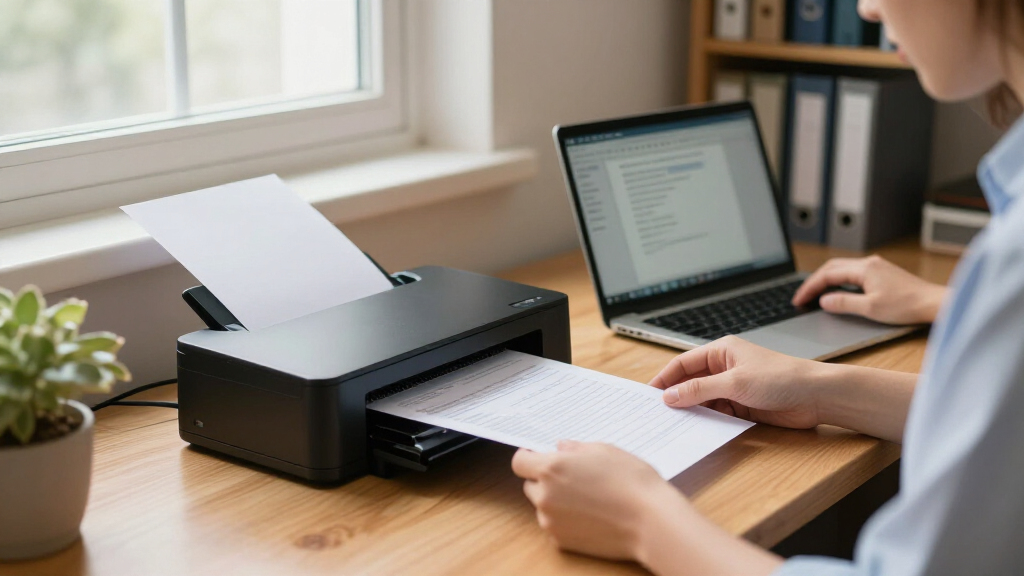
IdeaNavigator AI proposes testing a phone-based document scanner that uses OCR to classify, name and file paperwork for small offices. The proposal recommends a one-week pilot at five offices, but provides no pilot results, accuracy data or evidence of customer demand.
IdeaNavigator AI has proposed a phone-based scanner that would automatically classify, name and file documents for small offices, with a suggested pilot at five organizations to test whether the workflow works. The concept targets nonprofits, clinics and law offices with paper backlogs, but no pilot results, measured accuracy or customer commitments are reported. These details come from IdeaNavigator AI’s published concept outline, which presents the pilot as a recommendation rather than a completed trial.
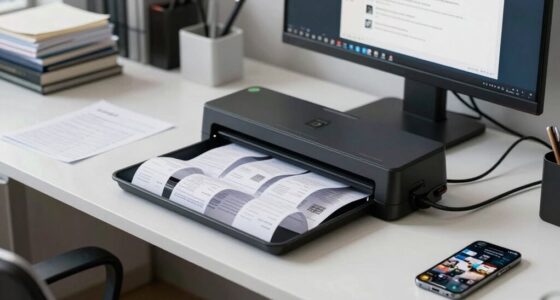
In its concept outline, IdeaNavigator AI describes a minimum product that would let a user photograph a stack of paperwork on a phone. Optical character recognition (OCR) would read the pages, while layout-aware software would suggest a document type and filename—for example, identifying an invoice and including its date and vendor. The app would then save searchable PDFs to a shared folder.
IdeaNavigator AI says the concept addresses a specific operational problem: small offices may keep intake forms, invoices and records in filing cabinets that are difficult to search. The outline contrasts the proposed workflow with generic scanning apps that can create digital images without sorting them, leaving staff to name and organize each file manually. Its effectiveness, however, has not been demonstrated in the material provided.
For validation, IdeaNavigator AI recommends asking five small offices to take part in a one-week trial and scan a real backlog of 200 documents each. The proposed measures are the rate of correct automatic classification and whether offices would pay per seat. These are suggested test conditions, not completed results. The outline also proposes a monthly per-seat subscription with a page limit and extra charges for pages above that cap.
Filing Work Is the Test
For small organizations, the practical value would depend on whether automation saves staff time without creating a new review burden. A scanner that correctly identifies routine paperwork could make records easier to find and reduce repetitive naming and filing. But incorrect labels or extracted details could leave files harder to retrieve, particularly when the documents relate to clients, patients or legal matters.
The proposal’s pilot metrics reflect that trade-off: classification accuracy and willingness to pay both need testing. A product might perform well on a limited set of documents yet struggle with different layouts, handwritten entries, poor image quality or office-specific filing rules. The proposed per-seat pricing and page cap also leave open whether costs would match the volume and budget of a small office.
For readers considering similar tools, the development is a product concept rather than evidence of a new service ready to buy. It identifies a workflow to test, but does not establish that the technology delivers dependable filing or a measurable financial benefit.
As an affiliate, we earn on qualifying purchases.
From Paper Backlogs to Searchable Files
IdeaNavigator AI’s outline focuses on small offices without dedicated IT teams. It argues that OCR available on devices or through application programming interfaces, alongside software that interprets page layout, may make automatic naming and classification affordable enough to test. The outline includes no technical specifications, vendor comparisons, pricing figures or performance benchmarks.
As described by IdeaNavigator AI, the suggested product is deliberately narrow: capture documents with a phone, identify a likely type and key fields, create a searchable PDF, and place it in a shared folder. That scope keeps the idea centered on a common administrative task rather than a broader records-management system. The outline recommends testing real backlogs to assess the workflow on documents offices already need to handle, rather than on prepared examples alone.
IdeaNavigator AI frames the opportunity as a potential subscription product for small organizations. Its outline does not say that a product has been built or released, identify a developer, or describe integration with existing storage, case-management or medical-record systems. The proposed pilot is the next validation step in the concept, not evidence that it has taken place.
automatic document filing software
As an affiliate, we earn on qualifying purchases.
As an affiliate, we earn on qualifying purchases.
Accuracy and Demand Are Unknown
IdeaNavigator AI provides no trial data, so it is not known how often the software could classify documents correctly, extract dates or vendor names, or produce useful filenames. The outline also does not define how accuracy would be measured, what level would be acceptable, or how staff would correct mistakes.
Other unanswered questions include how the app would handle sensitive records, where document images and extracted text would be stored, what security controls would apply, and whether offices could connect the shared folder to systems they already use. IdeaNavigator AI gives no confirmed subscription price, page cap, overage rate, launch date or evidence that the target organizations are willing to pay.
The proposal describes OCR and layout-aware models as sufficiently affordable and accurate to make the concept worth testing. That is IdeaNavigator AI’s rationale for the idea, not a reported result from a named product or completed evaluation.
As an affiliate, we earn on qualifying purchases.
Pilot Would Test the Workflow
IdeaNavigator AI’s proposal sets out a one-week pilot at five offices, with each organization scanning 200 documents from its existing backlog. The proposed trial would assess correct auto-classification and willingness to pay per seat. The outline names no participating offices or start date and reports no pilot outcome.
If such a test proceeds, useful reporting would include the range of document types and conditions tested, the share of files requiring human correction, and how the app handles sensitive records. Until those details and results are available, the scanner remains an unvalidated product opportunity rather than a proven filing solution.
Source: IdeaNavigator AI concept outline
As an affiliate, we earn on qualifying purchases.
Key Questions
Is the auto-filing scanner available now?
IdeaNavigator AI’s outline describes a proposed product concept and a suggested pilot. It does not confirm that an app has been built, released or made available to offices.
How would the proposed scanner work?
According to IdeaNavigator AI’s concept outline, a user would photograph documents with a phone. OCR and layout-aware software would suggest a document category and filename, then save a searchable PDF to a shared folder.
What would the suggested pilot measure?
IdeaNavigator AI proposes a one-week test at five small offices, with each scanning 200 backlog documents. It would measure correct classification and whether offices would pay per seat; the outline reports no results.
How might the service charge customers?
IdeaNavigator AI proposes a monthly subscription priced per seat, with a page-volume cap and additional charges for use above the cap. The outline specifies no actual prices.
What remains unconfirmed?
Product availability, accuracy, security practices, compatibility with existing systems, pricing and customer demand are all unconfirmed. IdeaNavigator AI’s proposal reports no completed testing or participating offices.
Source: IdeaNavigator AI